Jaishankar lists Cabinet nod for ATF fund, highways, NCR fleet
Synopsis
Union External Affairs Minister Dr. S. Jaishankar detailed Union Cabinet approvals chaired by PM Narendra Modi, including a one-time ₹10,000 crore Price Stabilisation Fund for ATF via OMCs, an NCRPB-backed scheme to replace old trucks and buses in Delhi-NCR, a Rameshwar-Paradeep coastal highway in Odisha, and four-lane highway upgrades across Telangana, Madhya Pradesh and Bihar.
Key Takeaways
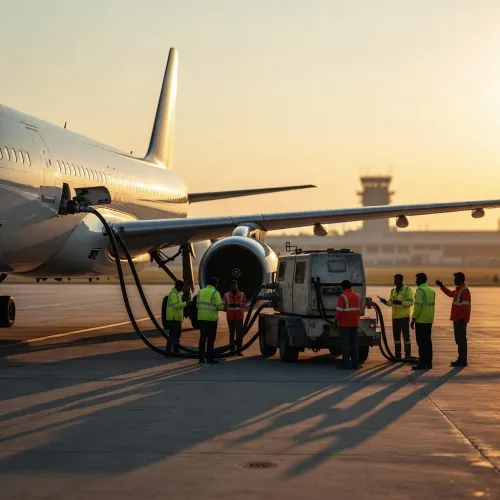
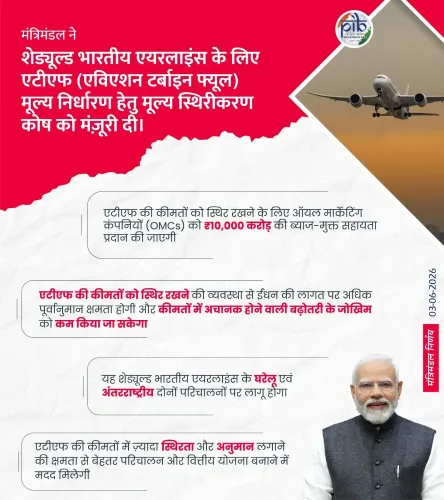
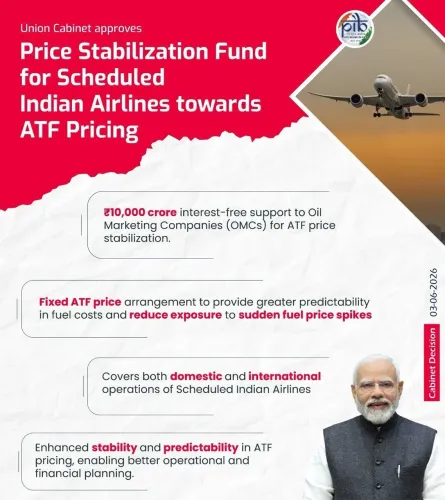
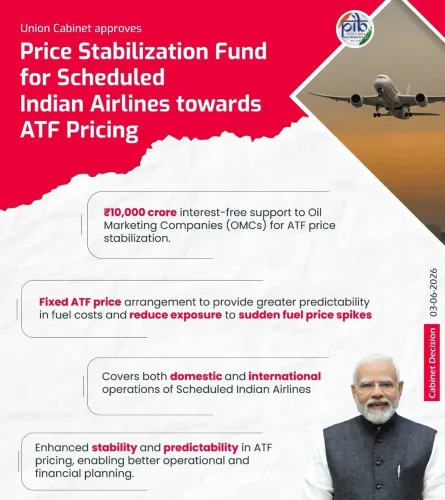
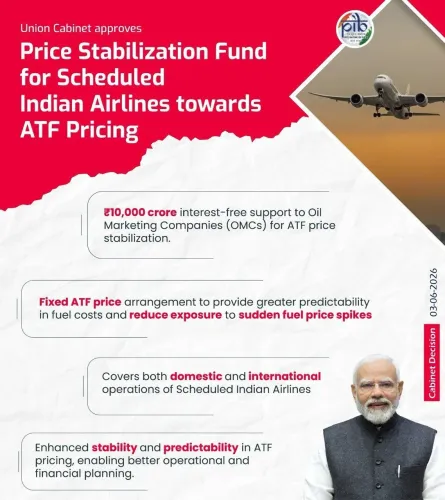
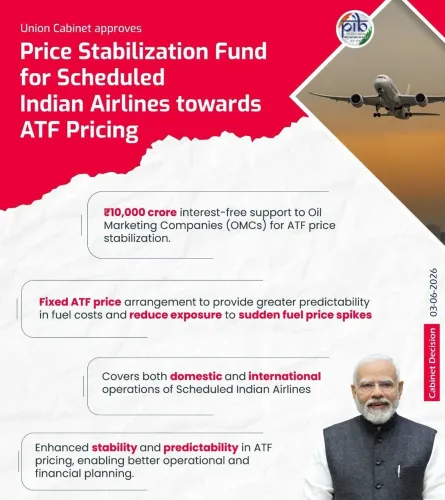
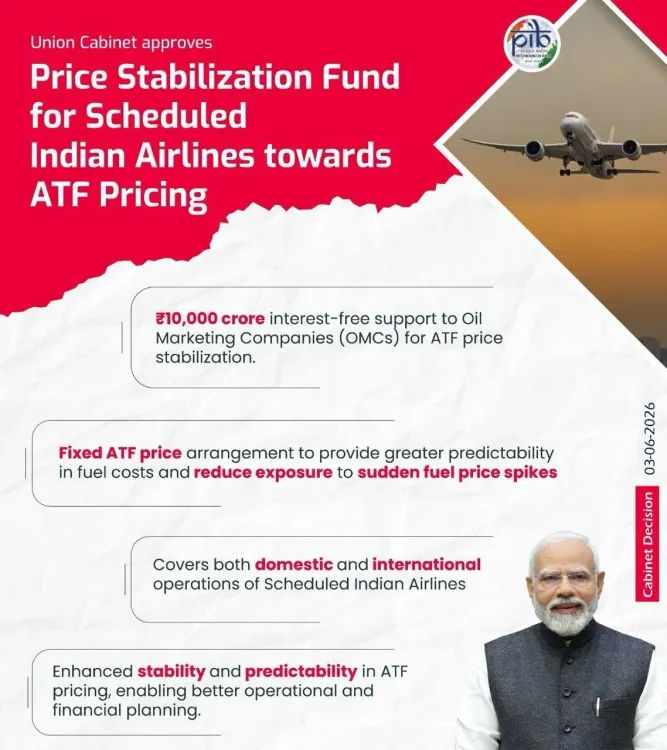
One-time budgetary support not exceeding ₹10,000 crore approved for OMCs to run an ATF Price Stabilisation Fund for Scheduled Indian Airlines.
NCRPB scheme cleared for replacement of old trucks and buses across the Delhi-NCR area to promote clean mobility.
New coastal highway from Rameshwar to Paradeep in Odisha to cut travel time by 2.5 hours .
Four-laning of NH-63 and NH-563 stretches across Nizamabad, Jagtial, Mancherial and Karimnagar in Telangana.
Upgradation and widening of two NH-347B sections in Madhya Pradesh for logistics connectivity.
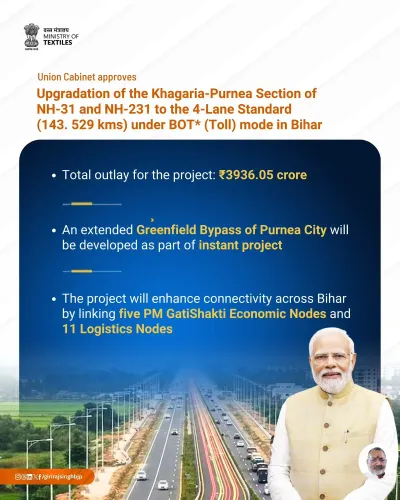
Khagaria-Purnea section of NH-31 and NH-231 in Bihar to be upgraded to four-lane over 143.529 km .
Union External Affairs Minister Dr. S. Jaishankar on Wednesday outlined a sweeping set of Union Cabinet approvals chaired by Prime Minister Narendra Modi, spanning a Price Stabilisation Fund for aviation turbine fuel, a clean-mobility push in Delhi-NCR, and five major national highway and coastal corridor projects across Odisha, Telangana, Madhya Pradesh and Bihar. The post, tagged #CabinetDecisions, framed the package as a coordinated infrastructure and connectivity intervention.
Context
Dr. Jaishankar wrote that 'under the leadership of PM Narendra Modi', the Cabinet cleared a one-time budgetary support not exceeding ₹10,000 crore for Oil Marketing Companies (OMCs) to operate a Price Stabilisation Fund for Scheduled Indian Airlines on ATF pricing. The minister said the move would 'ensure stable airline operations, strengthening integration with global markets and supporting India's economic growth'.
A second decision approved a scheme of support to the National Capital Region Planning Board (NCRPB) for the replacement of old trucks and buses across the Delhi-NCR area, which Dr. Jaishankar described as a step 'promoting clean mobility and ease of living'.
Policy backdrop
The ATF intervention follows earlier central efforts to cushion airlines from fuel-price volatility, with similar consultations between OMCs and carriers having taken place during the pandemic-era aviation stress of 2020-2022. Aviation turbine fuel typically accounts for a large share of airline operating costs, and a stabilisation mechanism through public sector suppliers Indian Oil Corporation, Bharat Petroleum and Hindustan Petroleum would mark a structured fiscal buffer for scheduled domestic carriers.
The NCR fleet-replacement scheme builds on the vehicle scrappage policy notified in 2021, which sought to phase out older polluting commercial vehicles in dense urban clusters. The capital region has consistently recorded among the country's highest particulate pollution levels, and freight and bus fleets remain a significant contributor.
Stakeholders and impact
On highways, Dr. Jaishankar announced approval for a new coastal corridor from Rameshwar to Paradeep in Odisha, which he said would 'reduce travel time by 2.5 hours', easing both passenger and freight movement to the Paradeep port complex. The project aligns with successive coastal connectivity approvals under the Sagarmala umbrella since 2016.
In Telangana, the Cabinet cleared widening of the Armoor-Jagtial-Mancherial section of NH-63 and the Jagtial-Karimnagar section of NH-563 to four-lane standard, covering the districts of Nizamabad, Jagtial, Mancherial and Karimnagar. Madhya Pradesh will see upgradation of the Hiwarkhedi-Roshni-Ashapur-Rudhy section of NH-347B and widening of the Deshgaon-Julwaniya section of NH-347B, aimed at logistics and economic nodes in the state.
Bihar's package covers upgradation of the Khagaria-Purnea section of NH-31 and NH-231 to four-lane standard, spanning 143.529 kilometres. The minister said the stretch would drive 'the region's development and economic prosperity', addressing a long-standing freight bottleneck in north-eastern Bihar.
What's next
Attention will now shift to tender schedules from the National Highways Authority of India for the listed stretches, and to fund-release orders for the Price Stabilisation Fund operated through the OMCs. Implementation timelines for the NCRPB fleet-replacement scheme, including eligibility rules for operators and scrappage incentives, will determine its near-term air-quality impact.
Taken together, the approvals announced by Dr. Jaishankar reinforce a multi-sector infrastructure push that combines fiscal support for aviation, urban clean-mobility measures, and arterial road and coastal corridor expansion across four states — with downstream effects expected on logistics costs, regional growth and connectivity to major ports.
Point of View
Pairing arterial highway expansion with targeted fiscal support for a stressed aviation sector. The choice to route ATF relief through OMCs rather than direct subvention to airlines is notable — it preserves the public-sector balance sheet as the buffer while avoiding direct cash transfers to private carriers. The NCR fleet-replacement scheme also revives the scrappage policy's original air-quality logic, which had lost momentum. Geographic spread across Odisha, Telangana, Madhya Pradesh and Bihar suggests deliberate political and logistical balancing ahead of state-level cycles.
NationPress
18 Oct 2026
Frequently Asked Questions
What is the ATF Price Stabilisation Fund approved by the Cabinet?
It is a one-time budgetary support not exceeding ₹10,000 crore for Oil Marketing Companies to stabilise aviation turbine fuel pricing for Scheduled Indian Airlines, as announced by Dr. S. Jaishankar.
Which highway projects did the Union Cabinet approve?
The Cabinet approved a new Rameshwar-Paradeep coastal highway in Odisha, four-laning of NH-63 and NH-563 stretches in Telangana, upgradation of NH-347B sections in Madhya Pradesh, and four-laning of the Khagaria-Purnea section of NH-31 and NH-231 in Bihar.
What is the NCRPB scheme for trucks and buses?
It is a Cabinet-cleared scheme of support to the National Capital Region Planning Board for replacement of old trucks and buses in the Delhi-NCR area, aimed at promoting clean mobility and ease of living.
How much travel time will the Rameshwar-Paradeep coastal highway save?
According to Dr. Jaishankar, the new coastal highway will reduce travel time by 2.5 hours and ensure safe, fast and uninterrupted connectivity for passenger and freight traffic.
How long is the Khagaria-Purnea highway upgrade in Bihar?
The Khagaria-Purnea section of NH-31 and NH-231 will be upgraded to four-lane standard over 143.529 kilometres in Bihar.