Bhopal gas tragedy: CBI tells court Dow Chemical cannot escape Indian jurisdiction
Synopsis
Four decades after the Bhopal gas disaster, the CBI is now arguing that Dow Chemical — which bought Union Carbide 17 years after the tragedy — cannot use its American address to dodge Indian criminal courts. The jurisdictional fight, backed by a US Department of Justice-served notice that drew no American objection, could set a landmark precedent for holding foreign corporate successors accountable under Indian law.
Key Takeaways
The CBI argued before a Bhopal court on 25 August that criminal jurisdiction is determined by where the offence occurred, not where the accused company is based.
Dow Chemical Company (TDCC-USA) acquired Union Carbide Corporation in 2001 , nearly 17 years after the 1984 Bhopal gas disaster .
The CBI cited Section 177 of the CrPC to assert that the Bhopal court has full territorial jurisdiction over TDCC.
The Bhopal court's notice was served on TDCC via the US Department of Justice , with US authorities raising no objection to Indian jurisdiction.
The Madhya Pradesh High Court in October 2012 left it to the trial court to determine if TDCC could be treated as UCC's representative under Section 305(6) CrPC .
The Bhopal Group for Information and Action (BGIA) will make further submissions on 17 September .
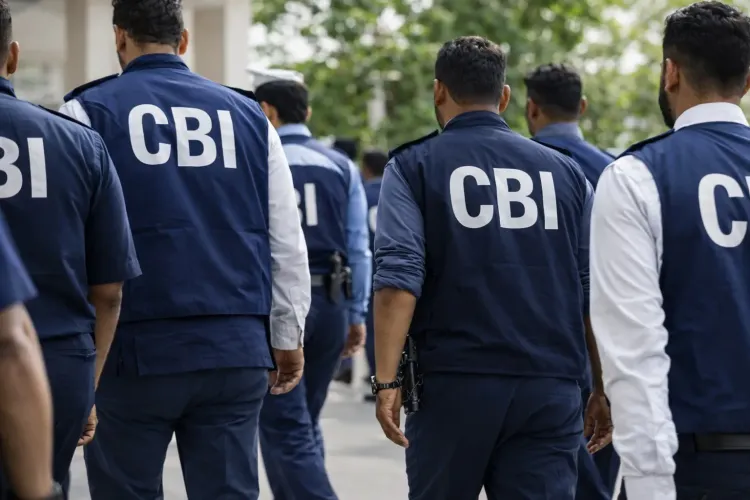
The Central Bureau of Investigation (CBI) on Tuesday, 25 August told a Bhopal court that criminal jurisdiction in the decades-long case against Dow Chemical Company (TDCC-USA) is determined by where the offence occurred — not where the accused company is incorporated. The argument was made before Judicial Magistrate First Class Hemlata Ahirwar during hearings on whether the Bhopal court holds jurisdiction over TDCC, which acquired Union Carbide Corporation (UCC) in 2001, nearly 17 years after the disaster.
The CBI's Core Legal Argument
The CBI anchored its submission in Section 177 of the Code of Criminal Procedure (CrPC), which mandates that an offence is ordinarily to be investigated and tried by a court within whose local jurisdiction it was committed. Since the alleged offence took place at the Union Carbide plant in Bhopal, the agency argued, the Bhopal court is the appropriate forum — regardless of TDCC's US base or its post-disaster acquisition of UCC.
The CBI maintained that the residence or place of incorporation of an accused does not determine territorial jurisdiction when the alleged offence itself occurred within India. This is a significant legal position: it effectively argues that a foreign company cannot use its overseas domicile as a shield against Indian criminal proceedings.
Notice Served Through Official Channels
The agency told the court that procedural requirements for serving notice on a foreign entity had been fulfilled. According to the CBI, the Bhopal court's notice was routed through the Ministry of Home Affairs and served on TDCC by the US Department of Justice. Crucially, the CBI noted that US authorities did not raise objections to Indian jurisdiction while serving the notice — a point the prosecution is likely to press as implicit acknowledgement of the court's reach.
The CBI also cited an October 2012 observation of the Madhya Pradesh High Court regarding the notice issued to TDCC-USA. The High Court had left it to the trial court to determine whether TDCC could be treated as a representative of UCC under Section 305(6) of the CrPC.
Background: The Disaster and Its Legal Trail
On the intervening night of 2 and 3 December 1984, methyl isocyanate leaked from the Union Carbide plant in Bhopal in what remains one of the world's worst industrial disasters. Thousands were killed and a large population was exposed to toxic gas; survivors and victims' families have pursued legal remedies for over four decades.
Union Carbide Corporation and its officials faced criminal proceedings in India. The Supreme Court of India, while dealing with the landmark 1989 settlement between Union Carbide and the government, allowed criminal proceedings to continue — a decision that set the stage for the current jurisdictional dispute over TDCC.
What Happens Next
The Bhopal Group for Information and Action (BGIA), which is assisting the prosecution, is scheduled to make its submissions on 17 September on the jurisdictional issue and TDCC's alleged criminal liability. The court's eventual ruling on jurisdiction will be a pivotal moment — determining whether an overseas successor company can be drawn into Indian criminal proceedings for acts predating its acquisition of the original accused entity.
Point of View
The ruling could establish that a foreign company inheriting a convicted or accused Indian entity also inherits criminal exposure — regardless of when the acquisition occurred. Dow has long maintained it bears no liability for pre-merger Union Carbide acts, a position that has insulated it commercially for over two decades. The silence of US authorities while serving the notice is a detail the prosecution will exploit, but silence is not consent in international legal terms. The deeper question mainstream coverage underplays is whether any conviction, even if secured, can produce meaningful remedy for survivors after 40 years of procedural attrition.
NationPress
10 Oct 2026
Frequently Asked Questions
Why is the CBI arguing that the Bhopal court has jurisdiction over Dow Chemical?
The CBI argues that criminal jurisdiction is determined by where the offence occurred, not where the accused is based. Since the 1984 gas leak happened at the Union Carbide plant in Bhopal, the CBI contends the Bhopal court has full authority under Section 177 of the CrPC to try Dow Chemical, which acquired Union Carbide in 2001.
What is Dow Chemical's connection to the Bhopal gas tragedy?
Dow Chemical Company (TDCC-USA) acquired Union Carbide Corporation in 2001, nearly 17 years after the 1984 Bhopal disaster. The prosecution is seeking to hold TDCC criminally liable as the successor entity to Union Carbide, which faced charges over the gas leak that killed thousands.
How was the Bhopal court's notice served on Dow Chemical in the US?
The notice was routed through India's Ministry of Home Affairs and served on TDCC by the US Department of Justice. The CBI has highlighted that US authorities did not object to Indian jurisdiction while serving the notice.
What did the Madhya Pradesh High Court say about Dow Chemical's jurisdiction?
In October 2012, the Madhya Pradesh High Court observed that it was for the trial court to determine whether TDCC could be treated as a representative of Union Carbide Corporation under Section 305(6) of the CrPC. The jurisdictional question therefore remains open before the Bhopal court.
What happens next in the Bhopal gas tragedy case against Dow Chemical?
The Bhopal Group for Information and Action (BGIA), assisting the prosecution, is scheduled to make submissions on 17 September on the jurisdictional issue and TDCC's alleged criminal liability. The court's ruling on jurisdiction will be a critical milestone in the case.