CM Bhagwant Mann: 14,000 km irrigation pipelines laid in Punjab

Synopsis
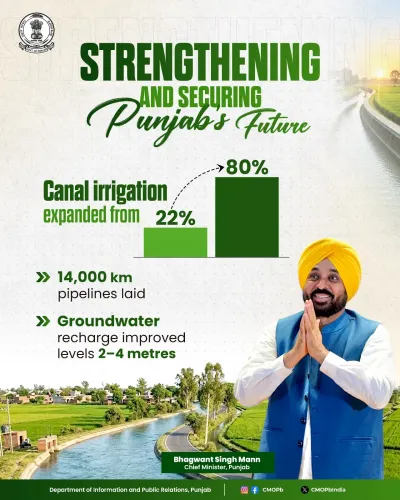
Punjab CM Bhagwant Mann announced that 14,000 km of irrigation pipelines have been laid across the state to improve agricultural water delivery, with another 6,000 km to be added after the harvest season, taking the network toward a 20,000 km target.
Key Takeaways
14,000 kilometres of underground irrigation pipelines have already been laid across Punjab .
CM Bhagwant Mann announced a further 6,000 kilometres of pipelines will be laid after the crop harvest season.
The combined target would create a 20,000-kilometre pipeline irrigation network in the state.
Underground pipelines are designed to cut conveyance losses from seepage, a key cause of water waste in open canal systems.
Punjab faces acute groundwater depletion driven largely by tubewell-dependent paddy cultivation; efficient delivery infrastructure directly addresses this stress.
The post-harvest construction window avoids disruption to standing crops and active irrigation cycles.
Beneath Punjab's farmlands — where groundwater tables have been sinking for decades — 14,000 kilometres of underground irrigation pipelines have now been laid, Chief Minister Bhagwant Mann announced on Friday, 23 October 2026. The scale of that number is worth pausing on: end to end, those pipes would stretch from Amritsar to Tokyo and back, threading water directly to fields that once relied on ageing open channels and energy-hungry tubewells.
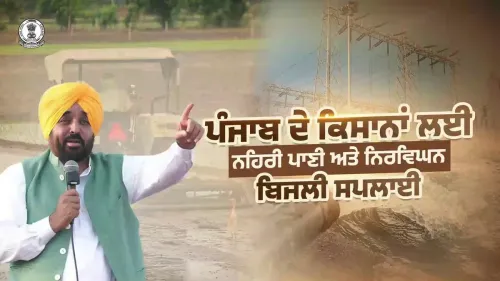
The Chief Minister's Office of Punjab posted the announcement on X, quoting Mann in Punjabi: 'ਫ਼ਸਲਾਂ ਦੀ ਕਟਾਈ ਤੋਂ ਬਾਅਦ 6,000 ਕਿਲੋਮੀਟਰ ਹੋਰ ਪਾਈਪਲਾਈਨਾਂ ਵਿਛਾਉਣ ਦਾ ਕੰਮ ਅੱਗੇ ਵਧਾਇਆ ਜਾਵੇਗਾ' — 'After the harvest, the work of laying 6,000 kilometres more pipelines will be pushed forward.' Together, the completed and planned stretches would take the network to 20,000 kilometres.
Why Punjab's fields needed pipes instead of open channels
Punjab feeds a disproportionate share of India's food reserves, but its agriculture runs on a paradox: the state is water-rich on paper yet facing a water crisis in practice. Open canal networks and unlined field channels lose enormous volumes to seepage before water ever reaches a crop root. Underground pipelines slash those conveyance losses sharply, delivering measured, pressurised water directly to the point of use.
The groundwater depletion problem is particularly acute. Punjab draws heavily on tubewells for kharif paddy, a crop with a notoriously large water footprint. Every litre saved through efficient conveyance is a litre that does not have to be pumped from a retreating aquifer — which also means lower electricity bills for farmers already squeezed by input costs.
Post-harvest window: why the next 6,000 km matter
Timing the second phase after the harvest is a practical engineering call. Active crop fields make large-scale trench-digging and pipe-laying difficult and disruptive. The post-harvest period — typically November through February in Punjab — opens a window when fields lie fallow, giving construction teams access to the land without damaging standing crops or blocking irrigation during the critical growing season.
Successive state governments have attempted piecemeal irrigation upgrades, but Mann's AAP government is framing this as a single, trackable infrastructure drive with public milestones — a political choice as much as an engineering one, designed to make the progress visible to the Punjab farmer who is also a voter.
What farmers and agronomists will be watching
The real test of this infrastructure is not kilometres of pipe but outcomes in the field: measurable reductions in water used per acre, a slowing of groundwater decline in the most stressed districts, and — eventually — a dent in the power subsidy bill the state absorbs to run tubewell pumps. Those numbers will take seasons to surface. For now, 20,000 kilometres is the promise on the table.
Point of View
Mann is attaching a measurable accountability frame to what could otherwise be an invisible underground project. The broader pattern across Indian states is that irrigation efficiency spending tends to be underfunded relative to procurement and subsidy; if Punjab sustains both phases, it would be a meaningful outlier. The real political dividend, however, depends on whether outcome data — water saved, aquifer levels stabilised — eventually backs up the infrastructure numbers.
NationPress
23 Oct 2026
Frequently Asked Questions
How many kilometres of irrigation pipelines has Punjab laid?
Punjab has laid 14,000 kilometres of irrigation pipelines so far, with CM Bhagwant Mann announcing a further 6,000 kilometres to be added after the harvest season.
Why is Punjab building underground irrigation pipelines?
Underground pipelines reduce water loss from seepage that occurs in open canal and field channel systems, delivering water more efficiently to crops and helping address the state's groundwater depletion problem.
When will the next 6,000 km of Punjab pipelines be laid?
CM Mann said the next phase of 6,000 kilometres will be taken up after the crop harvest season, typically the November-to-February fallow window, to avoid disrupting standing crops.
What is Punjab's total irrigation pipeline target?
Based on the announcement, Punjab is on course for a combined network of 20,000 kilometres once the second phase of 6,000 km is completed alongside the existing 14,000 km .
How does the pipeline scheme help Punjab farmers?
By delivering water directly through pipes rather than open channels, farmers receive more water per unit extracted, which can lower electricity costs from reduced tubewell use and slow the decline of groundwater tables.