CM Bhajan Lal inaugurates eco trail under Vande Ganga Abhiyan
Synopsis
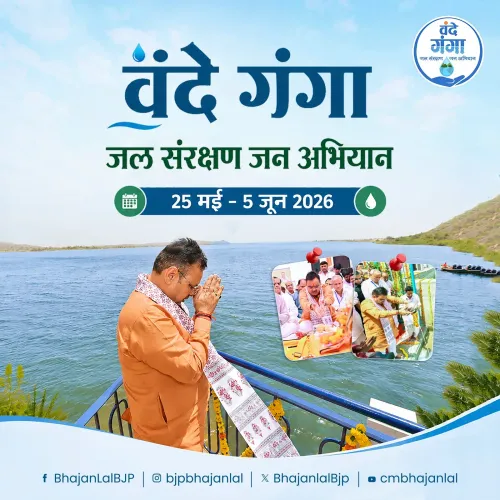
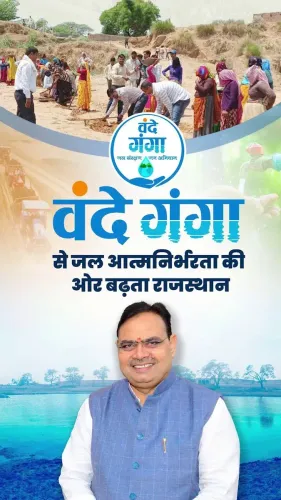
Rajasthan Chief Minister Bhajan Lal Sharma inaugurated a newly constructed eco trail at Neendar Van Kshetra on 29 May 2026 as part of the statewide Vande Ganga Jal Sanrakshan Jan Abhiyan-2026, combining conservation infrastructure with traditional worship to boost public participation in water and forest preservation.
Key Takeaways
CM Bhajan Lal Sharma inaugurated a new eco trail at Neendar Van Kshetra on 29 May 2026 .
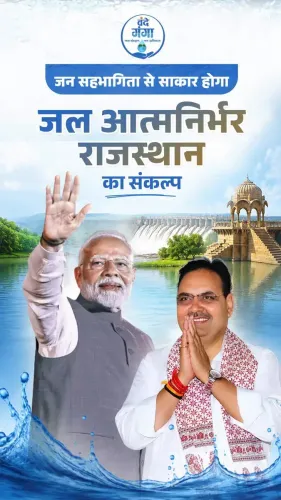
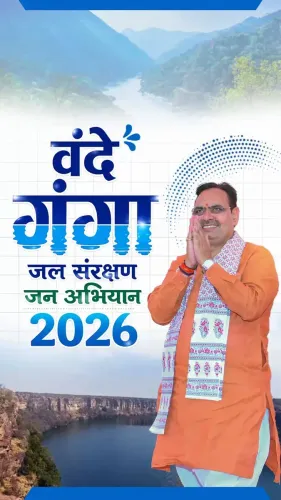
The inauguration was held under the Vande Ganga Jal Sanrakshan Jan Abhiyan-2026 , a statewide water conservation public campaign.
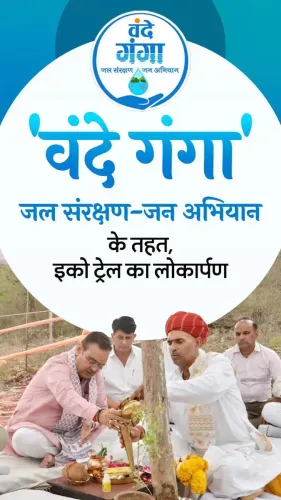
The event included worship of Lord Shiva as Pashupatinatah and a Peepal tree , with prayers for state prosperity.
The campaign builds on Rajasthan's earlier Mukhyamantri Jal Swavalamban Abhiyan launched in 2016 .
Key stakeholders include local communities and the state forest department .
Further eco trail inaugurations across other forest divisions are expected through 2026 .
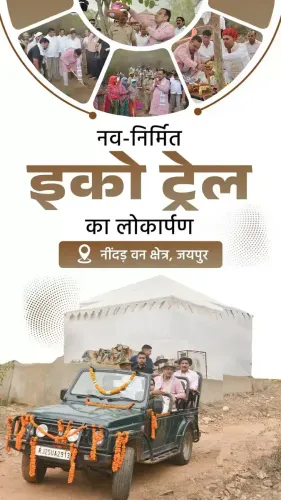
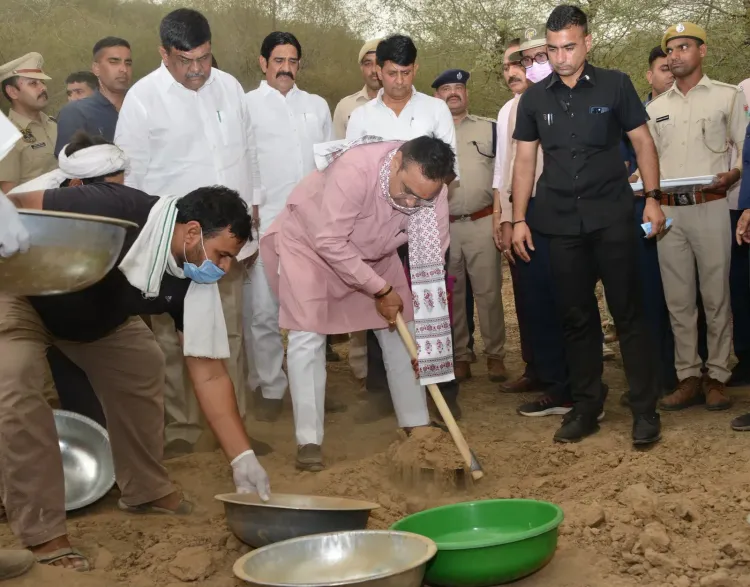
Rajasthan Chief Minister Bhajan Lal Sharma on Friday, 29 May 2026, participated in the statewide Vande Ganga Jal Sanrakshan Jan Abhiyan-2026 by inaugurating a newly constructed eco trail at the Neendar Van Kshetra (Neendar forest area), reinforcing the state government's push to blend conservation infrastructure with public awareness.
Context
Posting on X, CM Sharma wrote: 'Vande Ganga Jal Sanrakshan Jan Abhiyan-2026 ke antargat aaj Neendar Van Kshetra mein sahbhagita kar navnirmit eco trail ka lokarpan kiya' — 'Under the Vande Ganga Water Conservation Public Campaign-2026 being run across the state, today I participated in the Neendar forest area and inaugurated the newly constructed eco trail.' He also noted that on the occasion, Lord Shiva in the form of Pashupatinatah and a Peepal tree were worshipped, with prayers offered for the prosperity of the state.
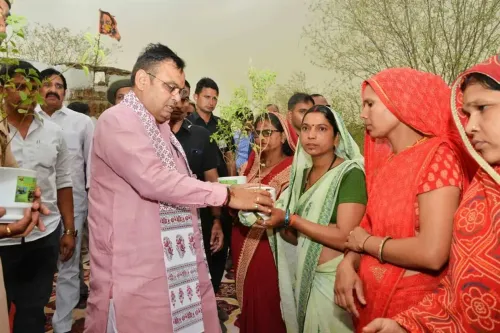
The post was accompanied by four images from the event, capturing the inauguration ceremony and the forested surroundings of the new trail.
Policy Backdrop
The Vande Ganga Jal Sanrakshan Jan Abhiyan-2026 is a statewide public campaign designed to drive community participation in water conservation across Rajasthan. The initiative builds on a long lineage of state-led water programmes, including the Mukhyamantri Jal Swavalamban Abhiyan launched in 2016, which focused on community-built water harvesting structures in rural areas.
Rajasthan's arid geography and persistent groundwater depletion have made water conservation a recurring policy priority across administrations. The current campaign dovetails with national efforts such as the Jal Jeevan Mission, while emphasising state-specific community mobilisation and cultural engagement — as seen in the ritual worship conducted at the Neendar event.
Stakeholders and Impact
The newly inaugurated eco trail at Neendar Van Kshetra is intended to serve local communities and the state's forest department by creating a tangible conservation landmark that encourages public engagement with forest and water ecosystems. Eco trails of this kind are designed to raise awareness among visitors about the interdependence of forest cover and water recharge.
By combining infrastructure development — the trail — with cultural and religious practices such as the worship of the Peepal tree and Lord Shiva as Pashupatinatah, the state government is signalling an approach that roots conservation messaging in community tradition, potentially broadening its reach beyond conventional policy audiences.
What's Next
With the Vande Ganga Jal Sanrakshan Jan Abhiyan running through 2026, further inaugurations of eco trails and conservation infrastructure across other forest divisions of Rajasthan are expected. The state government is also likely to release mid-term progress reports on water conservation outcomes under the abhiyan as the year progresses.
The Neendar inauguration signals that the campaign will continue to use high-visibility events featuring senior leadership to sustain public momentum around Rajasthan's water and forest conservation agenda.
Point of View
Not merely a bureaucratic exercise. By weaving traditional worship into a policy event, the administration is attempting to anchor conservation messaging in cultural legitimacy — a pattern seen in several BJP-governed states seeking broader community buy-in. The Vande Ganga Abhiyan-2026 also positions Rajasthan as a proactive partner in the Centre's Jal Jeevan Mission narrative ahead of the campaign's mid-year review. Whether the eco trail model scales to measurably improve water conservation outcomes will be the harder test this initiative must eventually answer.
NationPress
20 Oct 2026
Frequently Asked Questions
What is the Vande Ganga Jal Sanrakshan Jan Abhiyan-2026?
The Vande Ganga Jal Sanrakshan Jan Abhiyan-2026 is a statewide water conservation public campaign run by the Rajasthan government to encourage community participation in protecting and conserving water resources across the state through 2026.
Where is Neendar Van Kshetra?
Neendar Van Kshetra is a forest area in Rajasthan where the state government has developed eco-tourism and conservation infrastructure, including the newly inaugurated eco trail, as part of its environmental awareness initiatives.
What did CM Bhajan Lal Sharma do at the Neendar eco trail inauguration?
CM Bhajan Lal Sharma inaugurated the newly constructed eco trail at Neendar Van Kshetra and participated in the worship of Lord Shiva as Pashupatinatah and a Peepal tree, offering prayers for the prosperity of Rajasthan.
What is Rajasthan's history with water conservation campaigns?
Rajasthan has a long history of water conservation efforts due to its arid climate. A notable earlier initiative was the Mukhyamantri Jal Swavalamban Abhiyan launched in 2016, which promoted community-built water harvesting structures in rural areas.
How does the Vande Ganga Abhiyan relate to national water schemes?
The Vande Ganga Jal Sanrakshan Jan Abhiyan-2026 aligns with the national Jal Jeevan Mission by promoting water security at the state level, while emphasising Rajasthan-specific community campaigns and cultural engagement to drive local participation.