CM Bhajanlal Inaugurates Eco-Trail Under Vande Ganga Abhiyan
Synopsis
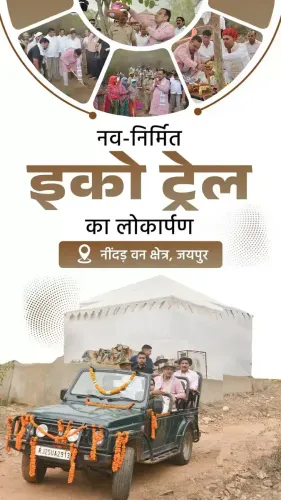
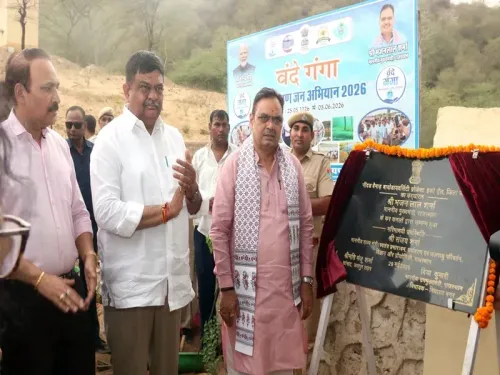
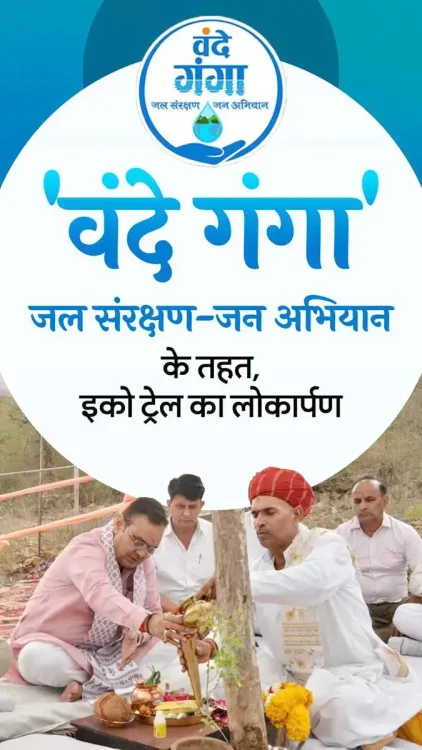
Chief Minister Bhajanlal Sharma inaugurated a new eco-trail at Neendar forest on 30 May 2026 under the state-wide Vande Ganga Jal Sanrakshan-Jan Abhiyan-2026. He performed puja of Lord Shiva and a peepal tree, carried out shramdan, and placed water pots on trees for birds, blending cultural symbolism with ecological action.
Key Takeaways
CM Bhajanlal Sharma inaugurated a newly constructed eco-trail at the Neendar forest area on 30 May 2026 .
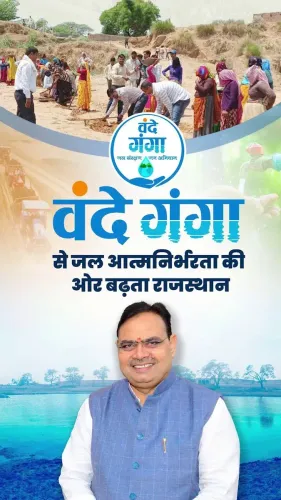
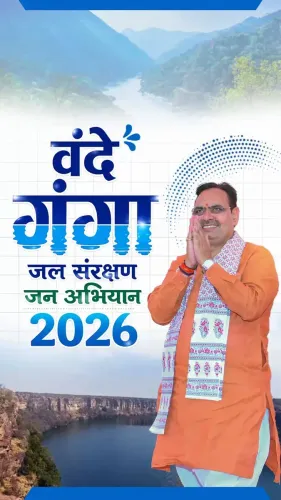
The event was part of the state-wide Vande Ganga Jal Sanrakshan-Jan Abhiyan-2026 water conservation campaign.
The Chief Minister performed puja of Lord Shiva (as Pashupatinatah) and a peepal tree, praying for the state's prosperity.
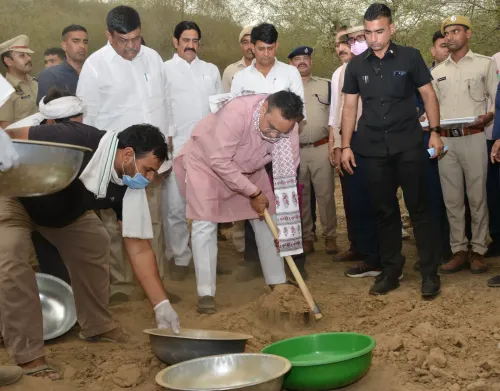
He participated in shramdan (voluntary community labour) within the forest zone.
Earthen water pots ( parinde ) were placed on trees to provide water for birds during summer.
The campaign builds on Rajasthan's earlier Mukhya Mantri Jal Swavalamban Abhiyan (2016) and aligns with the national Jal Jeevan Mission .
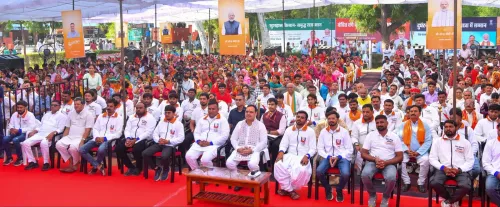
Chief Minister Bhajanlal Sharma of Rajasthan inaugurated a newly constructed eco-trail at the Neendar forest area on Saturday, 30 May 2026, participating in the state-wide Vande Ganga Jal Sanrakshan-Jan Abhiyan-2026 water conservation campaign. The event combined community labour, religious ritual, and ecological action as part of the government's ongoing effort to mobilise public participation in water and forest conservation.
What Happened
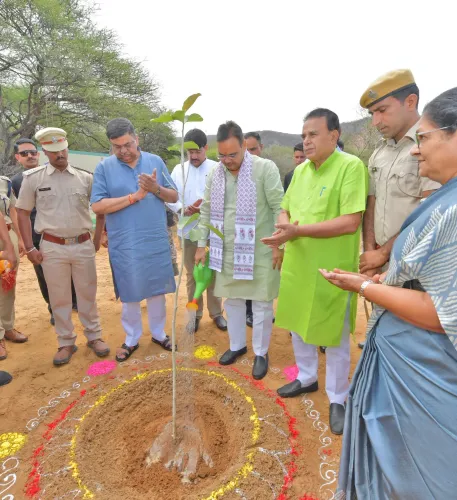
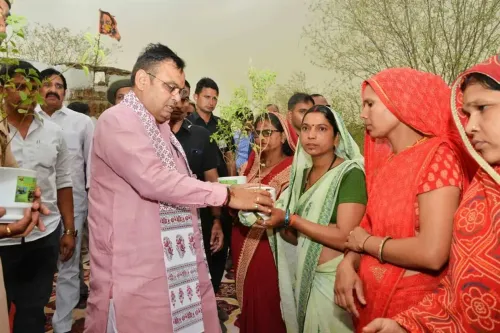
The Chief Minister's Office announced that Sharma took part in the inauguration by performing shramdan (voluntary community labour) within the forest zone. He also performed puja (worship) of Lord Shiva — venerated in the form of Pashupatinatah — and of a sacred peepal tree, offering prayers for the prosperity of the state. In a symbolic gesture for wildlife welfare, he placed parinde (earthen water pots) on trees to provide water for birds during the summer months.
The post stated: 'Mukhyamantri Shri Bhajanlal Sharma ne jal sanrakshan ko lekar, pradeshbhar mein sanchaalit Vande Ganga Jal Sanrakshan-Jan Abhiyan-2026 ke antargat, Neendar van kshetra mein sahbhagita kar navnirmit eco trail ka lokarpan kiya' — ('Chief Minister Shri Bhajanlal Sharma inaugurated the newly constructed eco-trail at the Neendar forest area, participating in the state-wide Vande Ganga Jal Sanrakshan-Jan Abhiyan-2026 water conservation campaign.').
Context
Rajasthan is a semi-arid state that faces chronic water stress, with large tracts vulnerable to drought and groundwater depletion. The state government has historically run successive conservation drives that combine infrastructure creation with community mobilisation to address these challenges. The Vande Ganga Jal Sanrakshan-Jan Abhiyan-2026 is the latest in this lineage, designed to operate across all districts of the state.
The integration of religious symbolism — worship of the peepal tree and Lord Shiva as Pashupatinatah, the 'Lord of all living beings' — is a deliberate strategy to connect conservation messaging with cultural practices that already command community respect and participation.
Policy Backdrop
Rajasthan's water conservation policy has evolved over decades. The Mukhya Mantri Jal Swavalamban Abhiyan, launched in 2016, set an early precedent by promoting rainwater harvesting and groundwater recharge in villages across the state. The current Vande Ganga campaign builds on that framework, extending its scope to include eco-tourism assets such as forest trails alongside traditional water-harvesting structures.
The Neendar eco-trail also aligns with the national Jal Jeevan Mission's broader emphasis on water security, while adding a local dimension by developing forest-based eco-tourism infrastructure that can generate community livelihood alongside conservation outcomes. CM Sharma, who has headed the BJP government in Rajasthan since December 2023, has positioned environment and sustainability programmes as a visible pillar of his administration.
Stakeholders and Impact
The primary beneficiaries of such campaigns are rural communities and farmers who depend on groundwater and seasonal rainfall for agriculture and daily water needs. The placement of water pots for birds, while symbolic, also reflects a broader message about ecosystem interdependence that the campaign seeks to communicate to the public.
Forest communities and local residents near the Neendar van kshetra stand to benefit directly from the new eco-trail, which can support low-impact tourism and create awareness about forest conservation. Community participation through shramdan is intended to build a sense of ownership over conservation assets.
What's Next
The Vande Ganga Jal Sanrakshan-Jan Abhiyan-2026 is described as a state-wide campaign, suggesting that additional eco-trail inaugurations and conservation events are planned across other districts of Rajasthan. District-level groundwater monitoring following the 2026 monsoon will be a key indicator of whether the campaign's on-ground interventions translate into measurable hydrological outcomes. The government's ability to sustain community participation beyond high-profile launch events will determine the programme's long-term effectiveness.
Point of View
Community labour, and ecological messaging — a format that Rajasthan governments have refined over successive conservation campaigns. By personally performing puja and shramdan, CM Sharma signals that water and forest conservation are not merely bureaucratic priorities but cultural obligations, a framing designed to broaden public buy-in beyond policy circles. This approach mirrors a wider BJP governance pattern of embedding state welfare programmes within familiar cultural idioms to lower participation barriers in rural communities. The real test will come in post-monsoon groundwater data and whether the Vande Ganga abhiyan sustains district-level activity beyond the inaugural spectacle.
NationPress
14 Oct 2026
Frequently Asked Questions
What is the Vande Ganga Jal Sanrakshan-Jan Abhiyan-2026?
The Vande Ganga Jal Sanrakshan-Jan Abhiyan-2026 is a state-wide public campaign launched by the Rajasthan government to promote water conservation through community participation, infrastructure creation, and cultural engagement across all districts of the state.
Where is the Neendar eco-trail located?
The Neendar eco-trail is located within the Neendar forest area ( Neendar van kshetra ) in Rajasthan. The trail was newly constructed and inaugurated by CM Bhajanlal Sharma on 30 May 2026 as part of the Vande Ganga campaign.
What did CM Bhajanlal Sharma do at the Neendar forest event?
CM Bhajanlal Sharma inaugurated the new eco-trail, performed puja of Lord Shiva (as Pashupatinatah) and a peepal tree, carried out shramdan (voluntary community labour), and placed earthen water pots on trees to provide water for birds.
What is shramdan and why is it significant in conservation campaigns?
Shramdan refers to voluntary physical labour contributed by individuals for a community cause. In conservation campaigns, it is used to encourage public ownership of environmental assets and to demonstrate that leaders share the same responsibilities as citizens.
How does Rajasthan's Vande Ganga campaign relate to earlier water conservation schemes?
The Vande Ganga Jal Sanrakshan-Jan Abhiyan-2026 builds on the Mukhya Mantri Jal Swavalamban Abhiyan launched in 2016, which focused on rainwater harvesting and groundwater recharge in villages. The current campaign expands the scope to include eco-tourism assets and aligns with the national Jal Jeevan Mission.