CM Bhajanlal Reviews Energy Schemes, Pushes PM Surya Ghar Rollout
Synopsis
Chief Minister Bhajanlal Sharma reviewed Rajasthan's energy department on 8 July 2026, ordering faster rollout of PM Surya Ghar Muft Bijli Yojana, regular Chief Secretary monitoring, and accelerated progress on PM KUSUM, RDSS, battery storage, and the Green Energy Corridor, while stressing monsoon-season electrical safety.
Key Takeaways
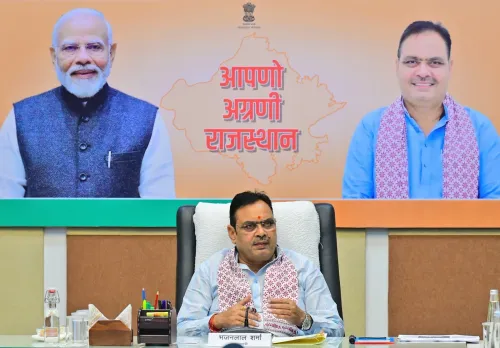
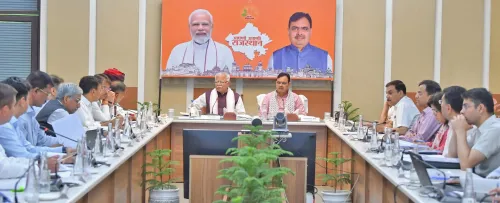
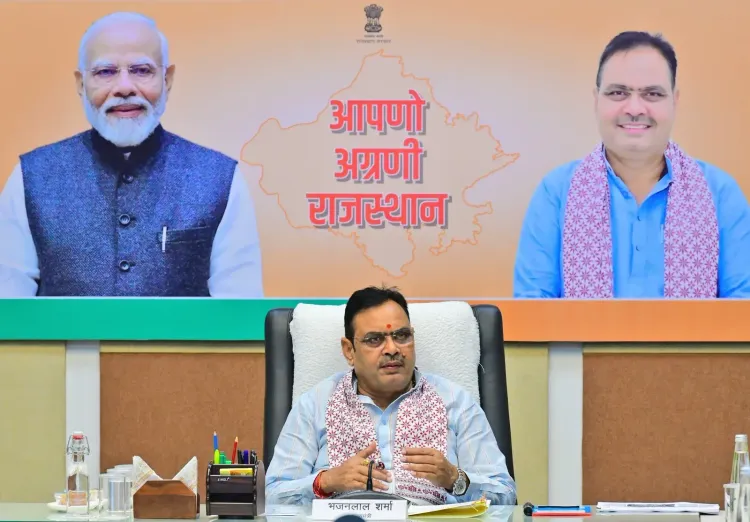
CM Bhajanlal Sharma chaired an energy department review at the Chief Minister's residence on 8 July 2026 .
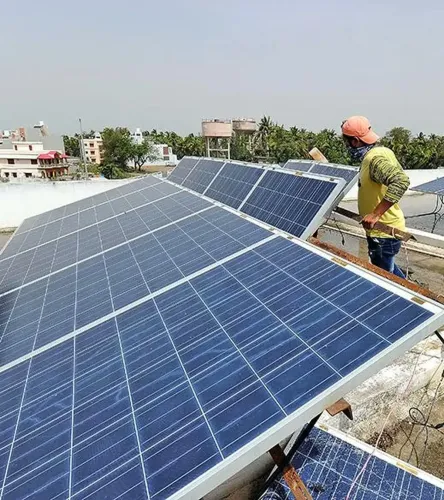
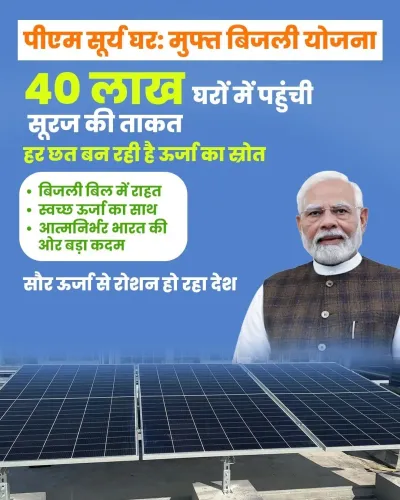
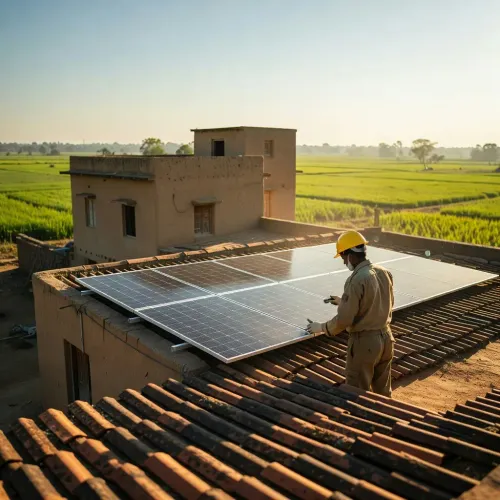
He directed officials to bring 'expected momentum' to the PM Surya Ghar Muft Bijli Yojana , which targets 1 crore rooftop solar installations nationally by 2027 .
The Chief Secretary was specifically tasked with conducting regular monitoring of the rooftop solar scheme.
Reviews also covered PM KUSUM Yojana , RDSS , Battery Energy Storage Systems , and the Green Energy Corridor .
The CM ordered prevention of electrical accidents during the monsoon season and uninterrupted power for domestic consumers, industries, and farmers.
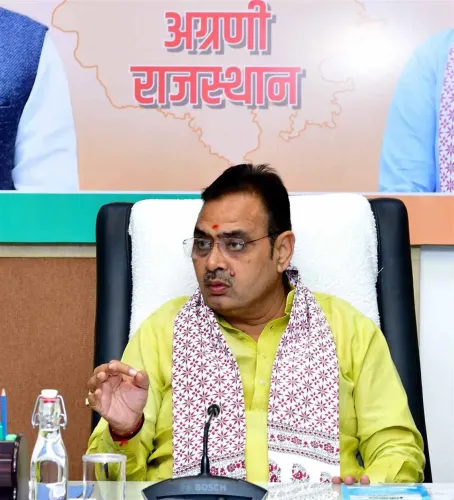
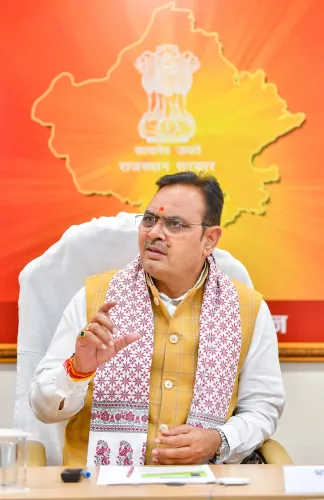
Chief Minister Bhajanlal Sharma chaired a review of Rajasthan's energy department at the Chief Minister's residence on Wednesday, 8 July 2026, directing officials to accelerate implementation of the PM Surya Ghar Muft Bijli Yojana and instructing the Chief Secretary to monitor the scheme's progress on a regular basis.
Context
The Chief Minister's Office of Rajasthan posted on X that CM Sharma called for an 'effective and far-sighted action plan' (prabhavi evam dooragami karya yojana) to achieve the targets set under the rooftop solar scheme. He also reviewed progress on the PM KUSUM Yojana, the Revamped Distribution Sector Scheme (RDSS), Battery Energy Storage Systems (BESS), and the Green Energy Corridor, directing officials to speed up work on all fronts.
The CM additionally stressed that electrical accidents must not occur during the monsoon season and that adequate, uninterrupted power supply must be ensured for domestic consumers, industries, and farmers.
Policy Backdrop
The PM Surya Ghar Muft Bijli Yojana, announced in the 2024 Union Budget, targets 1 crore rooftop solar installations by 2027, providing eligible households up to 300 units of free electricity per month. Rajasthan, one of India's highest solar-irradiance states, is expected to be a key contributor to national targets.
The PM KUSUM Yojana, launched in 2019, promotes solar-powered agricultural pumps to cut diesel dependence and deliver daytime power to farmers. The RDSS, approved in 2021 with a national outlay of Rs 3 lakh crore, aims to modernise distribution companies and reduce aggregate technical and commercial losses. The Green Energy Corridor, initiated in 2015, builds inter-state transmission infrastructure to evacuate renewable power from solar-rich states, including Rajasthan.
Stakeholders and Impact
Domestic consumers stand to benefit from subsidised or free electricity through rooftop solar adoption, while farmers gain from daytime solar pump power under PM KUSUM, reducing their dependence on erratic grid supply and costly diesel. Industries in Rajasthan are expected to benefit from a more reliable grid backed by RDSS investments and battery storage integration.
The monsoon safety directive is particularly significant: the July–September wet season historically sees a spike in electrocution incidents linked to damaged infrastructure and illegal connections. The CM's explicit instruction to prevent electrical accidents signals a public-safety priority alongside the renewable push.
What's Next
The Chief Secretary's mandate to conduct regular monitoring of the PM Surya Ghar scheme suggests that quarterly or monthly progress reports will now be institutionalised at the state's top administrative level. Observers will watch for state-level tenders related to Battery Energy Storage Systems and updates on Green Energy Corridor Phase II commissioning in Rajasthan.
With the state government integrating rooftop solar, agricultural solarisation, grid modernisation, and storage under a unified review framework, Rajasthan's energy transition strategy is moving toward a more coordinated, accountability-driven model — one that will be tested by both monsoon-season reliability demands and long-term renewable capacity targets.
Point of View
PM KUSUM, RDSS, battery storage, and the Green Energy Corridor into a single review, CM Sharma is attempting to project a coherent state-level energy transition narrative rather than scheme-by-scheme implementation. The monsoon safety directive adds a populist, ground-level dimension that resonates with rural and semi-urban voters who face annual disruption. Taken together, this review is as much about political optics — demonstrating governance vigour — as it is about administrative course-correction.
NationPress
8 Jul 2026
Frequently Asked Questions
What is PM Surya Ghar Muft Bijli Yojana and how does it benefit Rajasthan households?
PM Surya Ghar Muft Bijli Yojana is a central government scheme that installs rooftop solar panels and provides eligible households up to 300 units of free electricity per month. Rajasthan, with its high solar irradiance, is a priority state for the scheme's target of 1 crore installations by 2027.
What did CM Bhajanlal Sharma instruct at the energy department review on 8 July 2026?
CM Bhajanlal Sharma directed officials to accelerate PM Surya Ghar Muft Bijli Yojana implementation, tasked the Chief Secretary with regular monitoring, and ordered faster progress on PM KUSUM, RDSS, battery storage, and the Green Energy Corridor. He also stressed preventing monsoon electrical accidents.
What is PM KUSUM Yojana and who benefits from it in Rajasthan?
PM KUSUM Yojana, launched in 2019, solarises agricultural pumps so farmers receive daytime solar-powered irrigation without relying on diesel or erratic grid supply. Rajasthan farmers are among the primary beneficiaries given the state's large agricultural sector and solar potential.
What is the RDSS scheme reviewed by CM Bhajanlal Sharma?
RDSS stands for the Revamped Distribution Sector Scheme, approved in 2021 with a Rs 3 lakh crore national outlay. It modernises electricity distribution infrastructure, reduces technical and commercial losses, and improves supply reliability for consumers across states including Rajasthan.
Why did Rajasthan CM warn about monsoon electrical accidents?
The July–September monsoon season historically sees a rise in electrocution incidents in Rajasthan due to damaged infrastructure and exposed wiring. CM Sharma's directive to prevent electrical accidents during this period is aimed at protecting domestic consumers, farmers, and industrial workers.