CM Samrat Choudhary Cites India's Startup Surge at Bloomberg Forum
Synopsis
Bihar CM Samrat Choudhary quoted PM Modi's Bloomberg New Economy Forum remarks highlighting India's startup explosion — from under 100 pre-2014 to over 2.5 lakh today, with nearly half from small towns and 45% having a woman director.
Key Takeaways
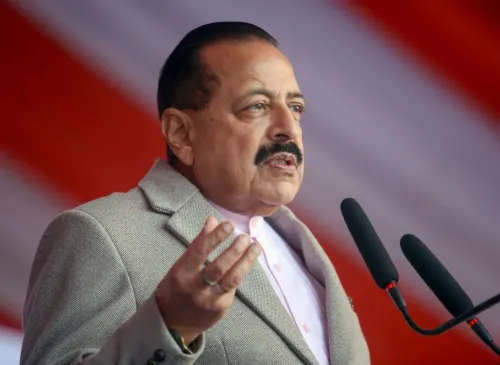
Bihar Chief Minister Samrat Choudhary shared PM Narendra Modi 's remarks from the Bloomberg New Economy Forum on 13 October 2026 .
India's startup count has reportedly grown from fewer than 100 before 2014 to over 2.5 lakh today.
Nearly half of all startups now originate from small towns and tier-2 cities, reflecting a geographic shift in innovation.
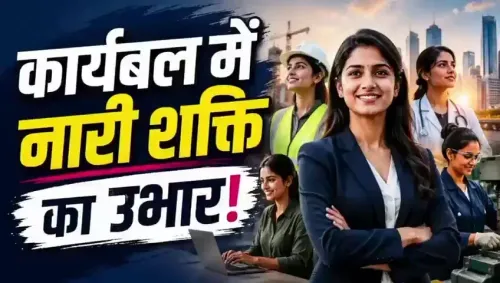
45 percent of startups are said to have at least one woman director or partner.
The Startup India initiative, launched in 2016 , has been the central policy driver behind startup ecosystem expansion.
Next DPIIT recognition data releases will be key to independently verifying the cited figures.
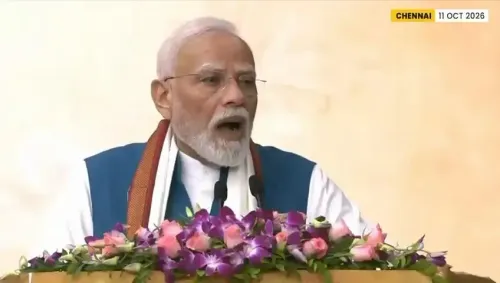
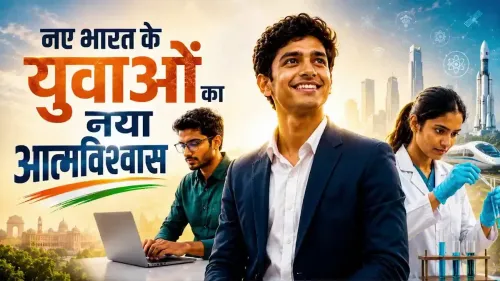
From fewer than a hundred ventures to a quarter-million strong — Bihar Chief Minister Samrat Choudhary on Tuesday, 13 October 2026 shared a striking snapshot of India's startup transformation, quoting Prime Minister Narendra Modi's remarks at the #BloombergNewEconomyForum. The numbers tell a story of momentum that stretches far beyond Silicon Valley-style tech hubs.
Sharing Modi's statement, Choudhary posted: '2014 से पहले भारत में कुछ 100 स्टार्टअप ही हुआ करते थे, अब देश में इनकी संख्या 2.5 लाख से अधिक हो चुकी है' — translating to: 'Before 2014, India had only around 100 startups; today that number has crossed 2.5 lakh.' The post adds that nearly half of all startups now originate from small towns and tier-2 cities, and that 45 percent have at least one woman director or partner.
Small Towns, Big Stakes: The Geography of India's Startup Boom
The detail that roughly half of India's new ventures are rooted outside major metros is arguably the most consequential line in the post. For years, the startup conversation was essentially a story about Bengaluru, Delhi-NCR, and Mumbai. The pivot to smaller cities — driven by cheaper infrastructure, rising smartphone penetration, and local problem-solving — signals a structural shift, not a seasonal spike.
This geography matters for Bihar specifically. The state, long associated with agrarian challenges rather than tech clusters, now has a political stake in the national startup narrative — and Choudhary's amplification of these figures is a deliberate signal about where the next wave of founders could come from.
Women at the Table: The 45% Director Figure
The claim that 45 percent of startups have a woman director or partner is framed by Modi — and relayed by Choudhary — as evidence of inclusive innovation rather than tokenism. Whether as co-founders, directors, or operational partners, women's growing footprint in startup leadership represents a notable divergence from traditional corporate India, where boardroom gender gaps remain a live policy debate.
The Startup India initiative, launched in 2016 under the Department for Promotion of Industry and Internal Trade (DPIIT), has been the policy engine behind much of this growth — offering tax incentives, simplified compliance windows, and access to government-backed funding. Since its launch, the number of DPIIT-recognised startups has climbed steadily, making India the third-largest startup ecosystem globally by most rankings.
A Forum, A Framing, A Political Signal
The choice of the Bloomberg New Economy Forum as the venue for these remarks — and Choudhary's swift relay of them — is not incidental. The forum draws global investors, policymakers, and business leaders, making it a high-visibility stage for projecting India's economic credentials outward. Citing grassroots innovation and female leadership in that setting is a deliberate exercise in narrative architecture: India as an inclusive, decentralised growth story, not just a top-line GDP headline.
The numbers cited remain subject to official DPIIT verification in upcoming data releases, but the directional story — rapid startup proliferation, geographic dispersal, and rising female participation — aligns with the broader trajectory documented since the programme's launch.
The real test of that story will come not in forum speeches but in the next round of DPIIT recognition data — and whether India's small-town founders are building companies that last.
Point of View
If borne out by DPIIT data, would represent a significant counter-narrative to persistent gender-gap concerns in Indian boardrooms. Ultimately, the post is as much about projecting a vision of what India's next growth chapter looks like as it is about celebrating numbers already on the board.
NationPress
13 Oct 2026
Frequently Asked Questions
How many startups are there in India in 2026?
According to PM Modi's remarks cited by Bihar CM Samrat Choudhary at the Bloomberg New Economy Forum, India now has more than 2.5 lakh (250,000) startups, up from fewer than 100 before 2014. Official DPIIT figures are the authoritative source for verified counts.
What is the Startup India scheme?
Startup India is a central government initiative launched in 2016 under the Department for Promotion of Industry and Internal Trade (DPIIT). It offers tax incentives, simplified compliance, and funding support to recognised startups to foster entrepreneurship across India.
What percentage of Indian startups have women directors?
PM Modi, as quoted by Bihar CM Choudhary, stated that 45 percent of Indian startups have at least one woman director or partner, indicating growing female leadership in the startup ecosystem.
Are Indian startups growing outside metro cities?
Yes. According to the figures shared, nearly half of India's startups now originate from small towns and tier-2 cities, reflecting a significant geographic diversification beyond traditional hubs like Bengaluru, Delhi-NCR, and Mumbai.
Why did Bihar CM Samrat Choudhary post about startups?
Choudhary shared PM Narendra Modi 's remarks from the Bloomberg New Economy Forum to highlight India's startup growth story, with particular relevance for Bihar as the state seeks to signal its potential as an emerging innovation hub.