CM Conrad Sangma Regularises 26 More Ad Hoc Employees
Synopsis
Meghalaya Chief Minister Conrad Sangma announced the cabinet has approved regularisation of 26 ad hoc employees in the fifth such batch under a Supreme Court ruling, bringing the cumulative total of beneficiaries to nearly 4,000 state government workers.
Key Takeaways
The Meghalaya Cabinet approved regularisation of 26 ad hoc employees appointed against sanctioned posts before the cut-off date of 31st December .
This is the fifth batch of regularisation carried out by the state in compliance with a Supreme Court of India ruling.
Cumulatively, nearly 4,000 Meghalaya state government employees have been regularised through this process over the past few years.
The latest batch specifically covers workers who had been left out of earlier rounds despite meeting the eligibility criteria.
The regularisation converts ad hoc appointees to permanent status, granting them pay-scale parity, pension security, and protection from arbitrary removal.
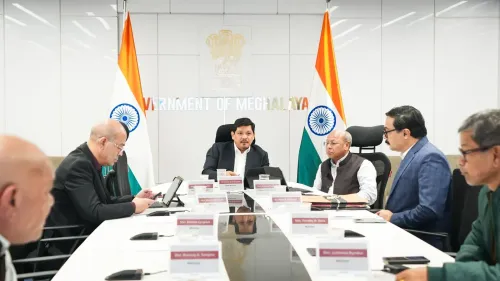
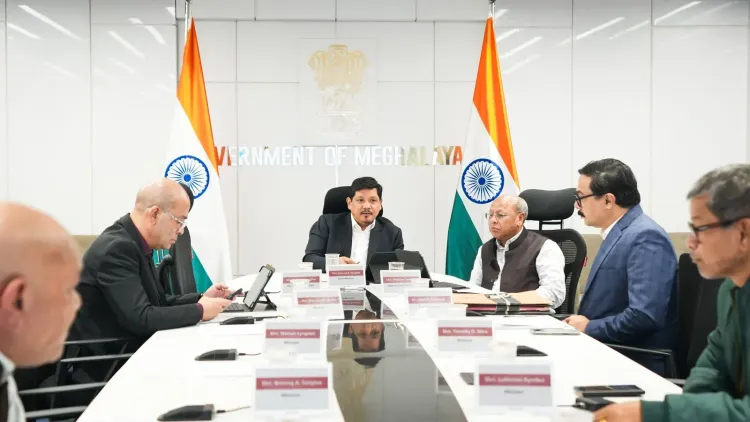
Five batches in, and Meghalaya is still closing the gaps. Meghalaya Chief Minister Conrad Sangma announced on Tuesday, October 13, 2026 that the state cabinet has approved the regularisation of 26 employees who were appointed on an ad hoc basis against sanctioned posts before the cut-off date of 31st December — ensuring that workers who had slipped through earlier rounds are finally brought into the fold.
Posting on X, CM Sangma confirmed that this is the fifth batch of regularisation carried out in compliance with a ruling of the Hon'ble Supreme Court of India. 'Over the past few years, nearly 4,000 employees have benefited from this process,' he wrote, adding that the latest decision ensures the 26 remaining employees 'who were left out are also covered.'
Five Batches, Nearly 4,000 Workers Covered
The scale of what Meghalaya has done quietly — batch by batch — is worth pausing on. Regularising close to 4,000 ad hoc state government employees over successive rounds means thousands of workers previously denied job security and equal pay protections now hold permanent status. The process is rooted in Supreme Court directives that have pushed several Indian states to address the long-standing anomaly of employees performing regular duties on temporary appointments for extended periods.
Each batch has required a fresh cabinet decision, meaning the Meghalaya Cabinet has returned to this commitment multiple times rather than treating it as a one-off compliance exercise. The fifth batch, covering 26 employees, is smaller in number — but for the individuals involved, the difference between ad hoc and regular service means pension security, pay-scale parity, and protection from arbitrary removal.
What the Supreme Court Mandate Means on the Ground
India's higher courts have repeatedly flagged the exploitation embedded in prolonged ad hoc appointments — workers doing the same jobs as permanent colleagues, often for years, without equivalent benefits. The Supreme Court of India's ruling that several states have acted upon sets a clear expectation: if an employee was appointed against a sanctioned post before a defined cut-off, the state cannot indefinitely defer regularisation.
Meghalaya's phased approach — processing employees in identifiable batches rather than one sweeping order — reflects both the administrative complexity of auditing historical appointments and the political will to see the process through. The fact that a fifth batch was needed at all signals the rigour of the audit: even after 4,000 regularisations, officials went back and found 26 more who qualified but had been missed.
With the fifth batch now approved, the question is whether any further qualifying employees remain — and how quickly the formal notifications will reach the 26 newest beneficiaries. For a government committed to compliance, the real test is always in the paperwork that follows the cabinet room.
Point of View
Each cabinet-level batch is also a political signal — that the NPP-led government completes court-mandated obligations rather than letting them stall in bureaucratic limbo. The diminishing batch size, from thousands in earlier rounds to just 26 now, suggests the audit is maturing and nearing completion, which is itself an administrative achievement. Whether Meghalaya formally closes the chapter or leaves room for a sixth batch will be the clearest measure of how thoroughly the state has honoured the court's intent.
NationPress
13 Oct 2026
Frequently Asked Questions
What is the Meghalaya ad hoc employee regularisation about?
The Meghalaya government has been regularising state employees who were appointed on an ad hoc basis against sanctioned posts before a fixed cut-off date, in compliance with a Supreme Court of India ruling. The fifth batch, announced in October 2026, covers 26 employees.
How many employees have been regularised in Meghalaya so far?
Nearly 4,000 employees have been regularised across five batches over the past few years, with the latest cabinet decision adding 26 more who had been left out of earlier rounds.
What does regularisation mean for ad hoc employees?
Regularisation converts a temporary or ad hoc appointment into a permanent one, entitling the employee to full pay-scale parity, pension benefits, and protection against arbitrary dismissal.
Why did Meghalaya need a fifth batch of regularisations?
Even after processing thousands of employees in earlier batches, a review found 26 more workers who met the eligibility criteria — appointed against sanctioned posts before the cut-off — but had been missed. The fifth batch covers these remaining employees.
What Supreme Court ruling is Meghalaya following on employee regularisation?
The Meghalaya Cabinet has cited a ruling of the Hon'ble Supreme Court of India that directed states to regularise employees serving on an ad hoc basis against sanctioned posts beyond a defined cut-off period. Several Indian states have undertaken similar phased compliance exercises.