CM Dhami Highlights Asia's Longest Wildlife Corridor on Delhi-Dehradun Expressway
Synopsis
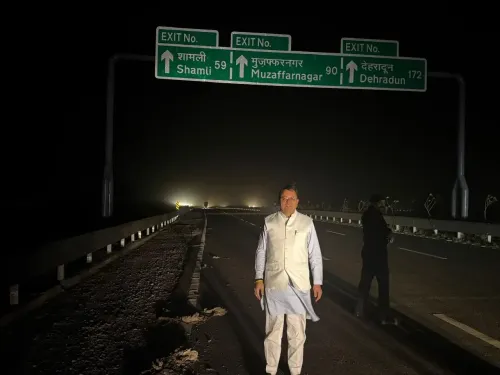
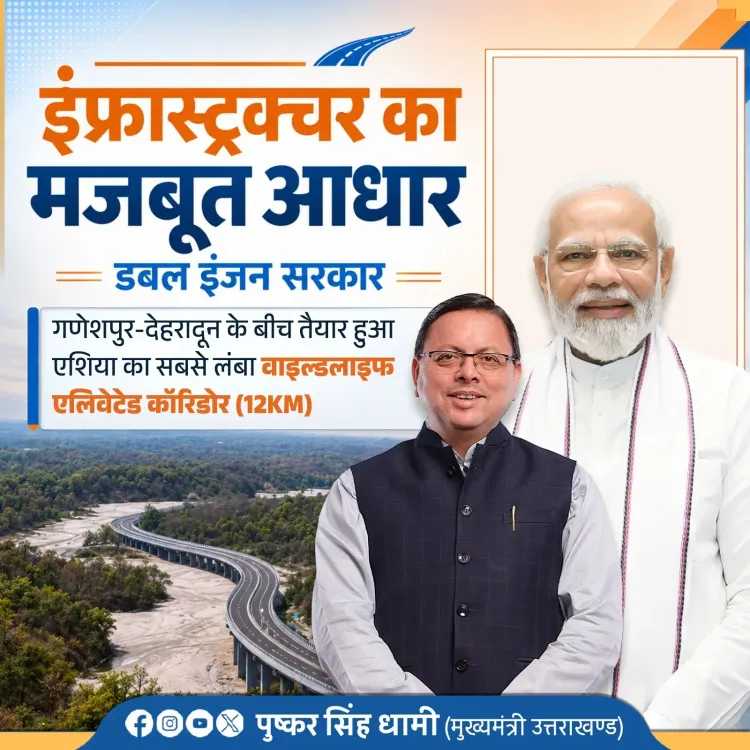
Uttarakhand CM Pushkar Singh Dhami on 11 June 2026 spotlighted a 12-km elevated wildlife corridor on the Delhi-Dehradun Expressway's Ganeshpur-Dehradun section, calling it Asia's longest and a prime example of balancing ecology with economic development under PM Modi's Bharatmala push.
Key Takeaways
CM Pushkar Singh Dhami highlighted the project on 11 June 2026 , crediting PM Narendra Modi's leadership for its progress.
The elevated wildlife corridor on the Ganeshpur-Dehradun section is described as 12 kilometres long and claimed to be Asia's longest of its kind.
The corridor is part of the Delhi-Dehradun Expressway , a flagship project under the Bharatmala Pariyojana launched in 2015 .
The design allows wildlife to move freely beneath the elevated road, reducing habitat fragmentation and human-animal conflict.
The expressway is expected to make travel between Delhi and Dehradun safer, faster, and more reliable for commuters and residents.
India has been integrating similar eco-sensitive elevated sections into highway projects across ecologically sensitive states including Rajasthan and Madhya Pradesh .
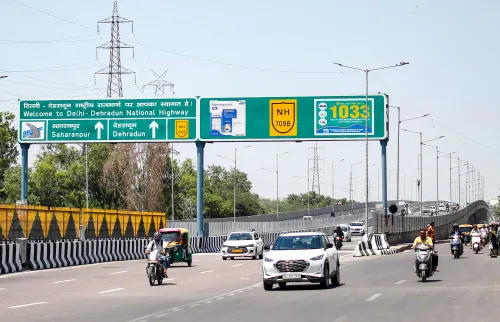
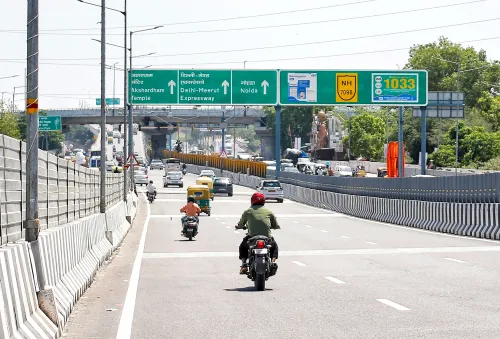
Uttarakhand Chief Minister Pushkar Singh Dhami on Thursday, 11 June 2026, highlighted the construction of what is described as Asia's longest wildlife elevated corridor on the Ganeshpur-Dehradun section of the Delhi-Dehradun Expressway, calling it a model of balancing ecology with economic development under the leadership of Prime Minister Narendra Modi.
Context
In his post, CM Dhami stated — 'इकोलॉजी और इकॉनमी के समन्वय का उत्कृष्ट उदाहरण' ['an outstanding example of coordination between ecology and economy'] — underlining that the 12-kilometre elevated wildlife corridor on the expressway is designed to protect the movement of wildlife while simultaneously improving road connectivity for commuters. He credited the project's momentum to Prime Minister Modi's 'able leadership.'
The corridor forms part of the broader Delhi-Dehradun Expressway project, a flagship initiative aimed at drastically cutting travel time between the national capital and the Uttarakhand state capital, Dehradun.
Policy Backdrop
The Delhi-Dehradun Expressway is part of the Bharatmala Pariyojana, launched in 2015, which identified this corridor as a priority route for improving hill-state connectivity. The scheme is implemented by the National Highways Authority of India (NHAI) and represents one of the most ecologically sensitive highway alignments in the country, passing through forested stretches in the Shivalik range.
India has increasingly embedded wildlife passages and elevated sections into expressway design in ecologically sensitive zones, with the aim of reducing habitat fragmentation and minimising human-animal conflict. Similar elevated stretches have been built on forest-passing highways in states such as Rajasthan and Madhya Pradesh, and the approach is now being applied at greater scale in the Himalayan region.
The project reflects a wider policy push by the central government to reconcile infrastructure expansion in the Himalayan states with environmental obligations, particularly given the region's biodiversity sensitivity and its status under various wildlife protection frameworks.
Stakeholders and Impact
For Uttarakhand residents and highway users, the expressway promises safer, smoother, and faster travel between Delhi and Dehradun, reducing a journey that currently takes several hours. The elevated corridor design means vehicles pass above the forest floor, allowing wildlife — including elephants and other large mammals known to inhabit the Rajaji belt — to move freely beneath without obstruction.
Conservationists and wildlife managers stand to benefit from reduced roadkill incidents and uninterrupted animal movement across what has historically been a fragmented corridor. Local communities along the route are also expected to see improved access to markets, healthcare, and emergency services once the expressway is fully operational.
What's Next
Attention will now turn to the full commissioning of the remaining sections of the Delhi-Dehradun Expressway and any subsequent announcements from NHAI or the Uttarakhand government regarding additional wildlife crossings or eco-sensitive design features on future highway projects in the state. As the Bharatmala programme continues to roll out across the Himalayan belt, the Ganeshpur-Dehradun corridor is likely to serve as a reference model for integrating environmental safeguards into large-scale road infrastructure.
Point of View
The messaging attempts to neutralise environmental criticism that has historically dogged large highway projects in the Himalayan region. The elevated wildlife corridor, if it performs as designed, would represent a meaningful shift in how India approaches biodiversity-sensitive infrastructure — moving from mitigation as an afterthought to integration at the design stage. Whether the Ganeshpur-Dehradun model is replicated systematically or remains a showcase project will be the real test of the policy's depth.
NationPress
26 Oct 2026
Frequently Asked Questions
What is the Delhi-Dehradun Expressway wildlife corridor?
It is a 12-kilometre elevated road section on the Ganeshpur-Dehradun stretch of the Delhi-Dehradun Expressway that allows vehicles to pass above forested land, enabling wildlife to move freely on the ground beneath without obstruction.
Why is the Delhi-Dehradun Expressway significant for Uttarakhand?
The expressway, part of the Bharatmala Pariyojana , is designed to significantly cut travel time between Delhi and Dehradun , improving connectivity for residents, tourists, and emergency services in the hill state.
What is Bharatmala Pariyojana?
Bharatmala Pariyojana is a centrally sponsored highway development programme launched in 2015 that prioritises key national corridors, including the Delhi-Dehradun route, to improve road connectivity across India.
How does the elevated wildlife corridor protect animals?
By raising the road above the forest floor, the corridor allows wildlife — including large mammals — to move freely beneath the expressway, reducing habitat fragmentation, roadkill incidents, and human-animal conflict in ecologically sensitive zones.
What did CM Dhami say about the expressway project?
CM Pushkar Singh Dhami described the wildlife corridor as an 'outstanding example of coordination between ecology and economy,' crediting PM Narendra Modi's leadership for the project's progress in building modern, environmentally sensitive infrastructure in Uttarakhand.