CM Dhami Backs Exam Anti-Cheat Bill in Lok Sabha
Synopsis
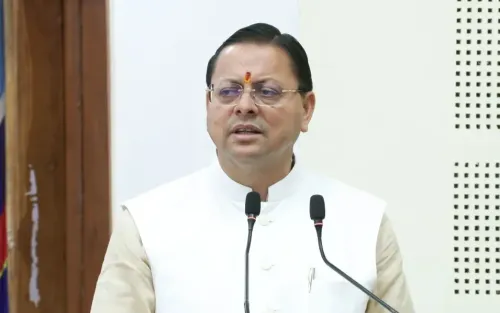
Uttarakhand Chief Minister Pushkar Singh Dhami on 27 July 2026 backed the Public Examinations (Prevention of Unfair Means) Amendment Bill, 2026 tabled in Lok Sabha, praising PM Modi's government for targeting exam mafias, paper leak gangs, and organised cheating to protect crores of student aspirants.
Key Takeaways
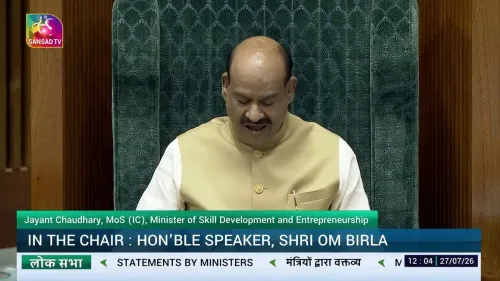
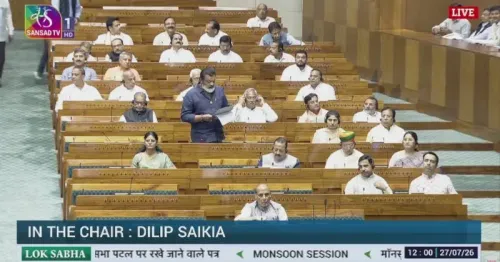
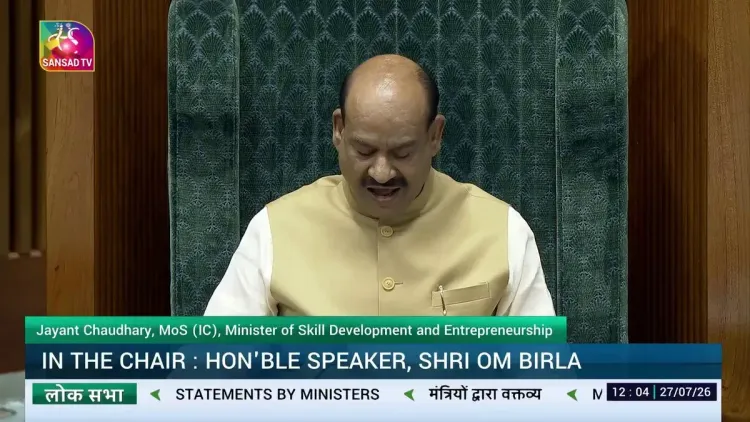
The Public Examinations (Prevention of Unfair Means) Amendment Bill, 2026 was introduced in Lok Sabha during the Monsoon Session 2026 .
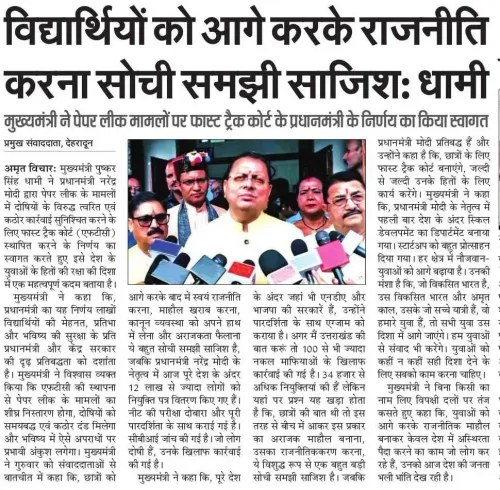
CM Pushkar Singh Dhami called the bill a 'historic step' to safeguard the futures of crores of youth and ensure exam transparency.
The bill targets exam mafias, paper leak gangs, and organised cheating , with provisions for strict action against the guilty.
The 2026 Amendment builds on the Public Examinations (Prevention of Unfair Means) Act, 2024 , passed after the NEET and UGC-NET controversies.
Key stakeholders include crores of competitive exam aspirants, central exam bodies such as NTA , UPSC , and SSC , and state governments responsible for implementation.
Uttarakhand Chief Minister Pushkar Singh Dhami on Monday, 27 July 2026 hailed the introduction of the Public Examinations (Prevention of Unfair Means) Amendment Bill, 2026 in Lok Sabha, calling it a historic step to protect the futures of crores of hardworking and talented youth across India.
Context
Posting during the Monsoon Session 2026, CM Dhami described the bill as 'ऐतिहासिक कदम' (a historic step) toward ensuring transparency, fairness, and credibility in the public examination system. He credited Prime Minister Narendra Modi and the central government for placing the interests of youth at the highest priority. The bill, he said, is a 'powerful reflection' of that commitment.
In his post, Dhami stated that the legislation would put an effective check on 'परीक्षा माफियाओं, पेपर लीक गिरोहों और संगठित नकल' — exam mafias, paper leak gangs, and organised cheating — and pave the way for strict action against those found guilty.
Policy Backdrop
The 2026 Amendment Bill builds on the Public Examinations (Prevention of Unfair Means) Act, 2024, which Parliament passed to criminalise paper leaks and organised malpractice in national-level competitive tests. That original legislation was itself a response to a series of high-profile exam controversies, including irregularities in NEET and UGC-NET during 2024, which triggered widespread protests among students and calls for systemic reform.
The 2024 Act introduced criminal liability for individuals and organised groups involved in leaking question papers, impersonation, and tampering with answer sheets in examinations conducted by central bodies. The 2026 Amendment is understood to further sharpen enforcement provisions, though its exact clauses are yet to be formally notified.
Stakeholders and Impact
The primary beneficiaries are crores of competitive exam aspirants who appear each year for recruitment and entrance tests conducted by bodies such as UPSC, SSC, NTA, and RRB. Repeated paper leak incidents have forced re-examinations, delayed results, and eroded public trust in the system, causing significant distress to students who invest years of preparation.
Exam-conducting bodies are also key stakeholders, as stronger legislation is expected to compel tighter operational security protocols. States, including Uttarakhand, will need to coordinate with central agencies to ensure effective implementation of the amended provisions at the ground level.
What's Next
Parliamentary passage of the Amendment Bill during the Monsoon Session 2026 will be the immediate milestone to watch. Following enactment, the notification of rules under the amended Act and the operationalisation of enforcement mechanisms will determine how swiftly the law translates into deterrence on the ground.
Analysts will also watch whether state governments align their own examination laws and administrative machinery with the central framework, and whether the 2026-27 examination cycle sees a measurable reduction in malpractice incidents — the clearest test of the legislation's real-world impact.
Point of View
Coming on the heels of the 2024 NEET and UGC-NET controversies that dented the government's credibility with young voters, signals that the party sees exam integrity as a politically potent issue ahead of future electoral cycles. The 2026 Amendment represents an attempt to demonstrate follow-through on the 2024 Act, which critics argued lacked teeth in enforcement. Whether the legislation produces tangible deterrence or remains largely symbolic will hinge on how aggressively central and state agencies prosecute cases under the new provisions.
NationPress
27 Jul 2026
Frequently Asked Questions
What is the Public Examinations Amendment Bill 2026?
The Public Examinations (Prevention of Unfair Means) Amendment Bill, 2026 is a legislation introduced in Lok Sabha during the Monsoon Session 2026 to strengthen the existing 2024 law against paper leaks, exam mafias, and organised cheating in national-level competitive examinations.
Why did CM Dhami support the exam amendment bill?
Uttarakhand Chief Minister Pushkar Singh Dhami expressed support for the bill, calling it a historic step to protect crores of hardworking youth and ensure transparency and fairness in public examinations, crediting PM Modi's government for prioritising student interests.
What was the original Public Examinations Act 2024?
The Public Examinations (Prevention of Unfair Means) Act, 2024 was passed by Parliament to criminalise paper leaks, impersonation, and organised malpractice in exams conducted by central bodies, following controversies in NEET and UGC-NET examinations.
Which exams does the Public Examinations law cover?
The law covers examinations conducted by central bodies including NTA, UPSC, SSC, and RRB, which together serve crores of aspirants appearing for recruitment and entrance tests across India each year.
What happens next after the bill is introduced in Lok Sabha?
After introduction, the bill must pass both houses of Parliament and receive Presidential assent before becoming law. Subsequently, the government will notify rules and enforcement mechanisms, with implementation expected to be tested during the 2026-27 examination cycle.