CM Dhami Reaffirms Uttarakhand's Anti-Conversion, UCC and Land Laws
Synopsis
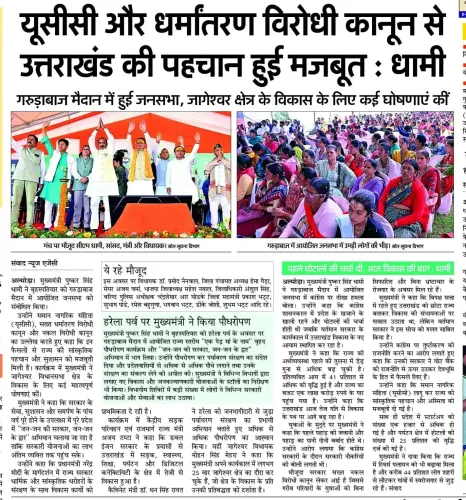
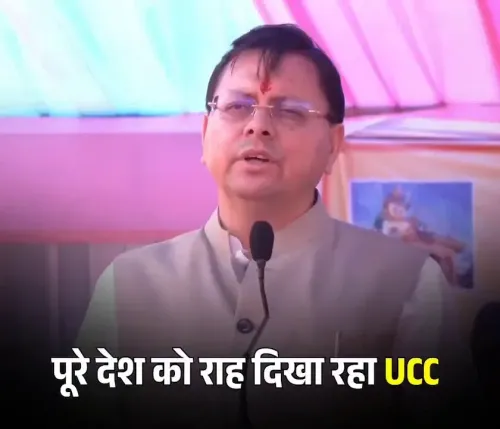
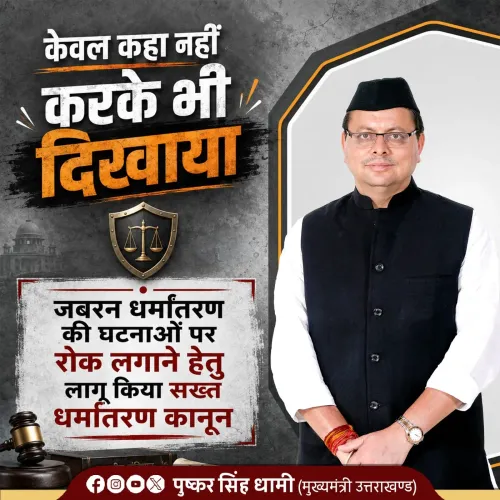
Chief Minister Pushkar Singh Dhami on 27 June 2026 reaffirmed Uttarakhand's commitment to protecting its cultural and spiritual identity through the state's anti-conversion law, Uniform Civil Code, and land legislation — measures the BJP-led government frames as safeguards for Devbhoomi's indigenous character.
Key Takeaways
CM Pushkar Singh Dhami on 27 June 2026 publicly reaffirmed the Uttarakhand government's resolve to protect the state's cultural and Sanatan identity.
Uttarakhand has enacted three major laws cited by the CM: a strict anti-conversion statute, the Uniform Civil Code (UCC) , and reformed land laws.
Uttarakhand was the first state in independent India to notify a Uniform Civil Code , making it a national reference point for UCC debates.
Land laws restrict non-resident purchases to protect local ownership in hill districts of the Himalayan state.
Constitutional challenges to the UCC and anti-conversion provisions are pending before courts, with outcomes that could affect similar laws in other states.
The statement reinforces Uttarakhand's positioning under the BJP as a model state for cultural-preservation legislation.
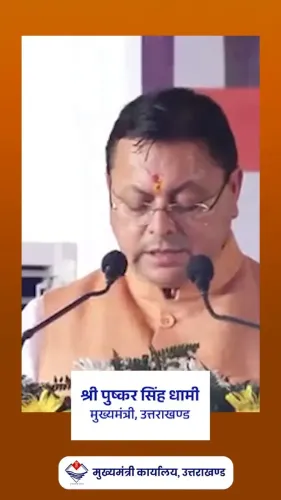
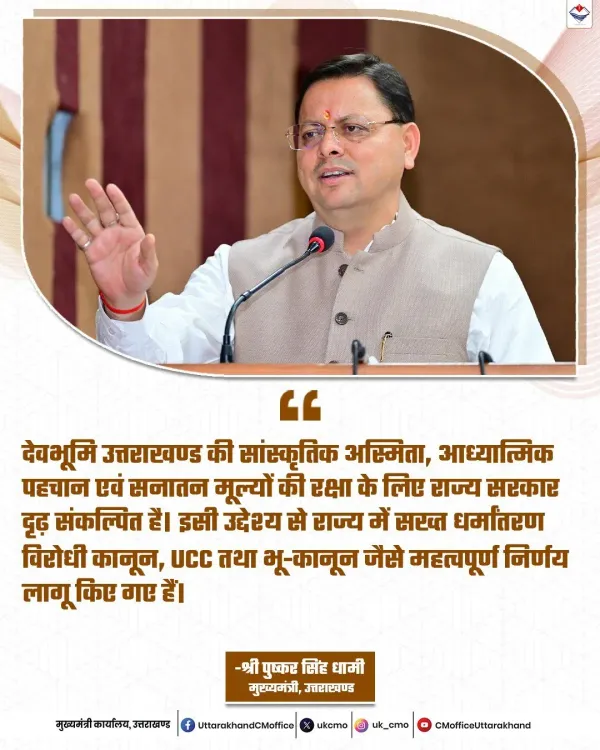
The Chief Minister's Office of Uttarakhand on Saturday, 27 June 2026 quoted Chief Minister Pushkar Singh Dhami reaffirming the state government's commitment to preserving Uttarakhand's cultural identity and Sanatan values through three landmark legislative measures: a strict anti-conversion law, the Uniform Civil Code (UCC), and reformed land laws.
Context
Speaking in Hindi, CM Dhami stated: 'Devbhoomi Uttarakhand ki sanskritik asmita, adhyatmik pahchan evam Sanatan mulyon ki raksha ke liye rajya sarkar dridh sankalprit hai' — 'The state government is firmly resolved to protect the cultural identity, spiritual character and Sanatan values of Devbhoomi Uttarakhand.' He specifically cited the anti-conversion law, the UCC, and land laws as instruments of that resolve.
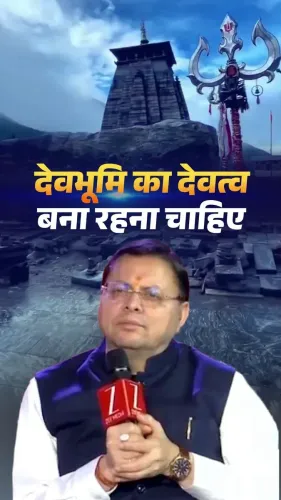
Uttarakhand is constitutionally designated Devbhoomi — 'Land of the Gods' — a status that successive state administrations have invoked to justify protective legislation covering religious and demographic concerns in the Himalayan state.
Policy Backdrop
Uttarakhand has been at the forefront of BJP-governed states enacting legislation framed around cultural and demographic protection. The state introduced amendments to its land laws to restrict non-resident land purchases, a measure aimed at preserving local ownership patterns in ecologically and culturally sensitive hill districts.
The state also enacted one of India's stricter anti-conversion statutes, part of a wave of similar legislation across multiple BJP-ruled states between 2018 and 2022. Most significantly, Uttarakhand became the first state in independent India to notify a Uniform Civil Code — a single set of personal laws applicable to all citizens regardless of religion — positioning it as a model for national-level UCC discussions.
Stakeholders and Impact
Proponents of these measures, including the ruling BJP government, argue they protect the indigenous identity of hill communities, ensure gender-equal personal laws under the UCC, and prevent demographic shifts driven by land purchases or alleged coercive conversions.
Critics and civil liberties groups, however, have raised concerns that anti-conversion statutes place disproportionate scrutiny on religious minorities and that land-law enforcement may affect internal migrants and economically marginalised communities. Constitutional challenges to both the UCC provisions and anti-conversion laws are pending before courts.
Local residents and religious communities across Uttarakhand's 13 districts remain the primary stakeholders, with the laws touching areas from property rights and marriage registration to the process of changing one's religion.
What's Next
Judicial scrutiny of the UCC's constitutionality and the scope of the anti-conversion law's provisions will be the most consequential near-term developments. Any rulings could set precedents affecting similar legislation in other states.
The statement also signals that CM Dhami's government intends to sustain — and potentially deepen — this legislative agenda as a core political and governance priority, reinforcing Uttarakhand's positioning as a laboratory for cultural-preservation policy within the broader BJP framework.
Point of View
The government ties governance decisions to a spiritual-cultural mandate that is difficult to oppose on purely administrative grounds. The statement arrives as UCC and anti-conversion laws face judicial scrutiny, suggesting the government is shoring up public and political support ahead of potential court-ordered modifications. Uttarakhand's role as a BJP policy laboratory means outcomes here — legislative, judicial, or electoral — will be watched closely by other state governments considering similar measures.
NationPress
25 Sept 2026
Frequently Asked Questions
What is the Uniform Civil Code in Uttarakhand?
Uttarakhand's Uniform Civil Code is a state law that applies a single set of personal laws — covering marriage, divorce, inheritance and adoption — to all citizens regardless of their religion, making it the first such code enacted by any Indian state.
What does Uttarakhand's anti-conversion law say?
Uttarakhand's anti-conversion law prohibits religious conversion carried out through force, fraud or allurement, and requires prior notice to district authorities for any voluntary conversion, with violations attracting imprisonment and fines.
Why is Uttarakhand called Devbhoomi?
Uttarakhand is called Devbhoomi, meaning 'Land of the Gods,' because it is home to major Hindu pilgrimage sites including Char Dham — Badrinath, Kedarnath, Gangotri and Yamunotri — and has deep significance in Hindu religious tradition.
What are Uttarakhand's land laws and who do they affect?
Uttarakhand's land laws restrict the purchase of agricultural and hill land by people who are not residents or natives of the state, aimed at preventing large-scale land acquisition that could alter local ownership patterns and demographics in hill districts.
Is Uttarakhand's UCC facing a legal challenge?
Yes, constitutional challenges to Uttarakhand's Uniform Civil Code and anti-conversion provisions are pending before courts; the outcomes could set precedents affecting similar legislation in other Indian states.