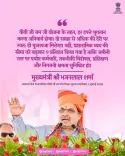
CM Dhami Chairs Uttarakhand Pre-Monsoon Mock Drill
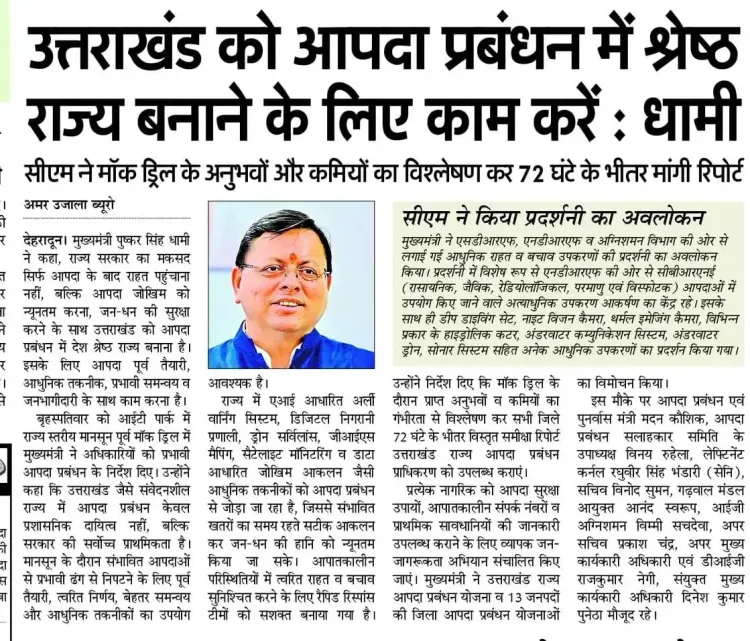
Synopsis
Chief Minister Pushkar Singh Dhami chaired Uttarakhand's state-level pre-monsoon mock drill on 3 July 2026, directing officials on effective disaster management ahead of the monsoon season in one of India's most flood-prone Himalayan states.
Key Takeaways
CM Pushkar Singh Dhami chaired a state-level pre-monsoon mock drill on 3 July 2026 and issued disaster management directives to officials.
Uttarakhand is among India's highest-risk states for monsoon-triggered landslides, flash floods, and cloudbursts.
Annual pre-monsoon drills in Uttarakhand were institutionalised after the devastating 2013 Kedarnath floods .
The Disaster Management Act, 2005 and the National Disaster Management Plan 2019 mandate such simulation exercises in vulnerable states.
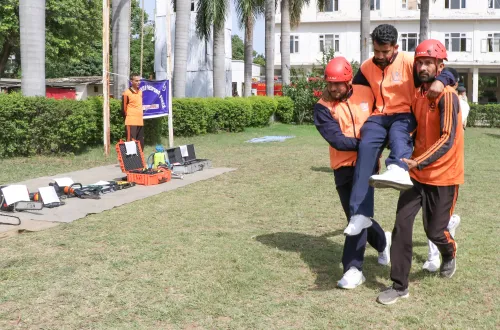
The exercise tests inter-departmental coordination and early-warning systems ahead of the 2026 monsoon season .
Updated standard operating procedures and possible NDMA review meetings are expected to follow the drill.
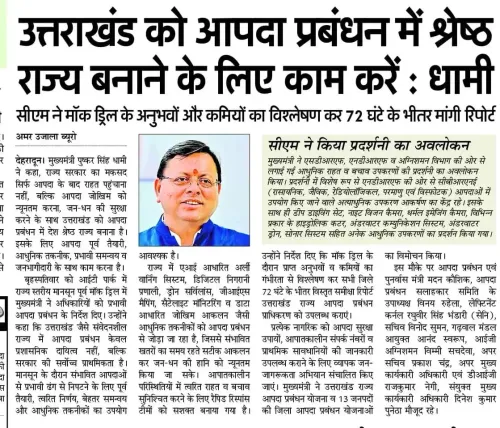
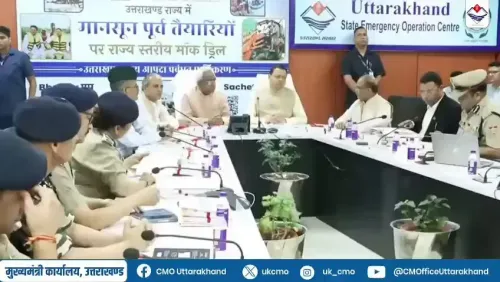
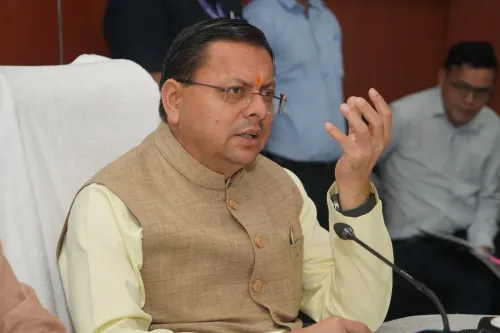
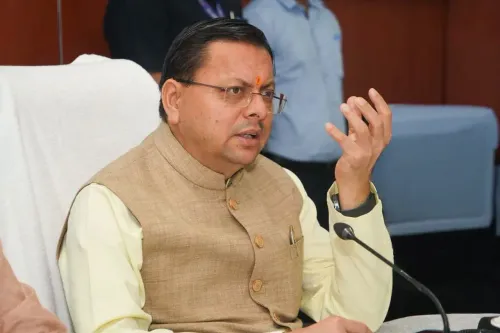
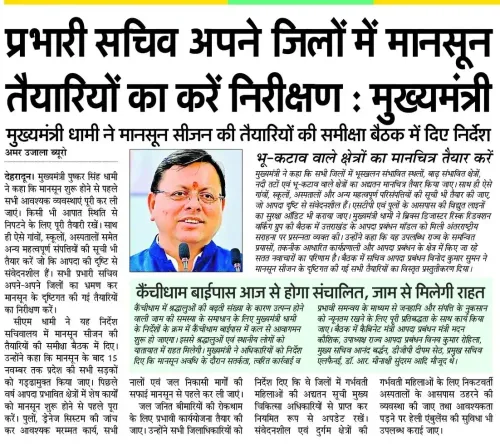
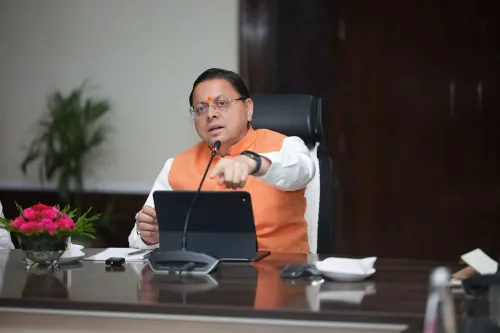
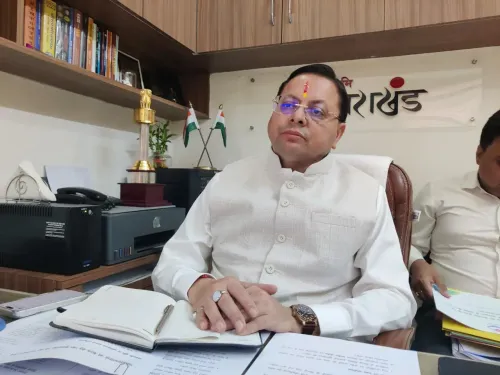
The Chief Minister's Office of Uttarakhand announced on Friday, 3 July 2026 that Chief Minister Pushkar Singh Dhami chaired a state-level pre-monsoon mock drill and issued directives to officials on effective disaster management ahead of the 2026 monsoon season.
Context
The post, shared by the official Chief Minister's Office account, stated that 'mukhyamantri shri Pushkar Singh Dhami ne rajya stariya mansoon purva mock drill mein adhikariyon ko diye prabhavi aapda prabandhan ke nirdesh' — Chief Minister Pushkar Singh Dhami issued directives on effective disaster management to officials during the state-level pre-monsoon mock drill. The exercise is part of annual preparations that Uttarakhand undertakes before the monsoon season, which typically brings severe weather events to the Himalayan state.
Uttarakhand is among India's most disaster-prone states, situated in a high-risk seismic and hydro-meteorological zone. Monsoon-triggered landslides, flash floods, and cloudbursts recur every year across its hill districts, making pre-season preparedness exercises a governance priority.
Policy Backdrop
The legal foundation for such drills lies in the Disaster Management Act, 2005, which established state disaster management authorities and mandated regular simulation exercises. The Uttarakhand State Disaster Management Authority (USDMA), constituted under that Act, coordinates preparedness, response protocols, and mock drills across the state's districts.
The catastrophic 2013 Kedarnath floods proved a turning point: Uttarakhand institutionalised annual pre-monsoon mock drills and district-level emergency plans in their aftermath. The National Disaster Management Plan 2019 further reinforced this approach by emphasising proactive simulation exercises in Himalayan states before the monsoon onset. The National Disaster Management Authority (NDMA), India's apex disaster body, issues annual guidelines requiring such drills in vulnerable states.
Stakeholders and Impact
The primary beneficiaries of a well-executed mock drill are the residents of Uttarakhand's hill districts, where communities face recurring risk from flash floods, landslides, and cloudbursts each monsoon season. State administration officials and emergency response forces are the key participants, using the drill to test inter-departmental coordination and early-warning systems.
By directing officials on effective disaster management at the state level, CM Dhami signals the government's intent to shift emphasis from post-disaster relief to structured, proactive preparedness — a broader pattern increasingly visible across India's mountain states. The directives issued at such drills typically inform revised standard operating procedures that guide field-level response when actual disasters strike.
What's Next
The state government is expected to publish reports on the drill's performance and any updated standard operating procedures before the monsoon intensifies across Uttarakhand. Review meetings with the NDMA may follow, aligning state protocols with national disaster risk reduction frameworks. The quality of inter-agency coordination demonstrated in exercises like this one will be tested as the 2026 monsoon progresses through the Himalayas.
Point of View
Rather than delegate it, is a visible assertion of executive ownership over disaster preparedness — a posture that carries political weight in a state scarred by the 2013 Kedarnath tragedy. Uttarakhand's annual pre-monsoon exercises have evolved from routine bureaucratic compliance into a more institutionalised preparedness architecture, reflecting the national push under the Disaster Management Act framework. The timing, in early July as the monsoon advances northward, suggests the state administration is attempting to close coordination gaps before peak risk weeks arrive. Whether the directives issued translate into measurable improvements in response times and inter-agency coordination will be the real test of this exercise's value.
NationPress
3 Jul 2026
Frequently Asked Questions
What is the Uttarakhand pre-monsoon mock drill?
The Uttarakhand pre-monsoon mock drill is a state-level simulation exercise conducted before the monsoon season to test inter-departmental coordination, early-warning systems, and emergency response protocols. It is mandated under the Disaster Management Act, 2005 and has been held annually since being institutionalised after the 2013 Kedarnath floods.
Why is Uttarakhand so vulnerable to monsoon disasters?
Uttarakhand lies in a high-risk seismic and hydro-meteorological zone in the Himalayas, making it highly susceptible to monsoon-triggered landslides, flash floods, and cloudbursts every year. Its mountainous terrain and river systems amplify the impact of heavy rainfall.
What did CM Dhami do at the pre-monsoon drill on 3 July 2026?
Chief Minister Pushkar Singh Dhami chaired the state-level pre-monsoon mock drill on 3 July 2026 and issued directives to officials on effective disaster management ahead of the 2026 monsoon season.
What is the Uttarakhand State Disaster Management Authority?
The Uttarakhand State Disaster Management Authority (USDMA) is the state-level body constituted under the Disaster Management Act, 2005 to coordinate disaster preparedness, response, and simulation exercises such as pre-monsoon mock drills across the state.
What happens after a pre-monsoon mock drill in Uttarakhand?
After the drill, the state government typically reviews performance reports and may revise standard operating procedures for emergency response. Review meetings with the National Disaster Management Authority may also follow to align state protocols with national guidelines.