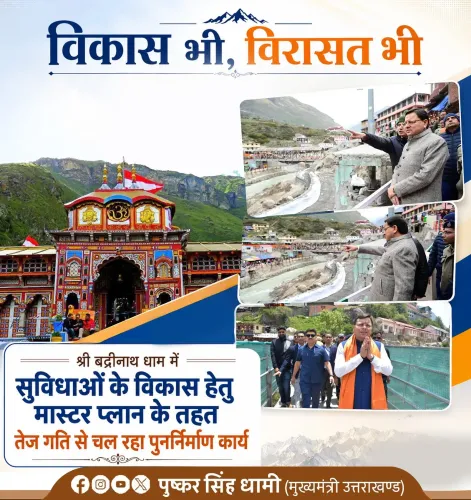
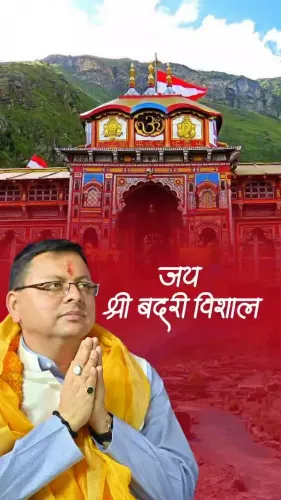
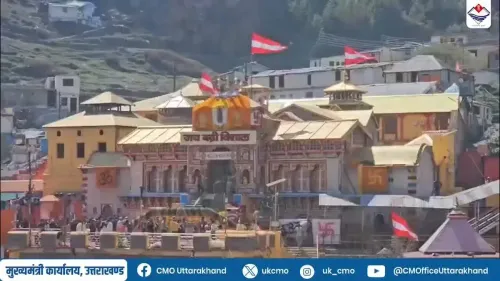
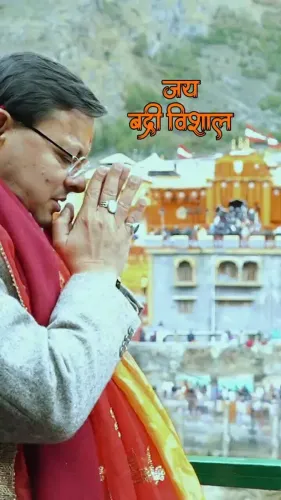
CM Dhami Offers Prayers at Adi Badri Temple En Route to Gairsain Session
Synopsis
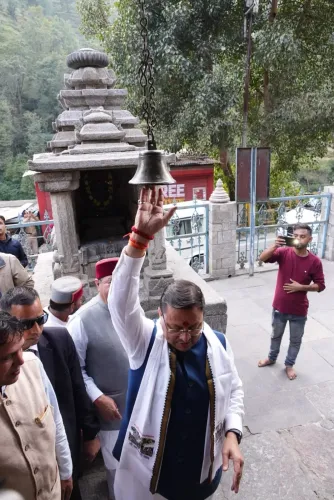
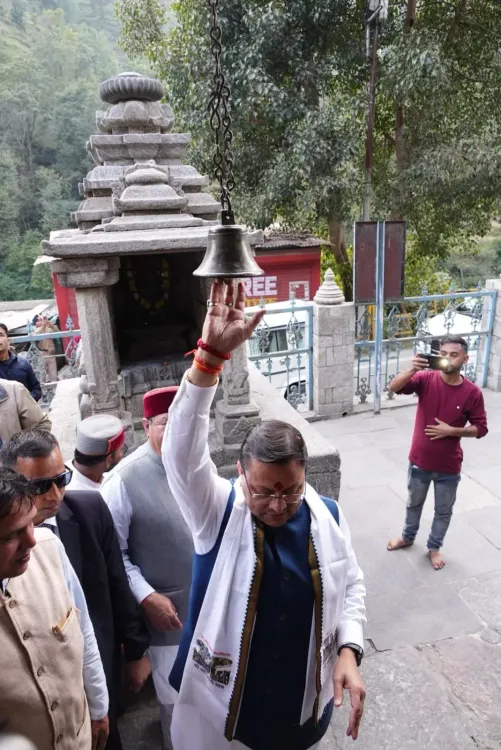
Uttarakhand CM Pushkar Singh Dhami offered prayers at the ancient Shri Adi Badri Temple in Chamoli's Panch Badri circuit on 26 October 2026, seeking Lord Vishnu's blessings for state residents before attending the Vidhan Sabha session at Gairsain, the state's designated summer capital.
Key Takeaways
CM Pushkar Singh Dhami visited Shri Adi Badri Temple in Chamoli district on 26 October 2026 en route to the assembly session.
He offered prayers with full ritual observance and sought blessings of Lord Shri Hari Vishnu for the prosperity and well-being of all Uttarakhand residents.
Adi Badri is one of the Panch Badri Vishnu shrines, a key pillar of Uttarakhand's Devbhoomi religious tourism identity.
The Vidhan Sabha session is being held at Gairsain (Bhararisain) , designated as Uttarakhand's summer capital by a cabinet decision in 2020 .
The CM described these ancient shrines as symbols of the state's 'rich spiritual and cultural heritage' that inspire public service.
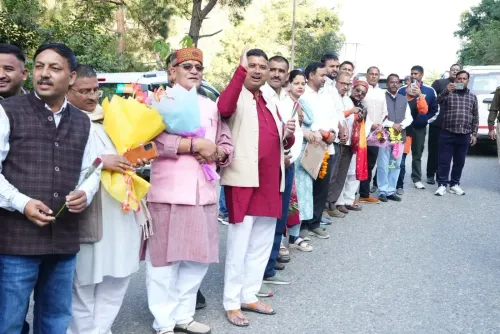
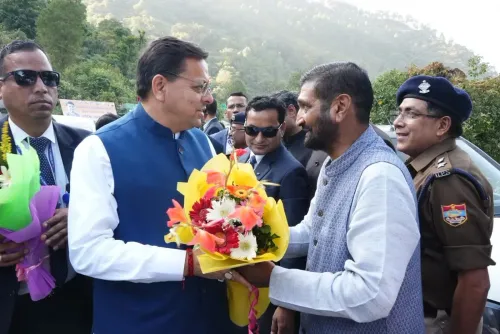
Before stepping into the Uttarakhand Vidhan Sabha session at Bharadiisain (Gairsain), Chief Minister Pushkar Singh Dhami paused at one of the state's most revered shrines — stopping at the ancient Shri Adi Badri Temple in Chamoli district on Monday, 26 October 2026 to offer prayers and seek the blessings of Lord Shri Hari Vishnu for the people of Uttarakhand.
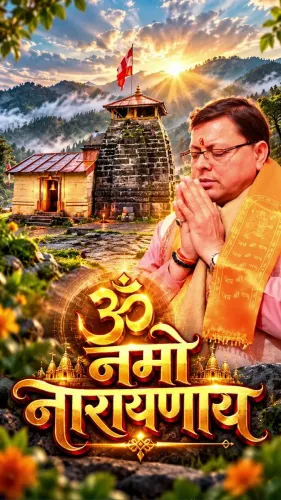
Sharing the moment on X, the Chief Minister wrote that he offered prayers 'vidhi-vidhan se' (with full ritual observance) and prayed for the happiness, prosperity, good health, and well-being of all residents of the state. He added: 'These ancient divine abodes of Devbhoomi Uttarakhand are symbols of our rich spiritual and cultural heritage, inspiring us always to walk the path of public service and welfare. Jai Badri Vishal!'
Adi Badri: The Panch Badri Shrine in Chamoli's Sacred Heartland
Shri Adi Badri Temple, located in Chamoli district, is one of the celebrated Panch Badri pilgrimage sites — a cluster of five Vishnu shrines of which Badrinath is the most prominent. Revered as an ancient Vaishnava seat, the temple draws pilgrims year-round and stands as a cornerstone of the religious tourism ecosystem that Uttarakhand has actively promoted under its Devbhoomi identity. The route connecting these shrines also overlaps with the broader Char Dham corridor infrastructure that the state has been developing.
Gairsain: The Summer Capital Where Law Is Made in the Mountains
The Vidhan Sabha session that brought CM Dhami through Chamoli is being held at Gairsain, the hill town formally designated as Uttarakhand's summer capital by a 2020 cabinet decision. Holding legislative sessions there is a long-standing political commitment to the Garhwal hills — a symbolic and practical signal that governance reaches beyond the winter capital Dehradun into the state's mountainous heartland. The journey from Dehradun to Gairsain passes directly through Chamoli, making the Adi Badri stop a natural detour on an official route.
Indian chief ministers visiting prominent temples on the way to official engagements is a well-established practice — one that simultaneously underlines state cultural identity and reinforces the Devbhoomi brand that draws millions of pilgrims and tourists to Uttarakhand each year. For Dhami, the gesture fuses the legislative and the devotional into a single image ahead of the session.
As the assembly convenes in the mountains and the Char Dham pilgrimage season winds down, the spotlight will next fall on what the session delivers — particularly any budget lines for temple infrastructure or the connectivity projects that make these ancient shrines accessible to a new generation of visitors.
Point of View
The temple stop and the mountain legislature make a coherent image of a BJP chief minister anchoring power in faith and geography simultaneously. The policy question the session raises — temple infrastructure funding, connectivity, tourism revenue — will determine whether the symbolism translates into measurable delivery.
NationPress
26 Oct 2026
Frequently Asked Questions
Which temple did CM Dhami visit before the Gairsain assembly session?
CM Pushkar Singh Dhami visited Shri Adi Badri Temple in Chamoli district , one of the Panch Badri Vishnu shrines, on his way to the Vidhan Sabha session at Gairsain on 26 October 2026 .
What is the Panch Badri and where is Adi Badri located?
The Panch Badri is a group of five sacred Vishnu temples in Uttarakhand. Adi Badri , located in Chamoli district , is one of these five shrines and is considered among the oldest in the circuit, closely associated with the famed Badrinath pilgrimage route.
Why is the Vidhan Sabha session held in Gairsain?
Gairsain , also called Bhararisain, was designated as Uttarakhand's summer capital by a cabinet decision in 2020 . Holding assembly sessions there is a longstanding political commitment to bring governance closer to the state's hill communities.
What did CM Dhami pray for at Adi Badri Temple?
According to his post, CM Dhami prayed for the 'happiness, prosperity, good health, and well-being' of all residents of Uttarakhand, offering prayers to Lord Shri Hari Vishnu with full ritual observance.
What is Devbhoomi Uttarakhand?
' Devbhoomi ' — meaning 'Land of the Gods' — is the widely used identity for Uttarakhand , reflecting its dense network of ancient Hindu temples, pilgrimage routes such as the Char Dham , and its significance as a spiritual destination for millions of pilgrims annually.