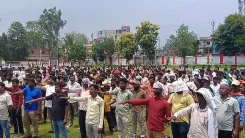
CM Dhami Reviews Pre-Monsoon Disaster Drills in Dehradun
Synopsis
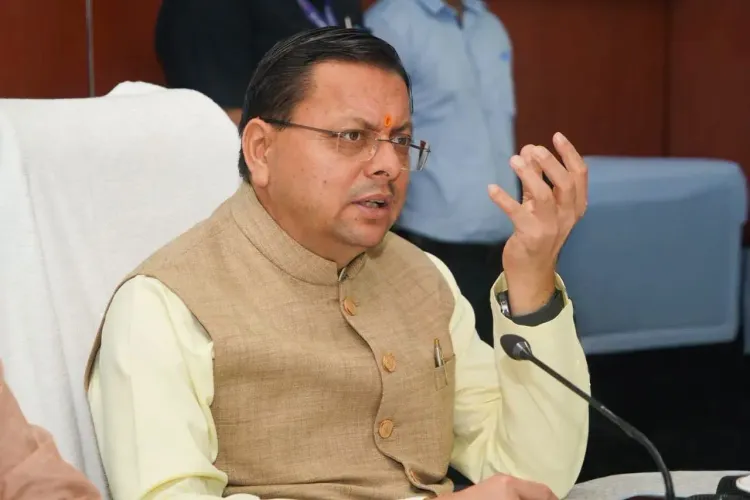
Uttarakhand CM Pushkar Singh Dhami inspected a state-level pre-monsoon mock drill in Dehradun on 2 July 2026, ordered all districts to submit preparedness reports within 72 hours, and directed NDRF, SDRF, Water Police and district administrations to coordinate fully ahead of the monsoon season.
Key Takeaways
CM Dhami inspected a state-level pre-monsoon mock drill in Dehradun on 2 July 2026 .
All districts have been directed to submit detailed disaster preparedness reports within 72 hours .
NDRF, SDRF, Water Police and district administrations were instructed to maintain full alertness and better coordination.
The state is deploying an AI-based Early Warning System , drone surveillance, GIS mapping, and digital monitoring for disaster response.
Active participation of local citizens, NGOs, and village-level committees has been mandated as part of the disaster management framework.
Cabinet Minister Madan Kaushik attended the review; a book on state and district disaster management plans was also released at the event.
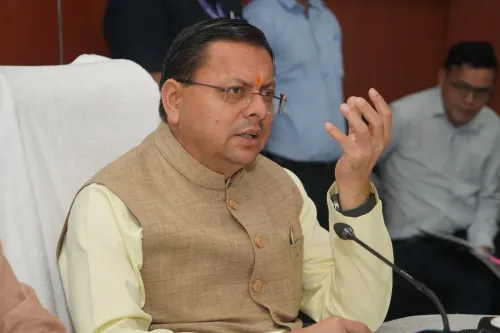
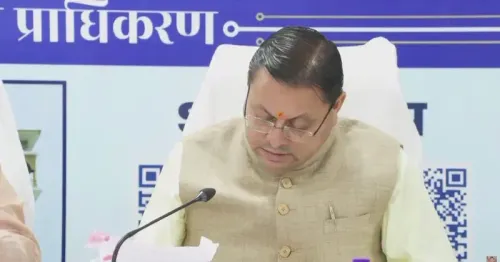
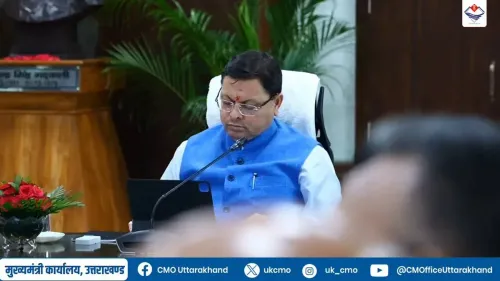
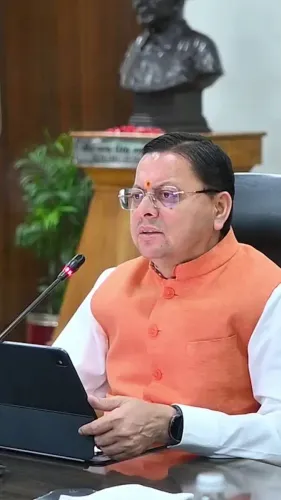
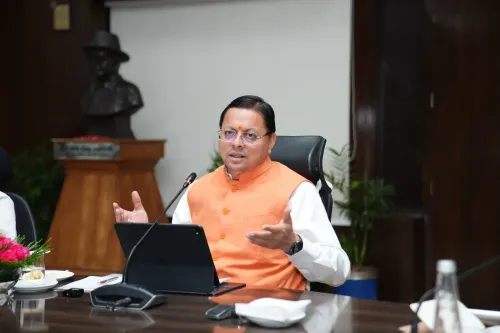
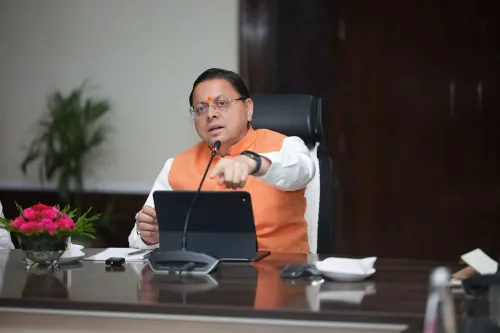
Uttarakhand Chief Minister Pushkar Singh Dhami on Thursday, 2 July 2026, inspected a state-level pre-monsoon mock drill in Dehradun and reviewed the state's disaster management preparedness, directing all districts to submit detailed readiness reports within 72 hours.
Context
Posting on X in Hindi, CM Dhami said he had reviewed disaster management preparations at the state-level mock drill and issued instructions to all districts — 'सभी जनपदों को आगामी 72 घंटे के भीतर अपनी तैयारियों की विस्तृत रिपोर्ट प्रस्तुत करने के निर्देश दिए हैं' ('all districts have been directed to submit a detailed preparedness report within the next 72 hours'). Cabinet Minister Madan Kaushik was also present at the review meeting. The Chief Minister also released a book related to state and district disaster management plans on the occasion.
Policy Backdrop
Uttarakhand's heightened focus on pre-monsoon preparedness is rooted in the catastrophic 2013 Kedarnath floods, which killed thousands and exposed critical gaps in the state's emergency response infrastructure. Since then, the State Disaster Management Authority (SDMA) has progressively strengthened its planning and coordination mechanisms under the Disaster Management Act, 2005. National Disaster Management Authority (NDMA) guidelines have, since 2009, mandated annual pre-monsoon mock drills and community participation across all states.
India's adoption of the Sendai Framework for Disaster Risk Reduction has further pushed states toward technology-driven early warning and community-based resilience models — an approach Uttarakhand has increasingly embraced given its vulnerable Himalayan terrain.
Technology and Community at the Centre
CM Dhami highlighted that disaster management in the state is being made more effective through modern tools including an AI-based Early Warning System, drone surveillance, GIS mapping, and digital monitoring. He also directed Water Police, the State Disaster Response Force (SDRF), the National Disaster Response Force (NDRF), and district administrations to operate with full alertness and better coordination. Alongside technology, the Chief Minister emphasised ensuring the active participation of local citizens, voluntary organisations, and village-level committees in disaster management — a community-based approach that has been a consistent policy thread since the 2005 Act.
Stakeholders and Impact
Uttarakhand's Himalayan districts are among India's most disaster-prone zones, regularly battered by monsoon-triggered landslides, flash floods, and cloudbursts. Hill residents, NGO volunteers, and gram-level committees are central to the state's last-mile response architecture, particularly in areas where road connectivity is severed during heavy rainfall. The integration of AI and drone-based surveillance is intended to give authorities advance warning time that can translate directly into lives saved.
What's Next
All districts are expected to submit their preparedness reports to the state government within 72 hours of the directive — making the first week of July 2026 a key checkpoint for the administration ahead of peak monsoon activity. The effectiveness of the AI early-warning systems and drone surveillance networks will face their real test as the monsoon intensifies across the state's high-altitude districts in the coming weeks.
Point of View
Drones and GIS alongside village-level committees reflects a dual-track strategy — technology at the top, community networks at the base — that aligns with India's Sendai Framework commitments. How rigorously the district reports are acted upon will determine whether this cycle of preparedness translates into reduced casualties when the monsoon peaks.
NationPress
2 Jul 2026
Frequently Asked Questions
What did CM Dhami do at the pre-monsoon mock drill in Dehradun?
CM Pushkar Singh Dhami inspected a state-level pre-monsoon mock drill in Dehradun on 2 July 2026 and reviewed disaster management preparations, directing all districts to submit detailed readiness reports within 72 hours.
What technology is Uttarakhand using for disaster management in 2026?
Uttarakhand is deploying an AI-based Early Warning System, drone surveillance, GIS mapping, and digital monitoring platforms to strengthen its disaster response ahead of the 2026 monsoon.
Which agencies were directed to coordinate for Uttarakhand monsoon preparedness?
CM Dhami directed the NDRF, SDRF, Water Police, and district administrations to work with full alertness and better coordination during the monsoon season.
Why is Uttarakhand so focused on disaster preparedness before the monsoon?
Uttarakhand's Himalayan districts are highly vulnerable to monsoon-triggered landslides, flash floods, and cloudbursts. The 2013 Kedarnath floods, which killed thousands, significantly accelerated the state's focus on structured pre-monsoon preparedness.
Who is Madan Kaushik and why was he at the disaster review meeting?
Madan Kaushik is a cabinet minister in the Uttarakhand government. He attended the state-level disaster management review meeting chaired by CM Dhami in Dehradun on 2 July 2026.