CM Dhami Vows to Make Uttarakhand Single-Use Plastic Free
Synopsis
On International Tiger Day, Uttarakhand CM Pushkar Singh Dhami attended a Dehradun workshop on single-use plastic ban enforcement, linking plastic pollution to wildlife harm and calling for a people's movement to make the state plastic-free.
Key Takeaways
CM Pushkar Singh Dhami attended a state-level workshop in Dehradun on 29 July 2026 , International Tiger Day, focused on single-use plastic ban enforcement.
He released tiger conservation-themed paintings and postcards and honoured individuals for contributions to wildlife conservation and human-wildlife conflict response.
Dhami directly linked single-use plastic in forests to wildlife health damage, calling it a serious threat to rivers, soil, water sources, and animals.
Special campaigns are underway to make Char Dham Yatra routes and major tourist destinations plastic-free, alongside inspection, enforcement, and recycling drives.
The CM called on youth, industry, pilgrims, and citizens to turn the plastic ban into a jan andolan (people's movement) through schools, gram sabhas, and self-help groups.
India's nationwide single-use plastic ban has been in force since 1 July 2022 under the Plastic Waste Management Amendment Rules.
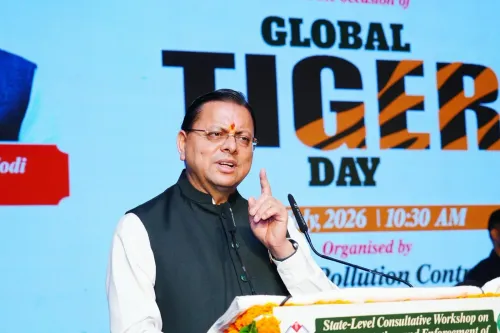
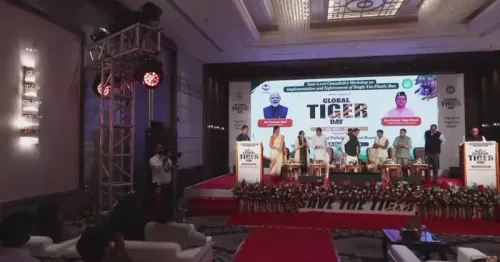
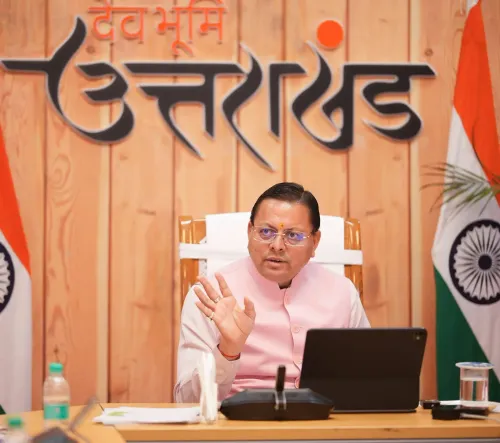
On International Tiger Day, 29 July 2026, a state-level workshop in Dehradun drew a sharp line between two threats to Uttarakhand's forests — and Chief Minister Pushkar Singh Dhami made clear they are the same fight. Plastic left in jungle corridors ends up in wildlife stomachs. Tigers survive only if their habitat does. The Chief Minister's Office of Uttarakhand announced that CM Dhami attended the state-level consultation workshop on 'Effective Implementation and Enforcement of the Single-Use Plastic Ban' and used the occasion to demand nothing less than a people's movement.
Why Tiger Day and a Plastic Workshop Share a Stage
The pairing was deliberate. CM Dhami told attendees that the tiger is not merely a wild animal — it is a symbol of rich biodiversity and a balanced ecosystem: 'बाघ केवल एक वन्यजीव नहीं, बल्कि हमारी समृद्ध जैव विविधता और संतुलित पारिस्थितिकी तंत्र का प्रतीक है' ('The tiger is not just a wild animal but a symbol of our rich biodiversity and balanced ecosystem'). Safe forests mean safe tigers. Plastic in those forests poisons both.
He pointed to a direct chain of harm: single-use plastic discarded in forest areas repeatedly mixes with wildlife food, causing serious health damage to animals. Rivers, soil, water sources, and wildlife are all under threat. The argument was ecological, not merely administrative.
Char Dham Routes and Tourist Sites in the Crosshairs
Uttarakhand's challenge is scale. The state hosts the Char Dham Yatra — one of India's most-visited pilgrimage circuits — drawing millions of devotees annually to Yamunotri, Gangotri, Kedarnath, and Badrinath. Every footfall is a potential plastic deposit in fragile Himalayan terrain.
The state government is already running special campaigns to make Char Dham Yatra routes and major tourist destinations plastic-free, alongside inspection and enforcement drives. Scientific management and recycling of plastic waste are being promoted in parallel. CM Dhami appealed directly to pilgrims and tourists: do not leave plastic or any other waste at natural sites.
From Government Order to Jan Andolan
India's nationwide ban on identified single-use plastic items, enforced from 1 July 2022 under the Plastic Waste Management Amendment Rules, gave states the legal framework. Uttarakhand's challenge now is converting law into habit. CM Dhami was blunt: effective enforcement is not possible through government effort alone. It requires public participation, mass awareness, and the active cooperation of every citizen.
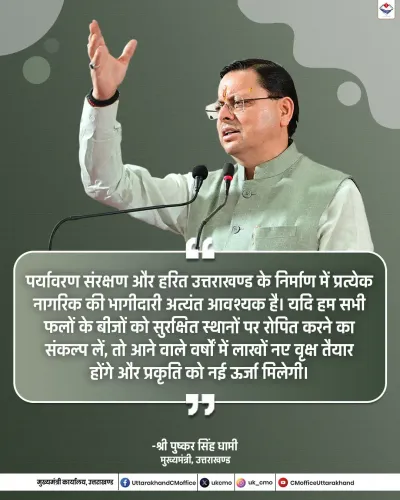
He called on youth to carry the campaign through schools, colleges, gram sabhas, self-help groups, and social organisations — turning a regulatory mandate into a jan andolan (people's movement). Industry was asked to adopt eco-friendly packaging and modern recycling technologies. Citizens were urged to switch to cloth bags, jute, and environment-friendly products.
Honours for Human-Wildlife Conflict Heroes
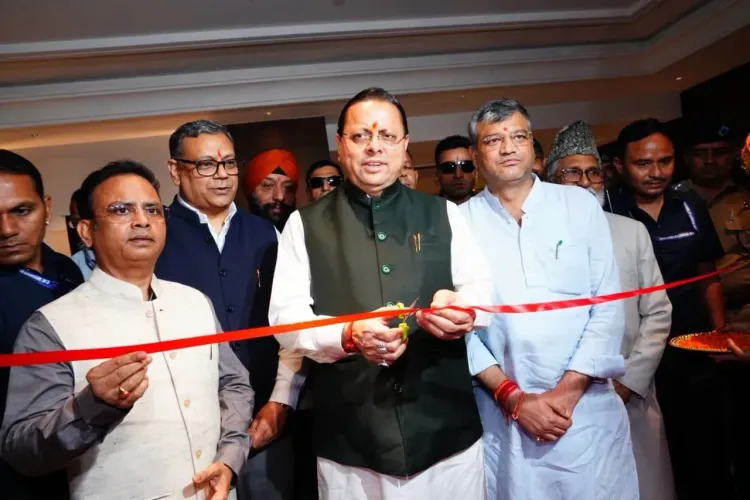
The workshop was not only about pledges. CM Dhami felicitated individuals who showed courage in human-wildlife conflict situations and made notable contributions to wildlife conservation — a signal that the state intends to recognise, not just regulate. He also released tiger conservation-themed paintings and postcards at the event.
Senior officials present included Dehradun Mayor Saurabh Thapliyal, Tehri Zila Panchayat President Ishita Sajwan, Principal Secretary R. K. Sudhanshu, Principal Chief Conservator of Forests (HoFF) Kapil Lal, Principal Chief Conservator of Forests (Wildlife) Neena Grewal, and Pollution Control Board Member Secretary Dr. Parag Madhukar Dhakate.
Uttarakhand has set its ambition plainly: become a single-use plastic free state. The question is whether a workshop resolves into a movement — and whether the pilgrimage corridors that define the state's identity can hold that line season after season.
Point of View
Making it harder to dismiss as routine bureaucracy. For CM Dhami, who governs a state whose economy depends on pilgrimage tourism and whose identity is inseparable from the Himalayas, a credible green record is both a policy priority and an electoral asset. The explicit call to convert the ban into a 'people's movement' signals awareness that top-down enforcement alone has failed to shift behaviour since the 2022 national ban. Whether the state can sustain enforcement pressure along the Char Dham corridors — where commercial and devotional interests are deeply entrenched — will be the real test of this commitment.
NationPress
29 Jul 2026
Frequently Asked Questions
What is Uttarakhand's single-use plastic ban and when did it come into effect?
India banned identified single-use plastic items nationwide from 1 July 2022 under the Plastic Waste Management Amendment Rules 2021. Uttarakhand is implementing and enforcing this ban at the state level through awareness campaigns, inspections, and special drives along pilgrimage and tourist routes.
Why was the plastic ban workshop held on International Tiger Day?
International Tiger Day is observed on 29 July every year to highlight tiger conservation. CM Dhami linked the two issues directly — plastic discarded in forest areas mixes with wildlife food and harms animals, making plastic elimination essential to protecting tigers and their habitat.
What is Uttarakhand doing to make Char Dham Yatra routes plastic-free?
The state government is running special campaigns targeting Char Dham Yatra routes and major tourist destinations, combined with inspection and enforcement drives. Pilgrims and tourists have been appealed to directly not to leave plastic or waste at natural sites.
Who did CM Dhami honour at the Dehradun workshop?
CM Dhami felicitated individuals who showed courage in human-wildlife conflict situations and made notable contributions to wildlife conservation in Uttarakhand. He also released tiger conservation-themed paintings and postcards at the event.
What alternatives to single-use plastic did CM Dhami promote?
CM Dhami urged citizens to adopt cloth bags, jute products, and other environment-friendly alternatives. He also called on industry to shift to eco-friendly packaging and modern recycling technologies, and asked youth to spread awareness through schools, colleges, gram sabhas, and self-help groups.