CM Fadnavis Launches MahaDBT 2.0, Maha AI at Vidhan Bhavan
Synopsis
Chief Minister Devendra Fadnavis launched four digital governance projects at Vidhan Bhavan, Mumbai, on 24 June 2026 — MahaDBT 2.0, Maha AI Project, Digital Life Certificate System, and Service Centre Standardisation — in a meeting also attended by DCM Sunetra Ajit Pawar and Minister Ashish Shelar.
Key Takeaways
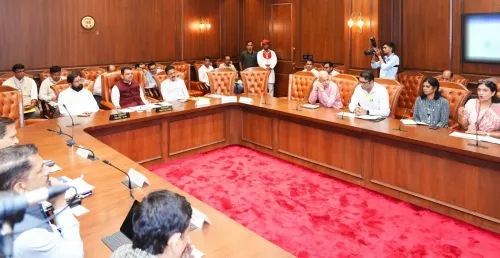
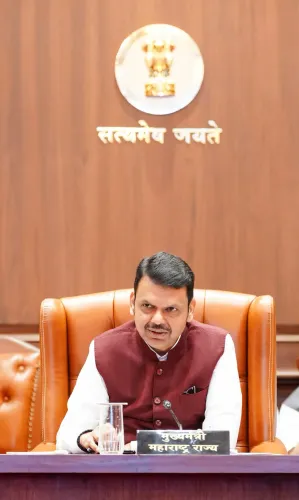
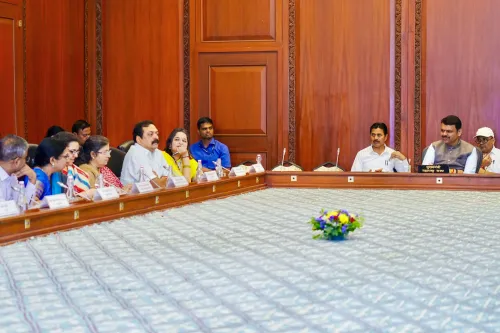
CM Devendra Fadnavis chaired a meeting on electronics, IT, and AI at Vidhan Bhavan, Mumbai on 24 June 2026 .
Four projects were inaugurated: MahaDBT 2.0 Portal , Service Centre Standardisation , Digital Life Certificate System , and the Maha AI Project .
Deputy CM Sunetra Ajit Pawar and Minister Ashish Shelar were present at the event held at 3 pm .
MahaDBT 2.0 upgrades Maharashtra's direct benefit transfer infrastructure to improve welfare delivery to citizens.
The Maha AI Project aims to integrate artificial intelligence into state governance and public service delivery.
The Digital Life Certificate System is designed to ease the verification burden on pensioners and scheme beneficiaries.
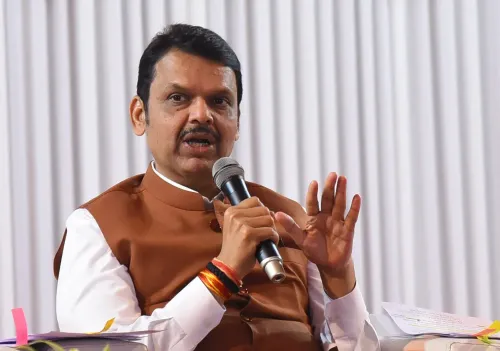
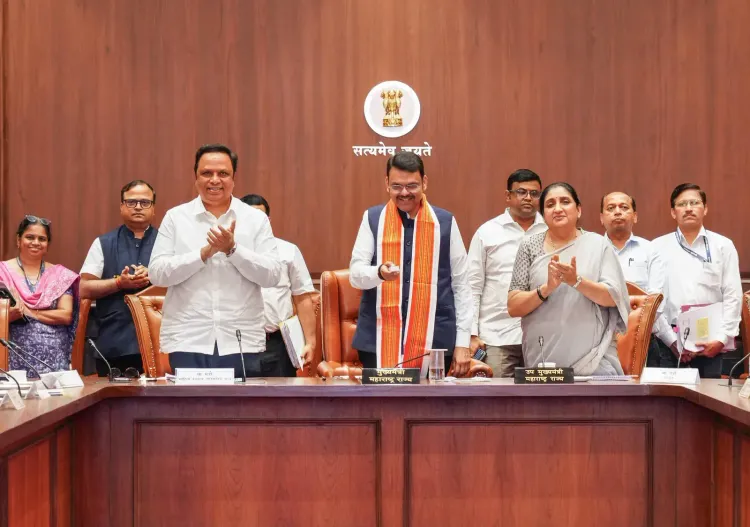
Chief Minister Devendra Fadnavis chaired a high-level meeting on electronics, information technology, and artificial intelligence at Vidhan Bhavan, Mumbai, on 24 June 2026, inaugurating four digital governance projects aimed at accelerating Maharashtra's administrative modernisation.
What Was Launched
Four projects were inaugurated at the meeting: the MahaDBT 2.0 Portal, Service Centre Standardisation, the Digital Life Certificate System, and the Maha AI Project. The Chief Minister's Office described the occasion as a step toward lokabhimukh, gatiman ani saksham prashasan — 'citizen-oriented, dynamic, and capable governance.'
Deputy Chief Minister Sunetra Ajit Pawar, Minister Ashish Shelar, and senior state officials were present at the 3 pm event.
Context
The MahaDBT 2.0 Portal is an upgraded version of Maharashtra's direct benefit transfer platform, built to reduce leakages in welfare delivery and streamline subsidy disbursement to eligible citizens. Maharashtra has been expanding its DBT infrastructure since the 2010s, and the 2.0 upgrade signals an intent to improve speed, transparency, and coverage.
The Digital Life Certificate System is aimed at pensioners and beneficiaries who currently need to submit physical proof of life periodically — a process that the digital system is designed to simplify. Service Centre Standardisation is expected to bring uniformity in how citizens access government services at the ground level.
Policy Backdrop
The Maha AI Project represents Maharashtra's most forward-looking initiative in this cluster, seeking to integrate artificial intelligence into public administration and service delivery. The project aligns with the national push toward AI-enabled governance, with state governments increasingly piloting AI tools for grievance redressal, data analytics, and departmental decision-support.
CM Fadnavis has consistently positioned technology adoption as a pillar of his administrative agenda across his tenures. The involvement of Minister Ashish Shelar, who oversees the IT portfolio, and DCM Sunetra Ajit Pawar signals cross-coalition consensus within Maharashtra's ruling alliance on digital priorities.
Stakeholders and Impact
The most immediate beneficiaries of MahaDBT 2.0 and the Digital Life Certificate System are welfare scheme recipients and pensioners across Maharashtra — a population running into several crore households. Smoother benefit transfers and reduced documentation burdens are the stated goals.
For state departments, Service Centre Standardisation is expected to reduce procedural inconsistencies that citizens encounter when accessing government offices in different districts. The Maha AI Project, if scaled effectively, could influence how departments process data, flag anomalies in welfare rolls, and respond to citizen queries.
What's Next
The phased rollout timelines and adoption metrics for each of the four projects will be closely watched by policy observers and opposition legislators alike. Integration challenges — particularly for the Maha AI Project across legacy departmental systems — are expected to define the pace of real-world impact.
Maharashtra's upcoming assembly sessions and budget discussions are likely to see these digital infrastructure investments cited as benchmarks for the state's governance performance. How quickly MahaDBT 2.0 reaches beneficiaries at the last mile will be the most tangible early test of the launch's significance.
Point of View
Which has historically been a politically low-risk but high-visibility domain. Whether these launches translate into measurable outcomes for beneficiaries — or remain headline-level announcements — will determine their longer-term political dividend.
NationPress
24 Jun 2026
Frequently Asked Questions
What is MahaDBT 2.0 and what does it do?
MahaDBT 2.0 is an upgraded version of Maharashtra's direct benefit transfer portal, designed to streamline subsidy and welfare disbursements to eligible citizens with greater speed and transparency. It was inaugurated by CM Devendra Fadnavis on 24 June 2026.
What is the Maha AI Project in Maharashtra?
The Maha AI Project is a Maharashtra government initiative to integrate artificial intelligence into public administration and service delivery. It was launched at Vidhan Bhavan, Mumbai, on 24 June 2026 under CM Devendra Fadnavis.
What is the Digital Life Certificate System launched in Maharashtra?
The Digital Life Certificate System is a Maharashtra government initiative to allow pensioners and welfare beneficiaries to submit proof-of-life digitally, reducing the need for physical visits to government offices.
Who attended the IT and AI projects meeting at Vidhan Bhavan on 24 June 2026?
Chief Minister Devendra Fadnavis chaired the meeting. Deputy Chief Minister Sunetra Ajit Pawar, Minister Ashish Shelar, and senior state officials were also present.
What is Service Centre Standardisation in Maharashtra?
Service Centre Standardisation is a Maharashtra government effort to bring uniformity in how citizens access government services across different districts, reducing procedural inconsistencies at ground-level offices.