CM Fadnavis: MAHAGENCO most cost-efficient power producer in 3 years
Synopsis
Chief Minister Devendra Fadnavis told the Maharashtra Legislative Council on 24 June 2026 that MAHAGENCO has produced the most cost-efficient electricity over the past three years. The claim, made during Monsoon Session 2026 in Mumbai, spotlights the state utility's generation economics ahead of key tariff deliberations by the Maharashtra Electricity Regulatory Commission.
Key Takeaways
CM Devendra Fadnavis declared before the Maharashtra Legislative Council on 24 June 2026 that MAHAGENCO has been the most cost-efficient power producer over the last three years.
MAHAGENCO (Maharashtra State Power Generation Company Limited) is the state-owned utility primarily running thermal power plants.
The statement was made during the Monsoon Session 2026 in Mumbai , a key legislative forum for scrutiny of public utilities.
MAHAGENCO was created in 2005 after the unbundling of the erstwhile Maharashtra State Electricity Board into separate generation, transmission, and distribution companies.
Cost-efficiency in generation directly influences retail tariff orders set by the Maharashtra Electricity Regulatory Commission (MERC) , with implications for household and industrial consumers.
Future tariff orders from MERC and capacity-addition announcements in the next state budget will test whether the government's efficiency claims translate into consumer-level relief.
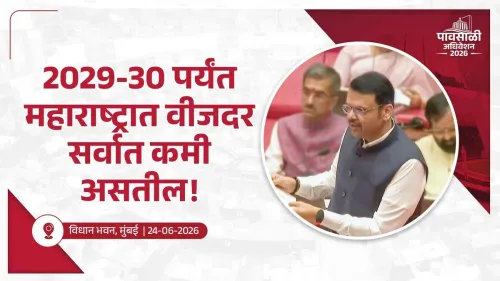
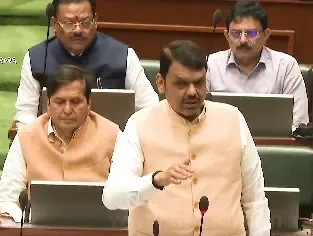
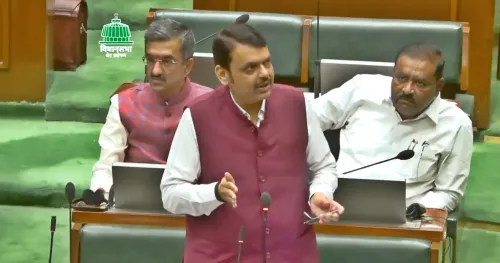
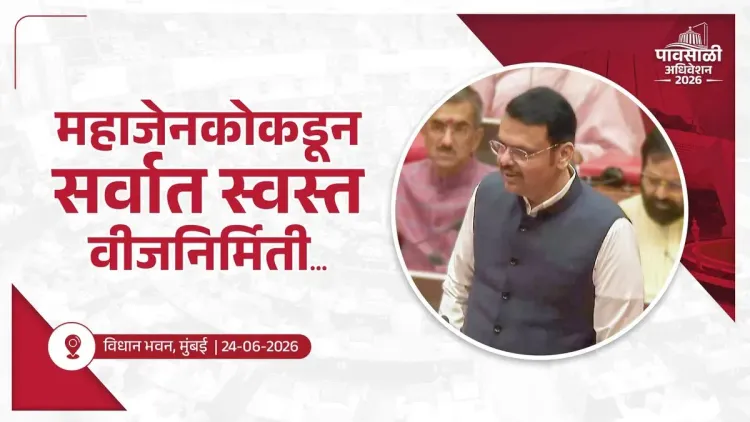
Maharashtra Chief Minister Devendra Fadnavis declared on 24 June 2026 that MAHAGENCO — the state-owned power generation utility — has produced the most cost-efficient electricity over the last three years, making the claim before the Maharashtra Legislative Council in Mumbai during the ongoing Monsoon Session 2026.
Context
Addressing the upper house of the state legislature, Fadnavis stated: 'मागील तीन वर्षांत महाजेनकोने सर्वाधिक किफायतशीर दरात वीज निर्मिती केली आहे' ['Over the last three years, MAHAGENCO has produced electricity at the most cost-efficient rates']. The assertion came as part of the government's defence of its power-sector management during the Monsoon Session, a period when legislative scrutiny of public utilities typically intensifies.
The Maharashtra Legislative Council, the state's upper house, serves as a key forum for the ruling dispensation to present performance data on state-run enterprises. Fadnavis, who holds the Chief Minister's post alongside significant political weight as a senior BJP leader, used the occasion to highlight what the government characterises as measurable progress in power generation economics.
Policy Backdrop
MAHAGENCO, formally the Maharashtra State Power Generation Company Limited, was carved out of the erstwhile Maharashtra State Electricity Board in 2005 as part of a broader restructuring that separated generation, transmission, and distribution into distinct entities. The reform was intended to improve operational accountability and cost discipline across the power supply chain.
The utility primarily operates thermal power plants and has historically been one of the larger state-generation companies in the country. Maharashtra meets its electricity demand through a mix of MAHAGENCO's own capacity and purchases from central and private generators, making the relative cost of in-house generation a significant variable in the overall power procurement bill.
Cost-efficiency in state power generation is closely linked to tariff proceedings before the Maharashtra Electricity Regulatory Commission (MERC), which periodically reviews generation costs when setting retail tariff orders. A sustained reduction in per-unit generation cost, if validated by regulatory filings, would carry direct implications for consumer tariffs.
Stakeholders and Impact
The primary beneficiaries of cost-efficient generation are Maharashtra's electricity consumers — both household and industrial — who bear the burden of retail tariffs that factor in procurement and generation costs. Industrial units, which account for a large share of the state's power consumption, are particularly sensitive to generation-cost trends given their impact on the cost of production.
State governments routinely present generation-cost data during legislative sessions to demonstrate fiscal prudence in the power sector. Fadnavis's statement follows this established pattern, signalling to both legislators and the regulatory ecosystem that MAHAGENCO's operational performance warrants recognition in future tariff deliberations.
What's Next
Attention will now turn to the Maharashtra Electricity Regulatory Commission's forthcoming tariff orders, which will either corroborate or complicate the government's cost-efficiency narrative with independently assessed generation-cost data. Any capacity-addition targets for MAHAGENCO are also expected to feature in the next state budget, making the utility's current cost trajectory a baseline against which future investments will be measured.
If the cost-efficiency gains are reflected in MERC's regulatory determinations, they could moderate upward pressure on retail electricity tariffs for consumers across Maharashtra — a politically significant outcome ahead of future electoral cycles.
Point of View
When opposition scrutiny peaks, suggests the government is pre-empting criticism of the power sector with data-backed assertions. The claim also sets a political benchmark: if MERC's independent tariff review does not validate the cost narrative, it could become a liability. More broadly, the statement fits a pattern of state governments using legislative sessions to build a regulatory and public case for favourable treatment of their utilities in upcoming tariff cycles.
NationPress
24 Jun 2026
Frequently Asked Questions
What did CM Fadnavis say about MAHAGENCO in the Maharashtra Legislative Council?
CM Devendra Fadnavis stated on 24 June 2026 that MAHAGENCO has produced the most cost-efficient electricity over the last three years, making the claim during the Monsoon Session 2026 in Mumbai.
What is MAHAGENCO and what does it do?
MAHAGENCO, or Maharashtra State Power Generation Company Limited, is a state-owned utility that primarily operates thermal power plants to generate electricity for Maharashtra. It was created in 2005 when the Maharashtra State Electricity Board was split into separate generation, transmission, and distribution companies.
How does MAHAGENCO's generation cost affect electricity bills in Maharashtra?
Generation cost is a key input in retail tariff calculations reviewed by the Maharashtra Electricity Regulatory Commission (MERC). If MAHAGENCO's per-unit cost falls, it can moderate upward pressure on consumer electricity tariffs for both households and industries.
What is the Maharashtra Monsoon Session 2026?
The Monsoon Session 2026 is the mid-year sitting of the Maharashtra state legislature, held in Mumbai, during which legislators debate government performance, pass legislation, and scrutinise public utilities and finances.
Will MAHAGENCO's cost efficiency lead to lower electricity tariffs in Maharashtra?
That depends on the Maharashtra Electricity Regulatory Commission's independent assessment in its next tariff order. If MERC validates the cost-efficiency data, it could help keep retail tariff increases in check for consumers across Maharashtra.