CM Fadnavis Pushes Governance Phase 3 Reforms Ahead of Aug 15
Synopsis
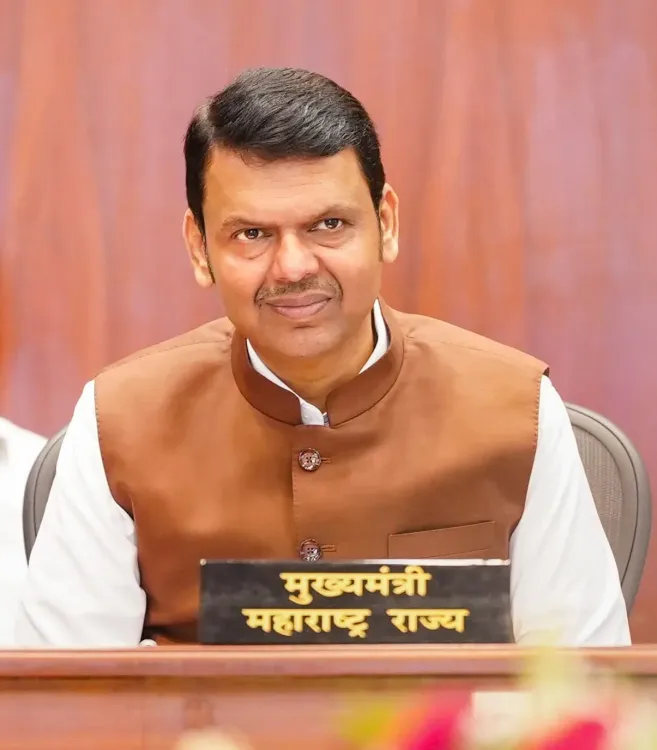
Chief Minister Devendra Fadnavis chaired a review of Maharashtra's Governance Process Re-engineering Phase 3 on 16 July 2026 at Sahyadri Guest House, Mumbai, directing all state departments to fast-track reforms so citizens can benefit by Independence Day, 15 August.
Key Takeaways
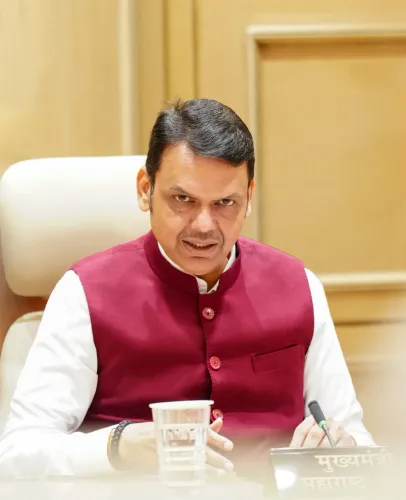
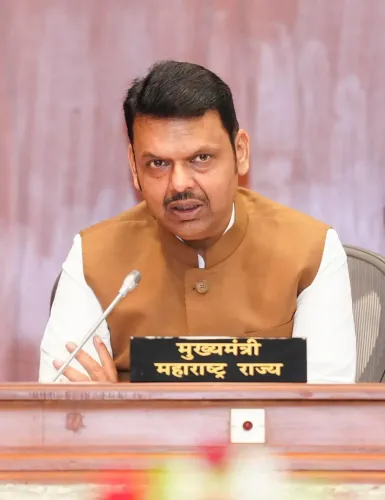
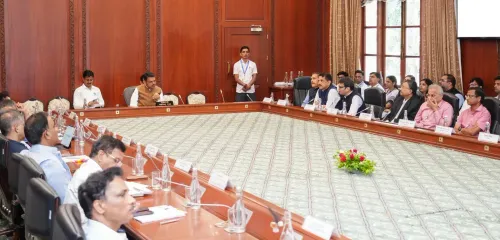
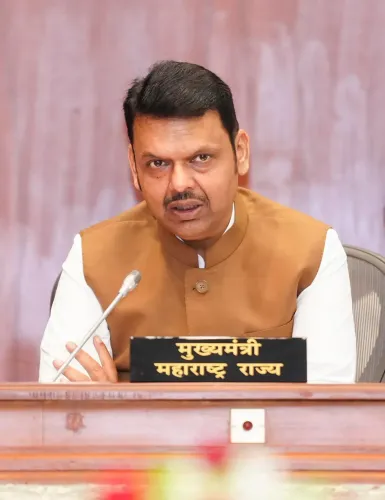
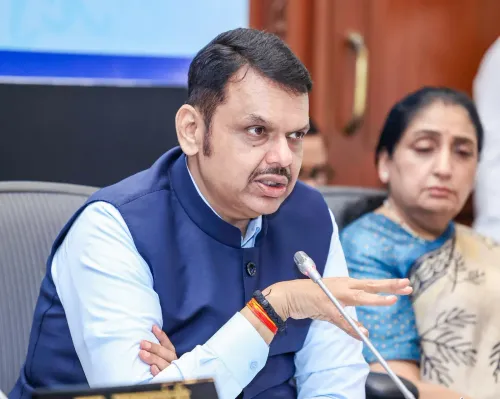
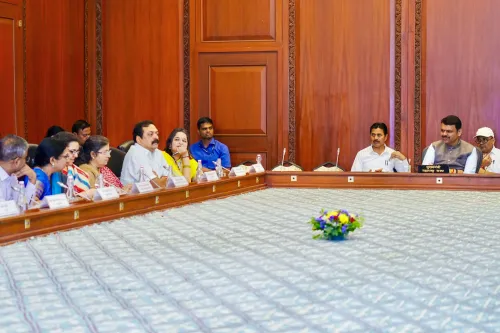
CM Devendra Fadnavis chaired the 'Governance Process Re-engineering — Phase 3' review meeting on 16 July 2026 at Sahyadri Guest House, Mumbai .
All state departments have been directed to accelerate reform implementation with a firm deadline of 15 August 2026 .
The goal is to ensure the maximum number of Maharashtra citizens benefit from ongoing government reforms before Independence Day.
Senior officials from across state departments were present at the meeting, indicating top-level monitoring of compliance.
Phase 3 is the latest stage in a multi-phase administrative reform programme with roots in Maharashtra's 2014–2019 governance initiatives.
The programme aligns with the national Digital India framework and mirrors similar exercises in states like Andhra Pradesh and Karnataka .
The Chief Minister's Office of Maharashtra announced on Thursday, 16 July 2026, that Chief Minister Devendra Fadnavis chaired a high-level review meeting on 'Governance Process Re-engineering — Phase 3' at Sahyadri Guest House, Mumbai, directing all state departments to accelerate their reform work so that the maximum number of citizens can benefit before 15 August 2026.
Context
The meeting, held at 1 pm on 16 July 2026, was attended by senior government officials across departments. CM Fadnavis issued explicit instructions — 'जास्तीत जास्त विभागांनी गतीने काम करण्याचे निर्देश' (directed that the maximum number of departments work swiftly) — underscoring the urgency of meeting the Independence Day deadline. The trilingual post in English, Marathi, and Hindi signals the administration's intent to communicate the reform push to Maharashtra's diverse population.
Policy Backdrop
Governance Process Re-engineering is a multi-phase administrative reform programme pursued by the Government of Maharashtra to digitise approvals, reduce red tape, curtail discretionary powers, and improve grievance redressal for citizens. The current exercise — Phase 3 — builds on earlier reform cycles that trace their lineage to the 2014–2019 Fadnavis government, which launched initial e-governance and citizen charter reforms across state departments. Maharashtra's phased approach mirrors similar governance re-engineering exercises undertaken in states such as Andhra Pradesh and Karnataka since the mid-2010s, all drawing on the national Digital India framework.
The choice of 15 August as a target date is deliberate: Independence Day provides a high-visibility moment for the state government to showcase citizen-facing service improvements, a practice common across Indian state administrations seeking to anchor reform milestones to national symbolism.
Stakeholders and Impact
The primary beneficiaries of Phase 3 are Maharashtra's citizens, who interact daily with state departments for services ranging from land records and permits to welfare scheme disbursements. Streamlined processes are expected to reduce turnaround times and lower the compliance burden on ordinary applicants. State government departments are the key implementing bodies; the review meeting format — with senior officials present — signals that the Chief Minister's Office is actively monitoring departmental compliance rather than leaving execution to routine bureaucratic channels.
For the broader governance ecosystem, a successful Phase 3 rollout could position Maharashtra as a benchmark for other large Indian states looking to reform legacy administrative processes at scale.
What's Next
All eyes will now be on department-wise compliance reports as the 15 August 2026 deadline approaches. Any new citizen-facing services or digital portals launched in the run-up to Independence Day will be the clearest indicator of Phase 3's on-ground impact. CM Fadnavis is expected to use the Independence Day address to highlight milestones achieved under the programme, making the next four weeks a critical window for Maharashtra's administrative machinery.
Point of View
Converting bureaucratic milestones into public-facing achievements. The trilingual communication in English, Marathi, and Hindi reflects a deliberate outreach strategy in a politically diverse state. Framing the meeting as a 'review' — with the Chief Minister personally directing pace — signals that Phase 3 has moved from design to execution under direct political oversight. Broader pattern: Indian chief ministers increasingly use governance digitisation as a reputational asset, and Maharashtra's phased approach, if it meets the August deadline, could strengthen Fadnavis's administrative credibility heading into future electoral cycles.
NationPress
16 Jul 2026
Frequently Asked Questions
What is Governance Process Re-engineering Phase 3 in Maharashtra?
Governance Process Re-engineering Phase 3 is the latest stage of Maharashtra's multi-phase administrative reform programme aimed at digitising approvals, reducing red tape, and improving citizen service delivery across state departments.
What is the deadline set by CM Fadnavis for the governance reforms?
CM Devendra Fadnavis has set 15 August 2026 — Independence Day — as the target for departments to complete their reform work so that the maximum number of citizens can benefit.
Where was the governance review meeting held?
The review meeting was held at Sahyadri Guest House, Mumbai , on 16 July 2026 at 1 pm, and was chaired by Chief Minister Devendra Fadnavis.
Who attended the Governance Process Re-engineering meeting in Maharashtra?
Senior government officials from across Maharashtra's state departments were present at the meeting chaired by CM Fadnavis.
How does Maharashtra's governance re-engineering compare to other states?
Maharashtra's phased governance re-engineering approach mirrors similar exercises undertaken in states like Andhra Pradesh and Karnataka since the mid-2010s, all aligned with the national Digital India framework.