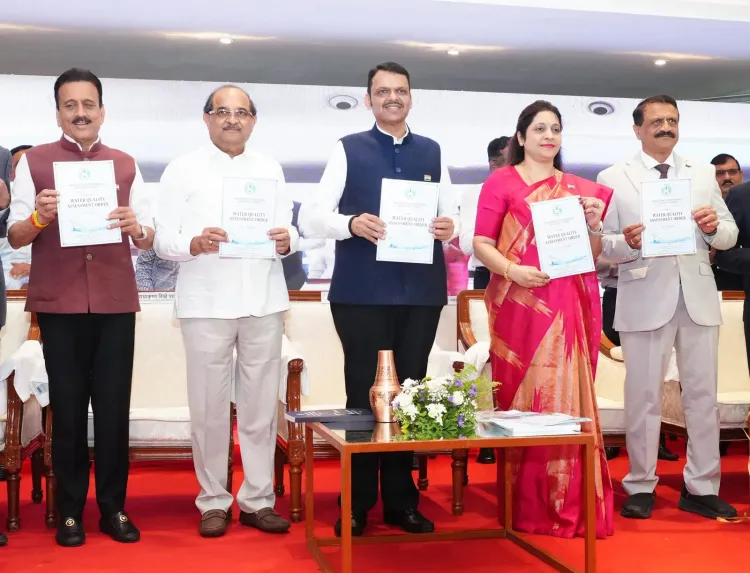
CM Fadnavis releases three MWRRA books on its Foundation Day
Synopsis
Chief Minister Devendra Fadnavis released three MWRRA publications on its Foundation Day in Mumbai — a Commemorative Compendium, a Technical Manual on non-irrigation water entitlements, and a Water Quality Assessment Order — strengthening Maharashtra's water regulation framework under the 2005 Act.
Key Takeaways
CM Devendra Fadnavis released three publications at the MWRRA Foundation Day in Mumbai on 13 August 2026 .
The Technical Manual on Criteria for Issuance of Water Entitlements for Non-Irrigation (Domestic and Industrial) Purposes provides a codified basis for water allocation decisions.
The Water Quality Assessment Order sets compliance standards for water supplied to domestic and industrial users.
A Commemorative Compendium was also released, marking MWRRA's institutional journey.
MWRRA was established under the Maharashtra Water Resources Regulatory Authority Act, 2005 to independently regulate surface water entitlements.
The publications are expected to guide upcoming entitlement decisions affecting industries, municipalities, and households across Maharashtra.
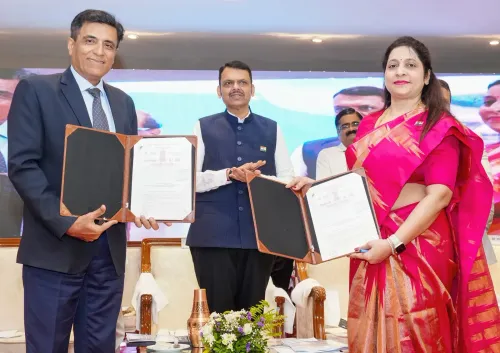
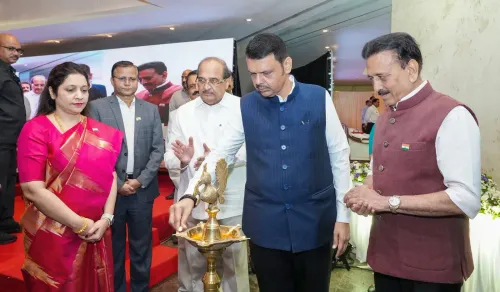
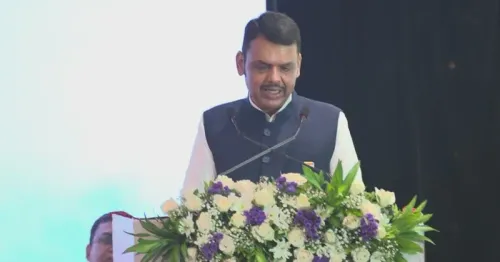
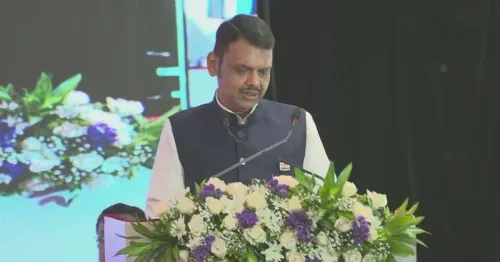
Three new publications on water regulation landed in Maharashtra's governance toolkit on Thursday, 13 August 2026, as Chief Minister Devendra Fadnavis released them at the Foundation Day of the Maharashtra Water Resources Regulatory Authority (MWRRA) in Mumbai — a quiet but consequential step in the state's long effort to bring order to its most contested resource.
The Chief Minister's Office of Maharashtra confirmed the release of three titles: a Commemorative Compendium marking the authority's journey, a Technical Manual on Criteria for Issuance of Water Entitlements for Non-Irrigation (Domestic and Industrial) Purposes, and a Water Quality Assessment Order. Together, they address the full chain of non-irrigation water governance — from who gets water, to whether that water is safe.
What MWRRA does — and why a technical manual matters now
MWRRA was established under the Maharashtra Water Resources Regulatory Authority Act, 2005 to create an independent framework for surface water entitlements — separating regulatory decisions from political ones. In a state that swings between flood and drought, that independence has always mattered. But independent institutions are only as strong as the rules they operate under.
The new Technical Manual fills a practical gap: it sets out the criteria by which domestic and industrial users can claim water entitlements, giving industries, municipalities, and households a clearer, codified basis for applications and decisions. The Water Quality Assessment Order adds a compliance dimension — not just who gets water, but what standard that water must meet.
Fadnavis, Vikhe-Patil, and Mahajan on the dais
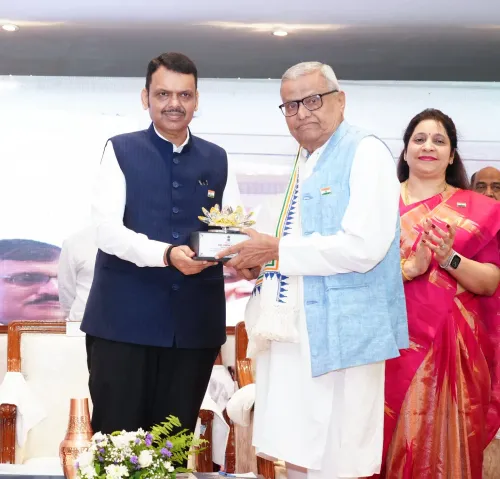
The event brought together CM Devendra Fadnavis alongside tagged officials @RVikhePatil and @girishdmahajan, signalling cross-departmental weight behind the releases. Fadnavis, who has anchored Maharashtra's administrative machinery across multiple terms, has consistently positioned water regulation as central to the state's development agenda — particularly as industrial corridors and urban agglomerations compete with agrarian districts for the same river basins.
Maharashtra's water stress is structural. The state's drought-prone interior, its water-intensive sugarcane belt, and its rapidly expanding industrial zones all draw from a shared surface-water pool. Successive governments have layered guidelines onto the 2005 Act framework; today's publications extend that lineage into sharper, more operational territory.
The real test comes next: whether MWRRA applies the new manual and quality order rigorously in upcoming entitlement decisions — or whether they join the shelf of well-intentioned documents that never quite reach the field.
Point of View
But procedural clarity is precisely what has been missing in Maharashtra's water governance for years — ambiguous criteria have historically left industrial and domestic applicants at the mercy of discretionary decisions. By anchoring new rules to MWRRA's Foundation Day, the Fadnavis government signals institutional continuity rather than ad hoc policymaking. The Water Quality Assessment Order is the more consequential document to watch: quality mandates create accountability trails that entitlement rules alone do not. Whether MWRRA has the enforcement capacity to act on both instruments will define whether this is a governance upgrade or a well-produced ceremony.
NationPress
13 Aug 2026
Frequently Asked Questions
What is MWRRA and what does it do?
MWRRA — the Maharashtra Water Resources Regulatory Authority — is an independent body established under the Maharashtra Water Resources Regulatory Authority Act, 2005. It regulates the allocation and entitlement of surface water across irrigation, domestic, and industrial uses in Maharashtra.
What books did CM Fadnavis release at the MWRRA Foundation Day?
CM Devendra Fadnavis released three publications: a Commemorative Compendium, a Technical Manual on Criteria for Issuance of Water Entitlements for Non-Irrigation (Domestic and Industrial) Purposes, and a Water Quality Assessment Order.
What is the Technical Manual on Water Entitlements about?
The Technical Manual sets out the criteria by which domestic and industrial users can apply for and receive water entitlements from MWRRA, providing a codified, transparent basis for regulatory decisions on non-irrigation water use.
Why does Maharashtra need a Water Quality Assessment Order?
Maharashtra's water bodies face pressure from industrial discharge and agricultural runoff. A Water Quality Assessment Order establishes standards and a compliance framework to ensure water supplied for domestic and industrial purposes meets defined quality benchmarks.
When was the MWRRA Foundation Day event held?
The MWRRA Foundation Day event at which CM Fadnavis released the three publications was held on Thursday, 13 August 2026, in Mumbai.