CM Rekha Gupta Launches 137 EVs, AB Cabling in Shalimar Bagh
Synopsis
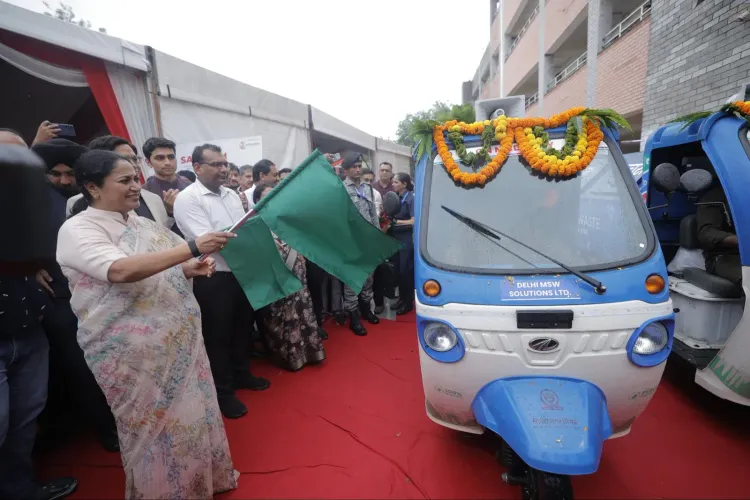
Delhi Chief Minister Rekha Gupta launched 137 electric primary waste collection vehicles and an AB cable conversion project in Shalimar Bagh on 9 July 2026, citing PM Modi's Viksit Bharat vision as the guiding framework for the twin urban infrastructure drives.
Key Takeaways
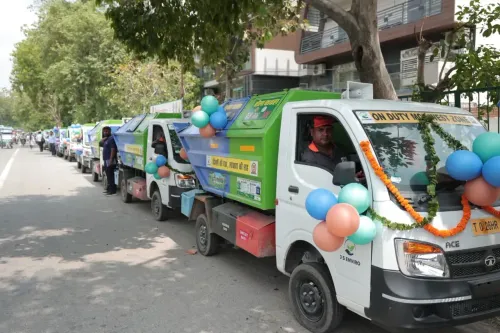
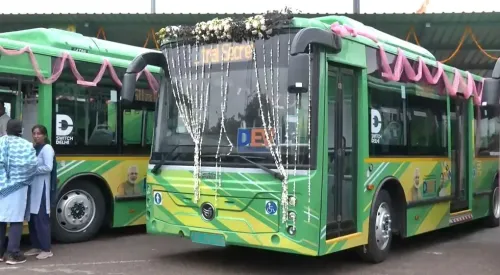
137 electric primary waste collection vehicles were deployed for door-to-door garbage collection across four zones in Shalimar Bagh.
The AB Cable conversion project was inaugurated to replace open overhead wires with safer aerial bundled conductors in various Shalimar Bagh blocks.
Both initiatives were framed by CM Rekha Gupta as part of PM Narendra Modi's Viksit Bharat roadmap.
The electric vehicle fleet aligns with national goals to reduce diesel use in urban municipal services.
AB cabling is expected to cut electrocution risks and power outages, particularly during the monsoon season.
Phased deployment timelines and zone-wise operational data for the vehicles are yet to be made public.
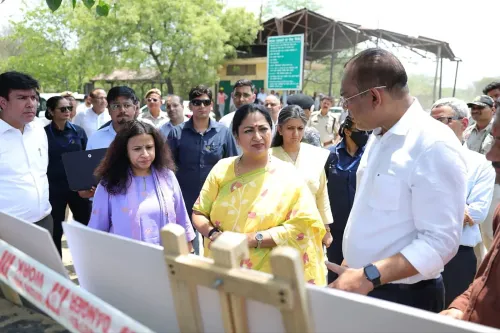
Delhi Chief Minister Rekha Gupta on Thursday, 9 July 2026, launched two urban infrastructure initiatives in the Shalimar Bagh assembly constituency — deploying 137 electric primary waste collection vehicles for door-to-door garbage collection and inaugurating the conversion of open overhead wires to Aerial Bundled (AB) Cables across several blocks of the area.
Context
Announcing the twin drives on social media, CM Gupta stated that the 137 electric vehicles would be 'दिल्लीवासियों की सेवा में समर्पित' ('dedicated to the service of Delhi residents') and would operate across four zones, collecting waste from households to strengthen the city's sanitation network. She added that the AB cabling work in Shalimar Bagh's various blocks would make electricity supply 'more secure, organised, and uninterrupted.' The Chief Minister framed both initiatives as aligned with Prime Minister Narendra Modi's Viksit Bharat (Developed India) vision.
Policy Backdrop
The deployment of electric waste collection vehicles builds on the framework of the Swachh Bharat Mission, launched in 2014, which mandated door-to-door collection and mechanised sanitation in urban areas. The shift to electric vehicles also reflects a broader central push to reduce diesel dependency in urban logistics and lower the carbon footprint of municipal services.
The AB Cable conversion has precedent in National Electricity Policy reforms dating to 2005, which encouraged urban distribution companies to replace bare overhead conductors with bundled aerial cables to cut electrocution risks, power theft, and outage frequency. BJP-ruled states and municipal bodies have accelerated similar cabling drives since 2017 as part of urban infrastructure upgrades.
Stakeholders and Impact
The primary beneficiaries are residents of Shalimar Bagh in northwest Delhi, who will see more regular and mechanised household waste pickup across the four operational zones. The electric fleet is expected to reduce noise and emissions compared with diesel-run collection vehicles currently in use in parts of the city.
On the power side, households and commercial establishments in the targeted blocks stand to benefit from reduced risk of electrocution from sagging bare wires — a recurring hazard during monsoon months — as well as fewer outages caused by wire-to-wire faults. The broader Delhi distribution network could also see a reduction in aggregate technical and commercial losses once bundled cabling is extended further.
What's Next
Attention will now turn to the phased rollout of the 137 vehicles across the four designated zones and the timeline for completing AB cabling in the remaining blocks of Shalimar Bagh. The Delhi government has not yet specified a completion date for either project. If the electric vehicle fleet and cabling programme are scaled city-wide, they could serve as a template for similar upgrades across other assembly constituencies under the #ViksitDelhi agenda that CM Gupta has publicly championed.
Point of View
Photogenic constituency-level deliverables. By anchoring both projects to the Viksit Bharat framework, CM Gupta is deliberately connecting local civic work to the Prime Minister's national narrative — a political alignment that serves both Delhi governance credibility and party messaging ahead of any future electoral cycle. The choice of electric vehicles over diesel alternatives also signals an attempt to occupy the 'green governance' space that previous Delhi administrations had claimed. Whether the 137-vehicle fleet and the cabling work translate into measurable service improvements will depend entirely on the speed and coverage of phased rollout.
NationPress
8 Oct 2026
Frequently Asked Questions
What did Delhi CM Rekha Gupta launch in Shalimar Bagh?
Delhi CM Rekha Gupta launched 137 electric primary waste collection vehicles for door-to-door garbage pickup across four zones, and inaugurated the conversion of open overhead wires to Aerial Bundled (AB) Cables in Shalimar Bagh on 9 July 2026.
What is an AB Cable and why is it being installed in Delhi?
AB Cable stands for Aerial Bundled Cable — insulated conductors bundled together and strung overhead to replace bare open wires. It reduces the risk of electrocution, power theft, and outages caused by wire-to-wire contact, especially during monsoon rains.
How many electric waste vehicles were deployed in Shalimar Bagh?
137 electric primary waste collection vehicles were deployed, set to operate across four zones in the Shalimar Bagh assembly constituency for door-to-door household garbage collection.
What is the Viksit Bharat vision that CM Gupta referenced?
Viksit Bharat, or 'Developed India,' is PM Narendra Modi's policy framework aimed at transforming India into a fully developed nation by 2047, with modern infrastructure, improved public services, and economic growth as its pillars.
Which areas of Shalimar Bagh will benefit from the AB cabling project?
CM Rekha Gupta's announcement mentioned 'various blocks' of Shalimar Bagh, though a block-by-block rollout schedule and completion timeline have not yet been publicly specified by the Delhi government.