CM Rekha Gupta Marks 6 Years of PM SVANidhi for Delhi Vendors
Synopsis
Delhi Chief Minister Rekha Gupta marked six years of PM SVANidhi on 1 June 2026, praising the scheme's collateral-free micro-credit and digital payment integration for the capital's street vendors, and linking the welfare programme to PM Modi's Atmanirbhar Bharat vision.
Key Takeaways
PM SVANidhi completed six years on 1 June 2026 , having been launched on 1 June 2020 .
The scheme provides collateral-free working-capital loans of up to Rs 10,000 to urban street vendors.
Delhi CM Rekha Gupta highlighted that Delhi's street vendors are receiving direct and continuous benefit from the scheme.
The scheme incentivises digital transactions, integrating vendors into formal financial infrastructure.
PM SVANidhi was part of the Atmanirbhar Bharat stimulus launched in response to COVID-19 lockdown disruptions.
Vendors who repay on time become eligible for higher loan tranches, building a formal credit history.
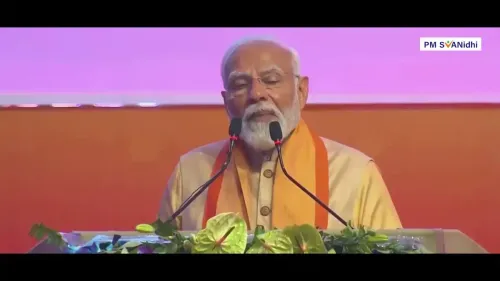
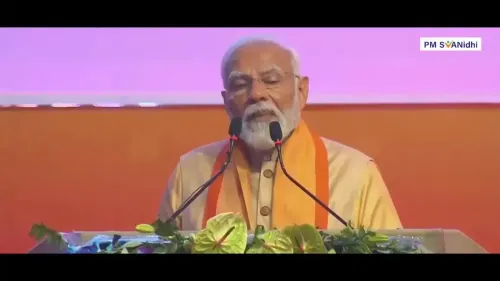
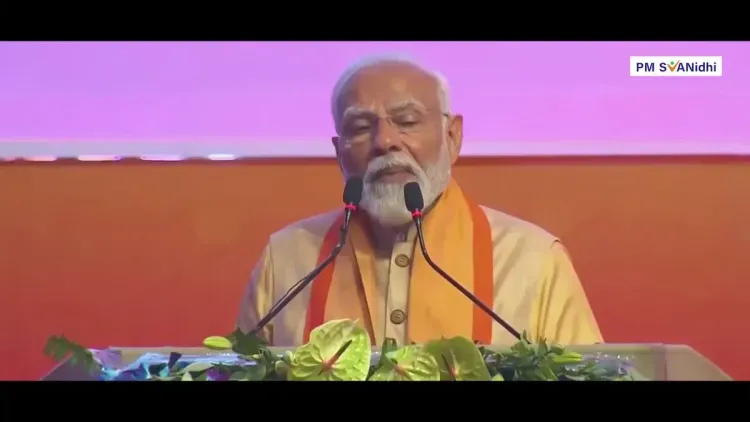
Delhi Chief Minister Rekha Gupta on Monday, 1 June 2026 marked the sixth anniversary of the PM SVANidhi scheme, crediting Prime Minister Narendra Modi's leadership for bringing the capital's street vendors into the economic mainstream through collateral-free micro-credit and digital payments.
Context
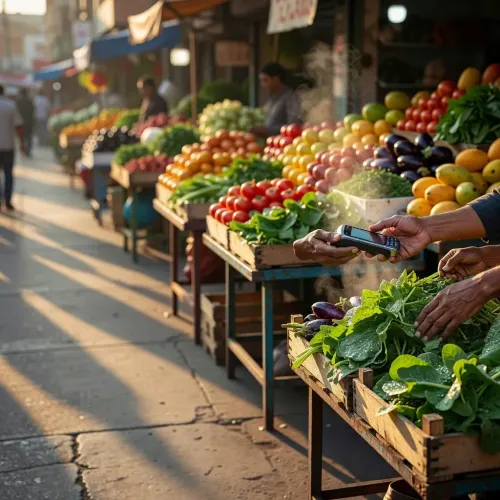
Posting in Hindi on 1 June 2026, CM Gupta wrote that under Modi's 'visionary leadership,' rehrhi-patri wale bhai-behon [street-vendor brothers and sisters] have received easy loans without any guarantee, giving new strength to their self-respect and self-reliance. She noted that vendors selling vegetables, fruit, tea, and other small goods are connecting with the 'digital revolution' and moving forward with dignity.
The Chief Minister also underlined that Delhi's hardworking street vendors are receiving direct and continuous benefit from the central government's welfare scheme, strengthening their livelihoods and bringing prosperity to their lives.
Policy Backdrop
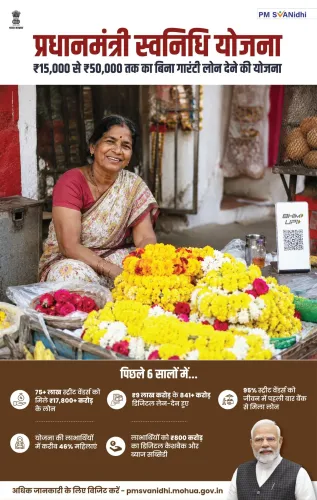
PM SVANidhi — the PM Street Vendor's AtmaNirbhar Nidhi scheme — was launched by the Ministry of Housing and Urban Affairs on 1 June 2020 as part of the Atmanirbhar Bharat stimulus package. It was designed to provide working-capital loans of up to Rs 10,000 to urban street vendors whose livelihoods had been disrupted by COVID-19 lockdowns, with no collateral required.
The scheme subsequently expanded its credit ladder, allowing vendors who repay on time to access higher loan tranches. A key feature has been the incentivisation of digital transactions, integrating vendors into formal payment infrastructure and credit histories for the first time.
Stakeholders and Impact
Street vendors — selling everything from vegetables and fruit to chai and household goods — represent a significant slice of Delhi's urban informal economy. The scheme targets this segment directly, aiming to replace dependence on informal moneylenders with institutional credit at regulated rates.
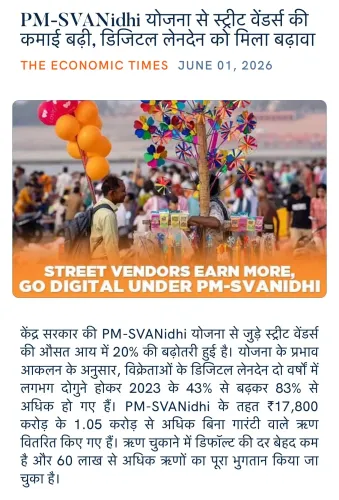
By linking loan eligibility to digital payment records, PM SVANidhi has also served as an on-ramp to broader financial inclusion, giving vendors a verifiable transaction history that can support future borrowing. CM Gupta's post emphasises that this dual benefit — credit access plus digital formalisation — is now visible on Delhi's streets.
What's Next
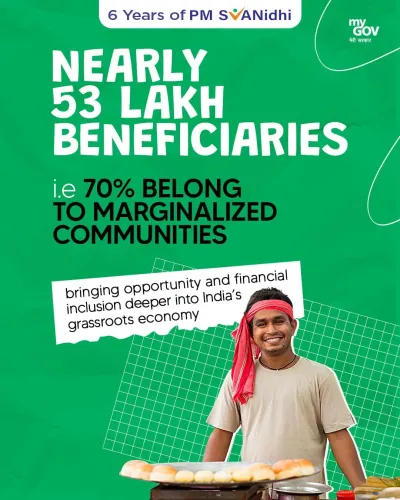
The scheme's sixth anniversary is likely to prompt the Ministry of Housing and Urban Affairs to release updated performance data, including national and city-level beneficiary counts and loan disbursement figures. Parliamentary scrutiny of loan recovery rates and vendor coverage gaps in large cities like Delhi is also expected.
For the BJP-led Delhi government, the anniversary offers a platform to align state-level outreach with the Centre's welfare narrative ahead of ongoing urban local-body work — reinforcing the party's positioning on economic dignity for the informal sector.
Point of View
The messaging frames a financial product as a social compact — consistent with the party's broader effort to position the informal sector as a beneficiary, not a bystander, of economic policy. The emphasis on digital integration is particularly pointed: it signals that formalisation of the urban informal economy is a deliberate policy arc, not an accidental outcome. As Delhi consolidates under BJP governance, expect the SVANidhi anniversary to become a recurring mobilisation moment for outreach to the city's large vendor community.
NationPress
20 Sept 2026
Frequently Asked Questions
What is PM SVANidhi scheme?
PM SVANidhi is a central government scheme launched on 1 June 2020 by the Ministry of Housing and Urban Affairs to provide collateral-free working-capital loans of up to Rs 10,000 to urban street vendors, with incentives for digital transactions and higher loan tranches for timely repayment.
Who launched PM SVANidhi and when?
PM SVANidhi was launched by the Government of India under Prime Minister Narendra Modi on 1 June 2020 as part of the Atmanirbhar Bharat stimulus package to support street vendors affected by COVID-19 lockdowns.
What did Delhi CM Rekha Gupta say about PM SVANidhi?
On 1 June 2026, Delhi Chief Minister Rekha Gupta said that PM SVANidhi has provided easy, collateral-free loans to street vendors over the past six years, strengthening their self-reliance and connecting them to the digital economy, with Delhi's vendors among the direct beneficiaries.
How does PM SVANidhi help street vendors in Delhi?
The scheme gives Delhi's street vendors access to institutional micro-credit without collateral, reducing dependence on informal moneylenders. It also incentivises digital payments, helping vendors build a formal transaction history that can support future borrowing.
What is the loan amount under PM SVANidhi?
Under PM SVANidhi, street vendors can initially access working-capital loans of up to Rs 10,000 without any collateral. Vendors who repay on time become eligible for higher loan tranches in subsequent cycles.