CM Hemant Soren Honours Birsa Munda on 151st Jayanti
Synopsis
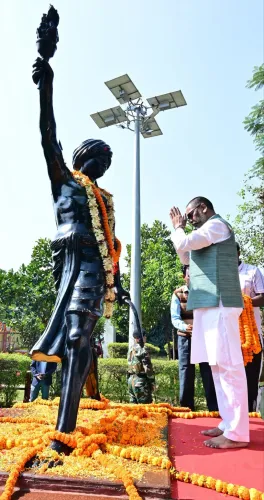
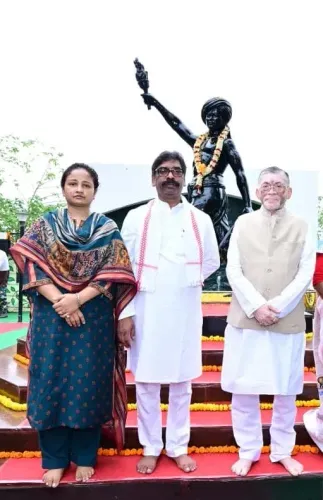
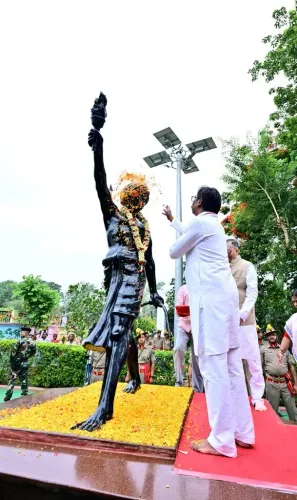
Chief Minister Hemant Soren paid floral tributes to Birsa Munda at Birsa Chowk, Ranchi on 15 November 2026, marking the tribal icon's 151st birth anniversary and Jharkhand's 26th Foundation Day — a date twinned by design to honour the state's tribal roots.
Key Takeaways
CM Hemant Soren offered floral tributes at Birsa Munda 's statue at Birsa Chowk, Ranchi on 15 November 2026 .
The day marks both Birsa Munda's 151st birth anniversary and Jharkhand's 26th Foundation Day .
The date 15 November was chosen in 2000 specifically to link the new state's founding to Birsa Munda's legacy.
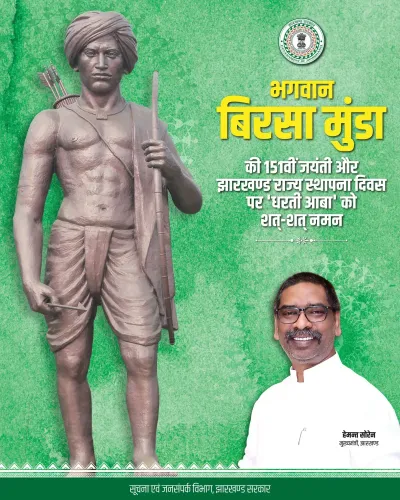
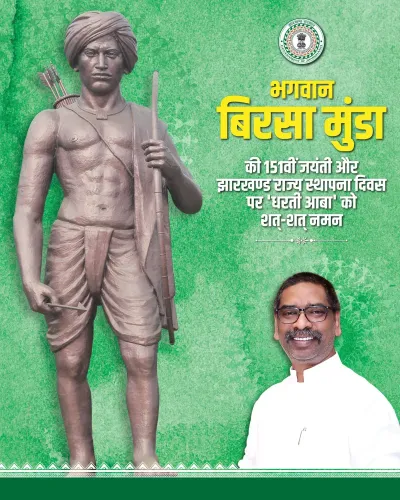
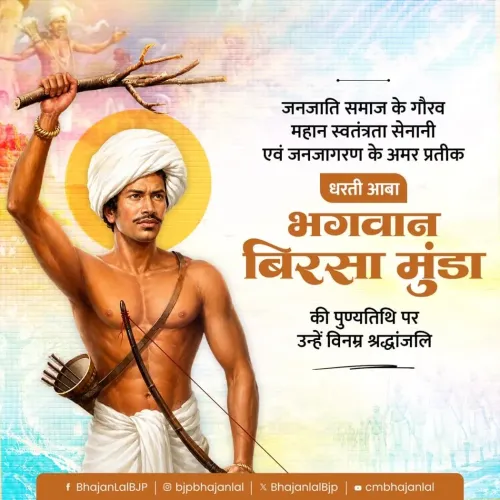
Birsa Munda, known as Dharti Aaba , led the Ulgulan uprising against British land policies in the late 19th century and died in 1900 at age 25 .
Annual tributes at Birsa Chowk are a core state protocol, carrying particular weight for the JMM -led government given the party's tribal-identity mandate.
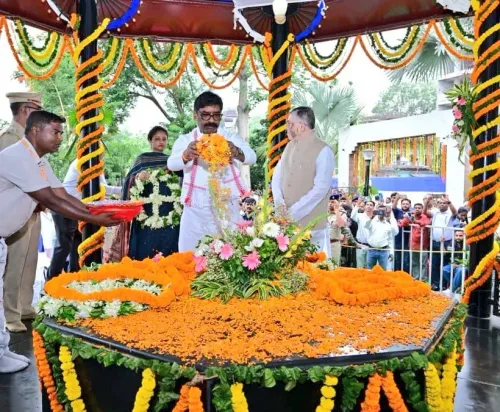
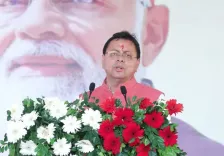
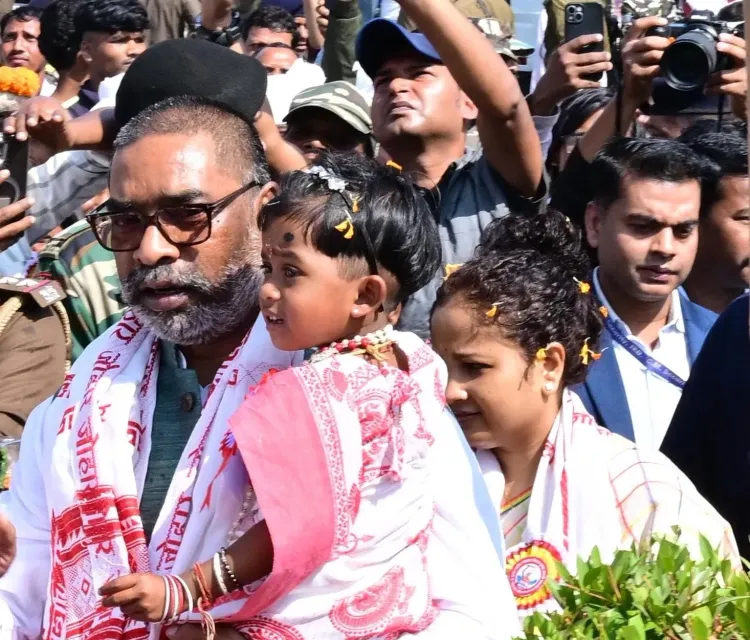
On the day Jharkhand turns 26, its Chief Minister knelt before the man who made the state's very existence imaginable. Chief Minister Hemant Soren paid floral tributes at the statue of Birsa Munda at Birsa Chowk, Ranchi, on Sunday, 15 November 2026, marking both the 151st birth anniversary of the tribal freedom fighter and the state's 26th Foundation Day.
The Chief Minister's Office of Jharkhand shared the moment on X, posting: 'धरती आबा भगवान बिरसा मुंडा की 151वीं जयंती एवं झारखण्ड राज्य स्थापना दिवस के अवसर पर मुख्यमंत्री श्री Hemant Soren ने बिरसा चौक, रांची स्थित धरती आबा की प्रतिमा पर श्रद्धासुमन अर्पित कर उन्हें नमन किया।' — 'On the occasion of the 151st birth anniversary of Dharti Aaba Bhagwan Birsa Munda and Jharkhand State Foundation Day, Chief Minister Shri Hemant Soren paid floral tributes at the statue of Dharti Aaba at Birsa Chowk, Ranchi.'
Why 15 November carries a double weight in Jharkhand
The convergence of these two observances on a single date is no accident of the calendar. When the Government of India carved Jharkhand out of southern Bihar on 15 November 2000, the date was chosen deliberately — to anchor the new state's identity to Birsa Munda, born on this day in 1875. That act of naming encoded a promise: that the state belonged, above all, to its tribal people.
Birsa Munda, revered across the Chotanagpur plateau by the honorific 'Dharti Aaba' (Father of the Earth), led the Ulgulan — the Great Tumult — a fierce armed uprising against British colonial land policies in the late 19th century. He died in 1900, aged just 25, yet the rebellion he ignited reshaped land rights for tribal communities and seeded the long demand for a separate homeland that would eventually become Jharkhand.
Soren's tribute and the JMM's tribal compact
Hemant Soren, a senior leader of the Jharkhand Mukti Morcha (JMM), has made the annual homage at Birsa Chowk a defining ritual of his administration. For JMM — a party whose very founding mission was tribal self-determination — the Jayanti-cum-Foundation Day is as much political covenant as cultural commemoration. Every successive Jharkhand government, regardless of party, has maintained the practice of marking this day publicly, but the ceremony carries particular resonance for a JMM-led government rooted in Munda country.
Jharkhand's 26 districts hold some of India's densest concentrations of Scheduled Tribe populations, and the state's political arithmetic runs through that demographic reality. The tableau at Birsa Chowk — a Chief Minister at the foot of a freedom fighter's statue — is an image the state's tribal communities read with acute attention each year.
As Jharkhand steps into its 27th year, the promise embedded in that founding date continues to set the standard by which the state's leaders are measured.
Point of View
Whose ideological DNA runs through the tribal self-determination movement, the ceremony at Birsa Chowk is a reaffirmation of the party's founding contract with Jharkhand's Scheduled Tribe communities. Successive governments of all stripes have maintained the ritual, but Soren's JMM carries the added weight of claiming direct ideological descent from that tradition. As Jharkhand enters its 27th year, the degree to which the state's tribal welfare outcomes match the symbolism on display at Birsa Chowk will continue to be the defining measure of any government's credibility here.
NationPress
15 Nov 2026
Frequently Asked Questions
Why is Jharkhand Foundation Day celebrated on 15 November?
15 November was chosen as Jharkhand's Foundation Day in 2000 because it coincides with the birth anniversary of tribal freedom fighter Birsa Munda , symbolically anchoring the new state's identity to its tribal heritage.
Who is Birsa Munda and why is he called Dharti Aaba?
Birsa Munda (1875–1900) was a Munda tribal leader who led the Ulgulan uprising against British land exploitation in the Chotanagpur plateau. He is revered by the honorific Dharti Aaba , meaning 'Father of the Earth', for his role in defending tribal land rights.
What did CM Hemant Soren do on Birsa Munda Jayanti 2026?
CM Hemant Soren paid floral tributes at Birsa Munda 's statue at Birsa Chowk, Ranchi on 15 November 2026 , marking the icon's 151st birth anniversary and Jharkhand's 26th Foundation Day .
How old was Jharkhand in 2026?
Jharkhand turned 26 years old on 15 November 2026 , having been formed on 15 November 2000 when it was carved out of southern Bihar.
What was the Ulgulan rebellion led by Birsa Munda?
The Ulgulan , meaning 'Great Tumult', was an armed tribal uprising led by Birsa Munda in the late 19th century against British colonial land policies in the Chotanagpur plateau. It significantly influenced land rights for tribal communities in the region.