CM Himanta calls for united front against drugs on UN Day
Synopsis
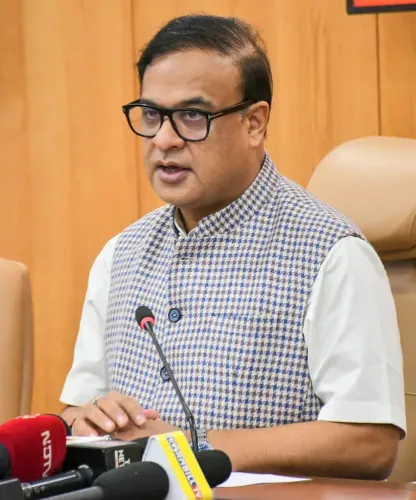
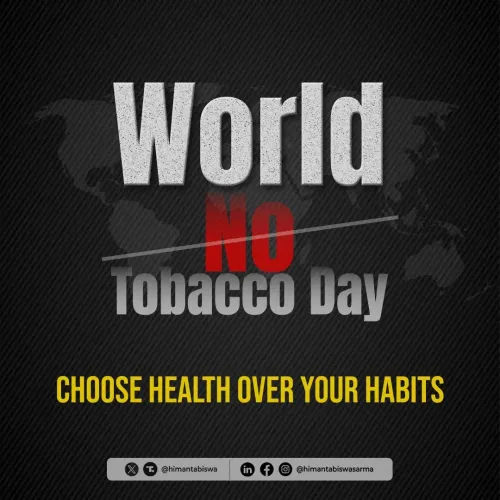
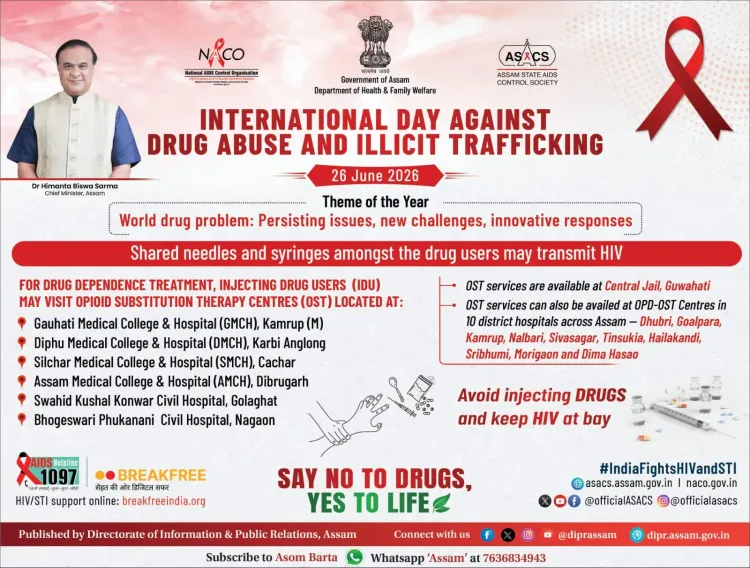
On the UN International Day Against Drug Abuse, the Assam CMO shared Chief Minister Dr. Himanta Biswa Sarma's call for citizens to stand united against narcotics, anchoring the state's drug-free vision in informed choices and collective responsibility.
Key Takeaways
The Chief Minister's Office of Assam marked the International Day Against Drug Abuse and Illicit Trafficking on 26 June 2026 with a message from CM Dr.
Himanta Biswa Sarma .
The CM urged citizens to stand united against the drug menace and build a 'healthier, safer and more prosperous Assam.' The UN observance was established by a General Assembly resolution in 1987 and is marked globally each year on 26 June .
Assam borders Myanmar and Bangladesh , placing it on active cross-border drug trafficking routes.
India's NDPS Act, 1985 and the National Action Plan for Drug Demand Reduction (2014) form the policy backbone for state-level anti-narcotics efforts.
Upcoming Assam drug-seizure and rehabilitation data will be a key indicator of on-ground progress.
The Chief Minister's Office of Assam on 26 June 2026, the International Day Against Drug Abuse and Illicit Trafficking, shared a message from Chief Minister Dr. Himanta Biswa Sarma urging citizens across the state to stand united against the drug menace and work collectively toward a healthier, safer, and more prosperous Assam.
Context
The International Day Against Drug Abuse and Illicit Trafficking is observed annually on 26 June, established by a United Nations General Assembly resolution in 1987 to galvanise global awareness and coordinated action against narcotics. The CMO's post framed the occasion around informed individual choices and collective civic responsibility, quoting the Chief Minister's call for a 'drug-free Assam.'
Assam, a northeastern Indian state sharing borders with Myanmar and Bangladesh, sits along well-documented cross-border drug trafficking corridors, making anti-narcotics messaging particularly resonant for the state's communities.
Policy Backdrop
India's foundational legislative framework on narcotics is the Narcotic Drugs and Psychotropic Substances (NDPS) Act, 1985, which governs production, trafficking, and consumption of controlled substances. At the central level, the National Action Plan for Drug Demand Reduction, launched in 2014 and subsequently revised, coordinates awareness campaigns and rehabilitation infrastructure across states.
Dr. Himanta Biswa Sarma, who has served as Chief Minister since May 2021 and previously held the state's health and finance portfolios, has consistently positioned anti-drug drives as a public-health and law-enforcement priority. Assam's approach mirrors the broader northeastern strategy of combining supply interdiction by police with community-level demand reduction.
Stakeholders and Impact
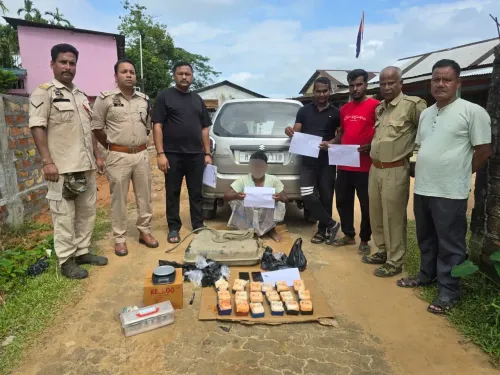
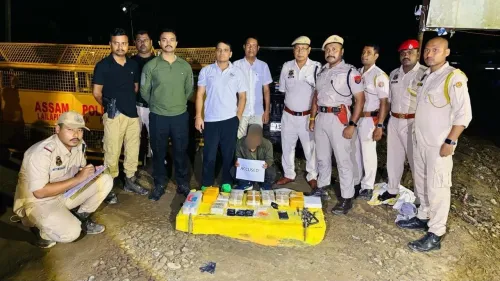
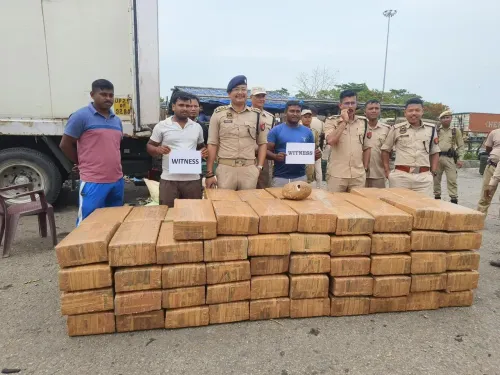
The primary stakeholders in Assam's anti-drug push are the state's youth population, border communities in districts adjoining Myanmar and Bangladesh, and the Assam Police which conducts narcotics seizure operations. De-addiction centres funded through central and state schemes serve as the rehabilitation backbone for those already affected.
The CMO's messaging on this UN observance reinforces the state government's dual emphasis: deterring new users through awareness and supporting recovery for existing ones. Community vigilance, as the post underlines, is presented as an equal partner to enforcement action.
What's Next
Observers will watch for the release of Assam's annual drug-seizure and rehabilitation data and any updates to the state's action plan that may follow this high-visibility observance. Sustained follow-through — in the form of expanded de-addiction infrastructure and border surveillance — will determine how far the government's stated vision of a drug-free Assam translates into measurable outcomes.
Point of View
' the Sarma administration signals a demand-reduction posture that complements its well-publicised enforcement record. The appeal to community vigilance is consistent with a broader northeastern governance pattern where state capacity alone cannot seal porous borders. Whether this messaging translates into fresh policy commitments or expanded rehabilitation infrastructure will be the real test of intent.
NationPress
26 Jun 2026
Frequently Asked Questions
Why is 26 June observed as the International Day Against Drug Abuse?
The United Nations General Assembly established 26 June as the International Day Against Drug Abuse and Illicit Trafficking in 1987 to raise global awareness and promote action against narcotics abuse and trafficking.
What did Assam CM Himanta Biswa Sarma say on the anti-drug day 2026?
CM Dr. Himanta Biswa Sarma urged Assam citizens to stand united against the drug menace, emphasising informed choices and collective responsibility as the path to a healthier, safer, and more prosperous state.
Why is Assam particularly vulnerable to drug trafficking?
Assam shares borders with Myanmar and Bangladesh , both of which are linked to major narcotics supply chains, making the state a transit and consumption point along cross-border drug routes.
What is India's main law against drug trafficking?
India's primary legislation is the Narcotic Drugs and Psychotropic Substances (NDPS) Act, 1985 , which regulates and penalises the production, trafficking, and consumption of controlled substances.
What is the National Action Plan for Drug Demand Reduction?
The National Action Plan for Drug Demand Reduction was launched in 2014 by the Ministry of Social Justice and Empowerment to coordinate awareness campaigns, treatment, and rehabilitation efforts across Indian states.