CM Himanta outlines Assam growth roadmap, Matcha tea push
Synopsis
Chief Minister Himanta Biswa Sarma used a Facebook Live on 16 July 2026 to outline Assam's growth roadmap, announcing Japanese Matcha tea cultivation, 2 lakh job creation, irrigation expansion, and continued delivery of flagship welfare schemes including Orunodoi, Nijut Moina, and Nijut Babu.
Key Takeaways
CM Himanta Biswa Sarma outlined Assam's growth roadmap during a Facebook Live session on 16 July 2026 .
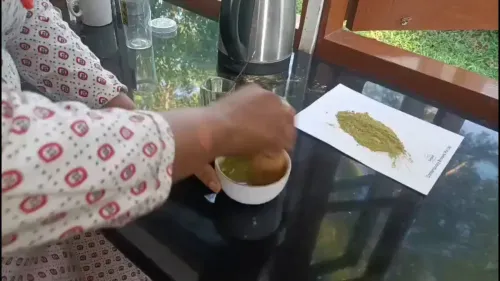
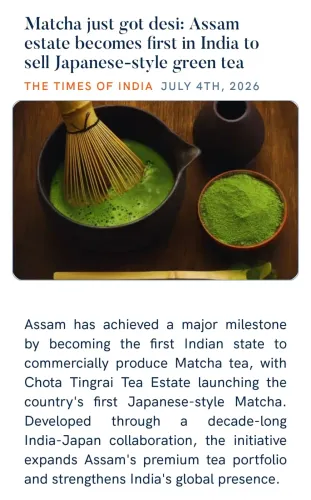
The government announced a new initiative to cultivate Japanese Matcha tea in Assam, marking a significant diversification from the state's traditional black tea identity.
The Chief Minister pledged to create 2 lakh employment opportunities as part of the roadmap.
Agriculture strengthening and irrigation expansion were reaffirmed as core government priorities.
Flagship welfare schemes — Orunodoi , Nijut Moina , and Nijut Babu — were cited as central to the social protection agenda.
Details on Matcha pilot sites and employment targets are expected through upcoming budget or assembly session announcements.
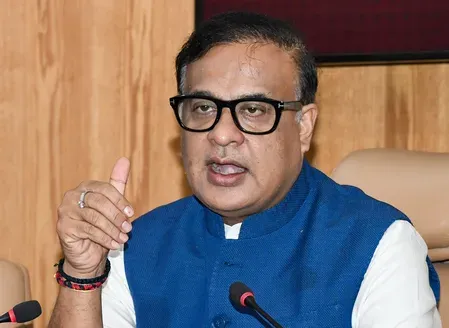
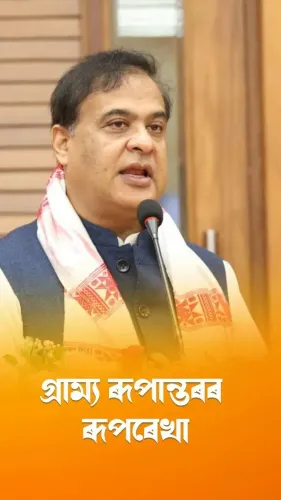
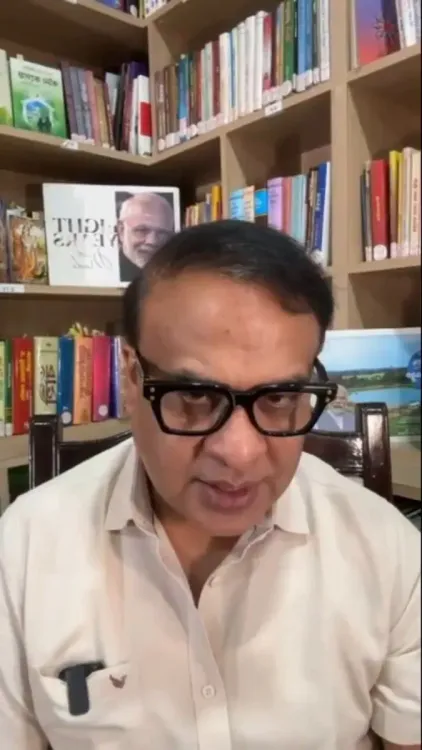
The Chief Minister's Office of Assam announced on Thursday, 16 July 2026 that Chief Minister Dr. Himanta Biswa Sarma used a Facebook Live session to lay out the state's growth roadmap, spotlighting a new initiative to cultivate traditional Japanese Matcha tea in Assam.
Context
Speaking directly to citizens through the live session, CM Himanta Biswa Sarma reaffirmed the government's commitment to five priority areas: strengthening agriculture, expanding irrigation infrastructure, building a greener Assam, generating 2 lakh employment opportunities, and ensuring effective delivery of flagship welfare schemes. The Facebook Live format reflects the government's use of direct digital outreach to communicate policy priorities without intermediaries.
Among the most notable announcements was the state's intent to cultivate Japanese Matcha tea — a high-value, premium green tea variety — positioning Assam as a potential producer in a segment currently dominated by Japan. If realised, this would represent a significant diversification for a state whose tea identity has historically been defined by robust, malty black teas.
Policy Backdrop
Assam's economy has long been anchored in tea, petroleum, and agriculture. Since CM Himanta Biswa Sarma assumed office in May 2021, the government has consistently listed agricultural diversification and irrigation expansion among its top priorities. The Matcha cultivation push fits squarely within that broader diversification agenda, targeting premium global markets rather than competing on volume alone.
The welfare schemes highlighted by the Chief Minister have deep roots in the state's social policy. Orunodoi, launched in October 2020, provides monthly direct cash transfers to eligible women and has become one of the most visible programmes of the current administration. Nijut Moina and Nijut Babu were also cited as part of the government's flagship welfare delivery framework, underscoring the administration's dual focus on economic growth and social protection.
Stakeholders and Impact
The roadmap touches several distinct constituencies. Tea growers and agricultural communities stand to benefit most directly from the Matcha cultivation initiative and irrigation expansion, which could reduce dependence on monsoon rainfall and open new revenue streams. Women beneficiaries under Orunodoi and related schemes represent a large and politically significant group whose welfare the government has repeatedly pledged to protect.
Youth are the primary target of the 2 lakh employment pledge, a figure the government has tied to its broader ambition of reducing out-migration from the Northeast. Assam has historically seen young people move to metropolitan centres for work; sustained employment creation within the state would address a structural demographic challenge.
What's Next
Specifics on the Japanese Matcha tea cultivation pilot — including site selection, acreage targets, and technical partnerships — are expected to emerge through state budget announcements or assembly sessions. Similarly, irrigation project tenders and quarterly employment-generation reports will be closely watched as indicators of whether the roadmap translates into on-ground action.
The government's use of periodic public addresses, including Facebook Live sessions, to communicate development priorities suggests further such engagements are likely. Observers will track whether the employment and welfare commitments outlined on 16 July 2026 are backed by corresponding budgetary allocations in the months ahead.
Point of View
Bypassing conventional channels to anchor public expectations ahead of what are likely pre-budget or pre-assembly session political cycles. The Matcha tea announcement is the most eye-catching element — it signals ambition to capture premium global markets — but its credibility will hinge on pilot details that have yet to be made public. The bundling of agricultural diversification, irrigation, employment, and welfare schemes into a single address reflects the administration's strategy of projecting a comprehensive development narrative rather than piecemeal announcements. Whether the 2 lakh jobs pledge and Matcha cultivation initiative gain traction will depend on budgetary follow-through and inter-departmental coordination in the months ahead.
NationPress
16 Jul 2026
Frequently Asked Questions
What is Assam's Japanese Matcha tea initiative?
The Assam government, as announced by CM Himanta Biswa Sarma on 16 July 2026 , is pursuing an initiative to cultivate traditional Japanese Matcha tea in the state, aiming to diversify beyond conventional black tea and tap into premium global markets. Specific pilot sites and acreage targets are yet to be announced publicly.
What is the Orunodoi scheme in Assam?
Orunodoi is Assam's flagship monthly cash-transfer scheme for eligible women, launched in October 2020 . It provides direct financial assistance and is one of the most widely recognised welfare programmes of the current state government.
How many jobs has the Assam government promised to create?
CM Himanta Biswa Sarma reaffirmed a target of creating 2 lakh employment opportunities as part of Assam's growth roadmap, announced during a Facebook Live session on 16 July 2026 .
What are Nijut Moina and Nijut Babu schemes in Assam?
Nijut Moina and Nijut Babu are flagship welfare schemes of the Assam government cited by CM Himanta Biswa Sarma as part of the state's social protection agenda. Further details on their specific scope are expected through official government communications.
What are Assam's key development priorities under CM Himanta Biswa Sarma?
The Assam government under CM Himanta Biswa Sarma has outlined five core priorities: strengthening agriculture, expanding irrigation, building a greener Assam, creating 2 lakh jobs , and ensuring effective delivery of welfare schemes including Orunodoi , Nijut Moina , and Nijut Babu .