CM Himanta to Address UCC Assam Debate, Explain Key Facts
Synopsis
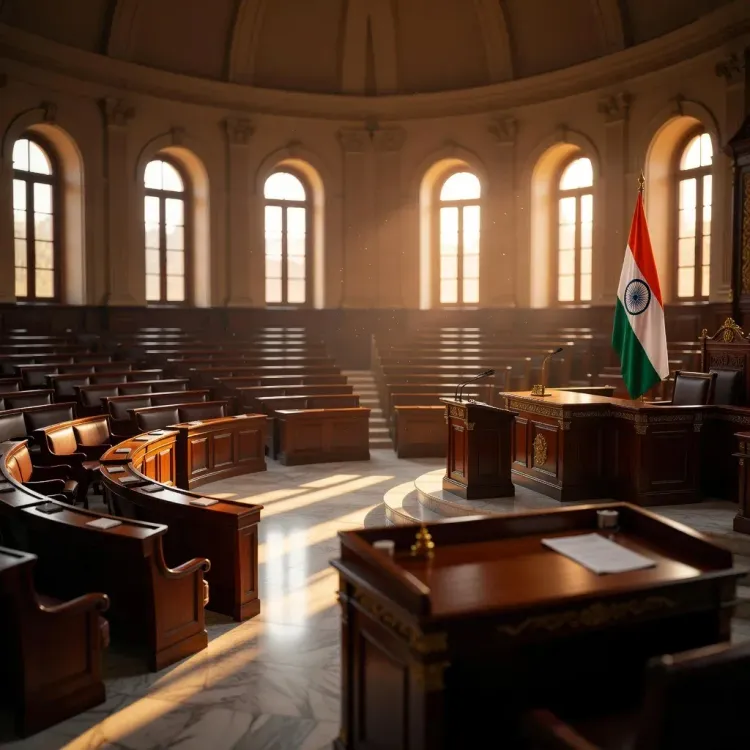
Assam Chief Minister Himanta Biswa Sarma announced on 27 May 2026 that he would address the ongoing legislative debate on the Uniform Civil Code for Assam, promising to present the full facts and rationale behind the bill in a live address.
Key Takeaways
CM Himanta Biswa Sarma announced on 27 May 2026 that he would reply to the ongoing #UCCAssam debate in the Assam Legislative Assembly .
The Uniform Civil Code seeks to replace religion-specific personal laws on marriage, divorce, inheritance, and adoption with a common civil framework, as envisaged under Article 44 of the Constitution.
The Assam government formed an expert committee in 2023 to study the feasibility of a state-specific UCC, laying the groundwork for the current bill.
Uttarakhand became the first Indian state to enact a UCC law in 2024 , and Assam's exercise follows a similar legislative path.
Key stakeholders include women's groups, religious minorities, and tribal communities , whose customary rights are central to the debate.
A final assembly vote and potential legal challenges before higher courts are the immediate next steps to watch.
Assam Chief Minister Himanta Biswa Sarma announced on Wednesday, 27 May 2026, that he would shortly reply to the ongoing legislative debate on #UCCAssam and urged citizens to tune in to his live address for the full facts and rationale behind the proposed Uniform Civil Code for the state.
Context
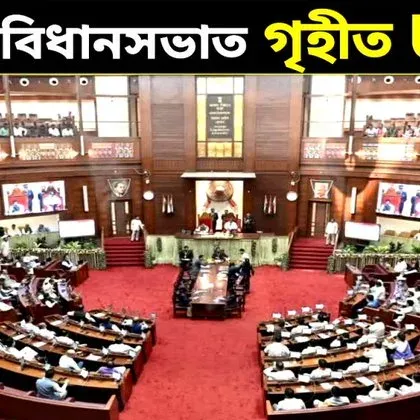
In his post, CM Sarma wrote: 'In a short while from now, I will reply to the debate on #UCCAssam and you will know the entire facts of the matter and why it is important.' The announcement signals that the Assam Legislative Assembly is actively deliberating on a bill to introduce a Uniform Civil Code for the state, with the Chief Minister preparing to make a comprehensive case for the legislation on the floor of the House.
The Uniform Civil Code (UCC) seeks to replace religion-specific personal laws — governing marriage, divorce, inheritance, and adoption — with a single, common set of civil laws applicable to all citizens regardless of faith. Its constitutional basis lies in Article 44 of the Indian Constitution (1950), which directs the State to endeavour to secure a UCC for all citizens.
Policy Backdrop
The push for a UCC in Assam has been building systematically. In 2023, the state government constituted an expert committee headed by a retired High Court judge to study the feasibility of a state-specific code. The committee's work laid the groundwork for the current legislative exercise.
Uttarakhand became the first state in independent India to enact a UCC law in 2024, following a similar committee-to-legislation process. Assam's current debate mirrors exercises announced in Gujarat and Madhya Pradesh, reflecting a broader pattern among BJP-governed states of moving from manifesto promises — the party has included UCC in its election manifestos since 2014 — to concrete legislative action. The move also intersects with Assam's existing targeted laws on marriage registration and the state's ongoing demographic policy concerns.
Stakeholders and Impact
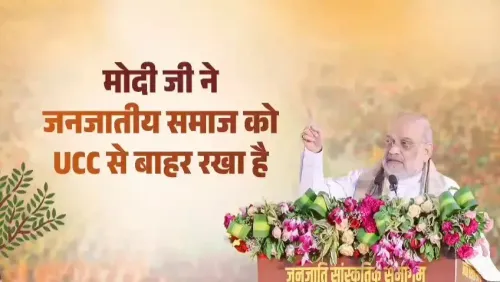
The proposed legislation has wide-ranging implications for several communities within Assam. Women's rights groups have broadly supported a uniform code as a tool for gender equality, particularly in matters of inheritance and divorce. Religious minorities and tribal communities, however, have raised concerns about the potential dilution of customary practices protected under the Constitution.
The debate in the Assam Legislative Assembly is therefore being watched closely by civil society, legal experts, and community leaders across the state's diverse ethnic and religious landscape. CM Sarma's promised floor speech is expected to address these concerns directly and lay out the government's justification for proceeding with the bill.
What's Next
The immediate focus is on CM Sarma's reply to the assembly debate, which he indicated would reveal 'the entire facts of the matter.' Following the debate, the Assam Legislative Assembly is expected to move toward a final vote on the bill. Any enacted law would likely face legal scrutiny, including potential challenges before the Gauhati High Court or the Supreme Court of India, particularly on questions of tribal customary rights and concurrent jurisdiction with central law. The Central Government's position on state-level UCC enactments will also be a key variable to watch.
Point of View
Not a routine bill. By framing his address as a moment when 'the entire facts' will be revealed, Sarma is attempting to set the narrative ahead of what is likely to be a contentious vote. Assam's move fits squarely within the BJP's broader federal strategy of advancing UCC state by state, building legislative precedent while the central government watches the political and legal terrain. The real test will come in how the government addresses the concerns of tribal communities, whose constitutional protections could become the fulcrum of any legal challenge.
NationPress
19 Sept 2026
Frequently Asked Questions
What is the UCC Assam bill?
The UCC Assam bill proposes a Uniform Civil Code for the state of Assam, replacing religion-specific personal laws on marriage, divorce, inheritance, and adoption with a single common civil framework applicable to all citizens, as envisaged under Article 44 of the Indian Constitution.
Why is Himanta Biswa Sarma addressing the UCC debate?
As Chief Minister and the leader of the ruling BJP government in Assam, Himanta Biswa Sarma announced he would personally reply to the legislative debate on the UCC Assam bill to present the full facts and the government's rationale for the proposed law.
Has any Indian state already implemented a Uniform Civil Code?
Yes. Uttarakhand became the first state in independent India to enact a UCC law in 2024, following a committee-to-legislation process similar to the one Assam is currently undertaking.
How does the UCC affect tribal communities in Assam?
Tribal communities in Assam have raised concerns that a Uniform Civil Code could override customary practices and personal laws that are protected under constitutional provisions, making their rights a central point of contention in the assembly debate.
What happens after the Assam Assembly debates the UCC bill?
After the debate concludes, the Assam Legislative Assembly is expected to vote on the bill. If passed, the law would likely face legal scrutiny, including potential challenges before the Gauhati High Court or the Supreme Court of India.