CM Himanta declares Assam UCC done, asks public what's next
Synopsis
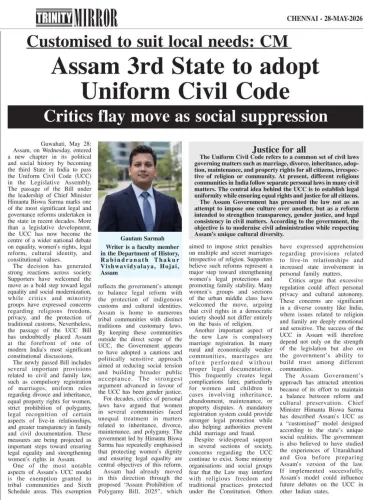
Assam Chief Minister Himanta Biswa Sarma announced on 28 May 2026 that the Uniform Civil Code has been implemented in Assam, making it the second Indian state after Uttarakhand to enact such a law, and invited citizens to suggest the government's next policy priority.
Key Takeaways
Assam CM Himanta Biswa Sarma declared the Uniform Civil Code (UCC) implemented in Assam on 28 May 2026 .
Assam becomes the second Indian state after Uttarakhand — which passed its UCC in February 2024 — to enact such legislation.
The UCC replaces religion-specific personal laws on marriage, divorce, inheritance and adoption with a single legal framework.
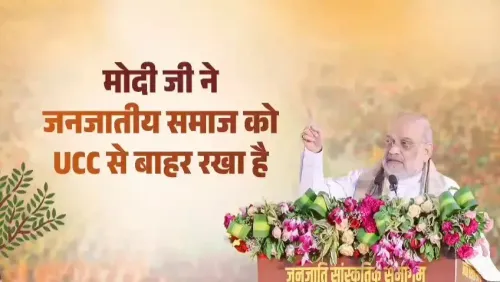
Sarma framed the UCC as a protector of Assam's indigenous civilisation, culture and traditions — a recurring theme in northeastern BJP governance.
The CM publicly asked citizens what the next policy priority should be, signalling continued reform intent.
Exemptions for Scheduled Tribe customary laws and the full implementation timeline remain key issues to watch in the state assembly.
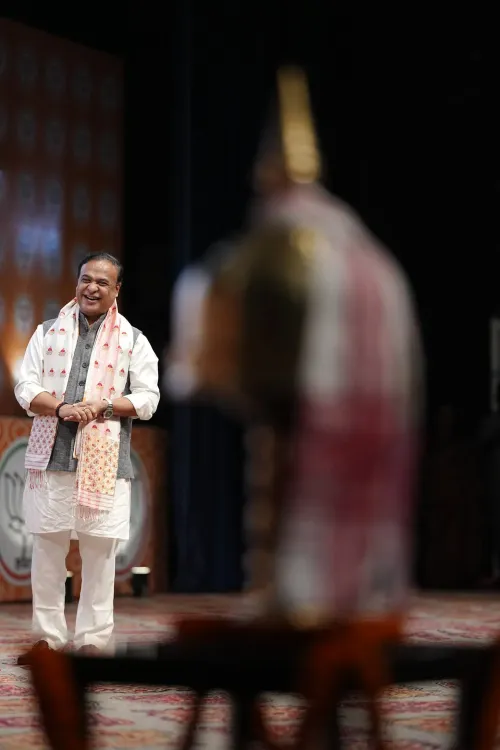
Assam Chief Minister Himanta Biswa Sarma declared on Thursday, 28 May 2026 that the Uniform Civil Code (UCC) has been implemented in Assam, calling it a law that brings 'equality, clarity and justice for all' and asserting that the state's civilisation, culture and traditions are now more secure than ever.
Context
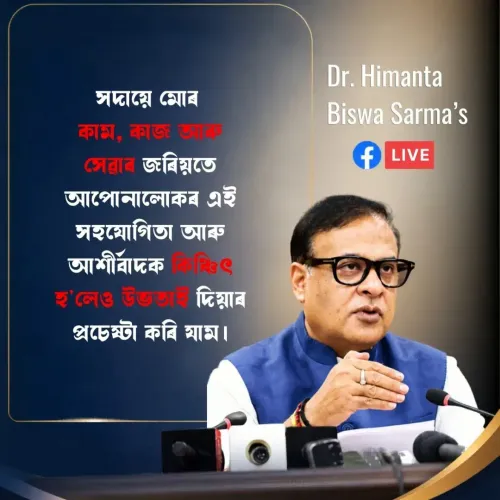
In a post on X, Sarma stated: 'With UCC done, Assam's civilisation, culture and traditions stand even more secure, protected by a law that brings equality, clarity and justice for all.' He followed the declaration with a direct question to citizens — 'What's the next policy you want us to implement?' — signalling continued legislative ambition and an intent to crowdsource the government's next reform priority.
The announcement positions Assam as the second Indian state after Uttarakhand to enact a state-level UCC. Uttarakhand passed India's first such statute in February 2024, setting a legislative precedent that BJP-governed states had been watching closely.
Policy Backdrop
Article 44 of the Indian Constitution (1950) places a Uniform Civil Code among the Directive Principles of State Policy, directing the state to endeavour to secure a common set of personal laws for all citizens regardless of religion. The Bharatiya Janata Party (BJP) included UCC implementation in its national election manifestos of 2014 and 2019, making it one of the party's long-standing ideological commitments.
A UCC replaces religion-specific personal laws — governing marriage, divorce, inheritance and adoption — with a single, uniform legal framework. Proponents argue it advances gender equality and national integration; critics from minority communities and some constitutional scholars have raised concerns about cultural autonomy and federal overreach.
Stakeholders and Impact
Assam is home to a complex demographic mosaic — indigenous tribal communities, Bengali-speaking Hindus and Muslims, and several Scheduled Tribe groups — many of whom are governed by distinct customary personal laws. The framing of UCC as a protector of 'civilisation, culture and traditions' is notable: the state government has consistently linked legal uniformity to the preservation of indigenous Assamese identity and demographic stability.
Women's rights groups have broadly welcomed UCC provisions that standardise inheritance rights and marriage-age protections. However, tribal organisations in the northeast have historically sought exemptions for customary laws, and the scope of any such exemptions under Assam's UCC will be closely watched by stakeholders across the region.
As convenor of the North-East Democratic Alliance (NEDA), Sarma wields influence beyond Assam's borders. The move could prompt similar legislative discussions in other NEDA-governed states in the northeast.
What's Next
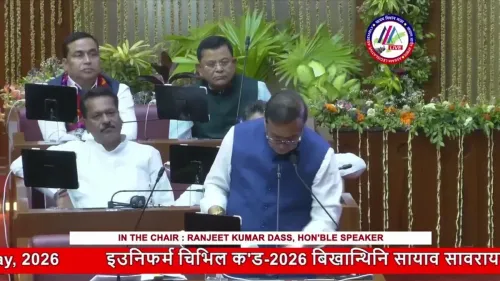
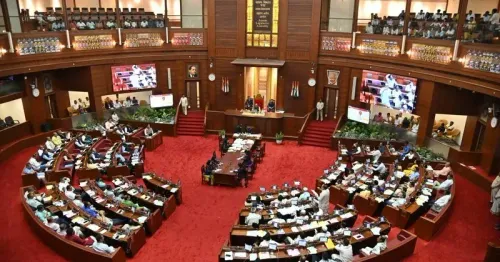
The details of Assam's UCC rules, exemptions — particularly for Scheduled Tribes — and the implementation timeline are expected to come under scrutiny in the state assembly and among civil society groups. Legal challenges before the Gauhati High Court or the Supreme Court of India remain a possibility, mirroring the litigation that followed Uttarakhand's enactment.
Sarma's open question to citizens about the 'next policy' suggests the government intends to maintain reform momentum, with the public response on social media likely to shape the political narrative in the months ahead.
Point of View
Following the trail blazed by Uttarakhand in 2024. The cultural framing — linking legal uniformity to the protection of Assamese civilisation — is a deliberate political manoeuvre that attempts to neutralise the usual minority-community objections by repositioning UCC as a shield for indigenous identity rather than an imposition on it. His crowdsourcing of the 'next policy' is equally strategic: it sustains public engagement and signals that Assam under his leadership is in a continuous reform mode ahead of future electoral cycles. For NEDA-governed states, this move sets a template and raises the question of whether similar legislation will follow across the northeast.
NationPress
10 Oct 2026
Frequently Asked Questions
Has Assam passed the Uniform Civil Code?
Yes, Assam Chief Minister Himanta Biswa Sarma declared on 28 May 2026 that the Uniform Civil Code has been implemented in Assam, making it the second Indian state after Uttarakhand to do so.
What is the Uniform Civil Code and what does it do?
The Uniform Civil Code is a single set of personal laws — covering marriage, divorce, inheritance and adoption — that applies to all citizens regardless of religion, replacing separate religion-specific codes. It is mandated as a goal under Article 44 of the Indian Constitution.
Which was the first Indian state to implement UCC?
Uttarakhand was the first Indian state to enact a Uniform Civil Code, passing the statute in February 2024.
Will the Assam UCC apply to tribal communities?
The scope of exemptions for Scheduled Tribe customary laws under Assam's UCC has not been fully detailed publicly; the rules and any exemptions are expected to be clarified in the state assembly and will be closely watched by tribal organisations.
Why is Himanta Biswa Sarma asking the public for the next policy?
After announcing the UCC, CM Sarma posted a direct question on X asking citizens what the next policy they want implemented should be, an apparent effort to crowdsource reform priorities and sustain public engagement with his government's legislative agenda.