CM Pema Khandu Urges Siang People to Heed Amit Shah's SUMP Assurance
Synopsis
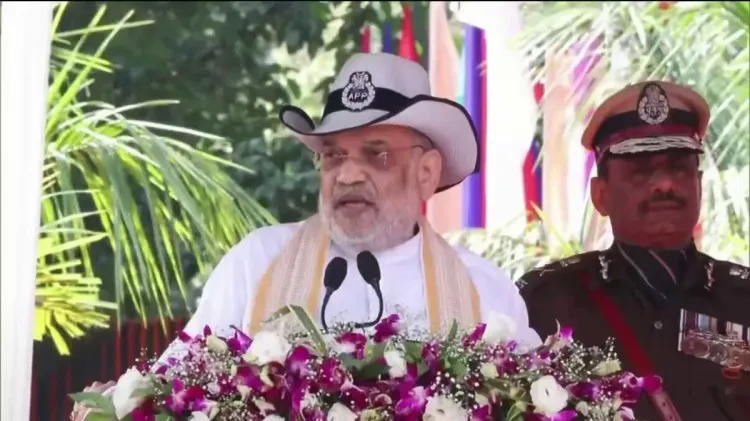
Arunachal Pradesh CM Pema Khandu has appealed to Siang communities to take note of Home Minister Amit Shah's assurance that the proposed Siang Upper Multipurpose Project will advance only through dialogue, with full respect for local traditions, culture and religious beliefs.
Key Takeaways
CM Pema Khandu publicly relayed Union Home Minister Amit Shah 's assurances on the Siang Upper Multipurpose Project (SUMP) on 21 November 2026 .
Shah assured that the Government of India is ready for 'positive and constructive dialogue' with the people of Siang .
The project will move forward 'only through dialogue and after taking the people of Siang into confidence,' according to Khandu's post.
Traditions, culture and religious beliefs of local communities have been explicitly promised full respect and protection.
The appeal signals that community scepticism about SUMP remains active, prompting the highest-level political reassurance.
Next steps hinge on formal dialogue mechanisms, public consultations, and cultural and environmental impact assessments.
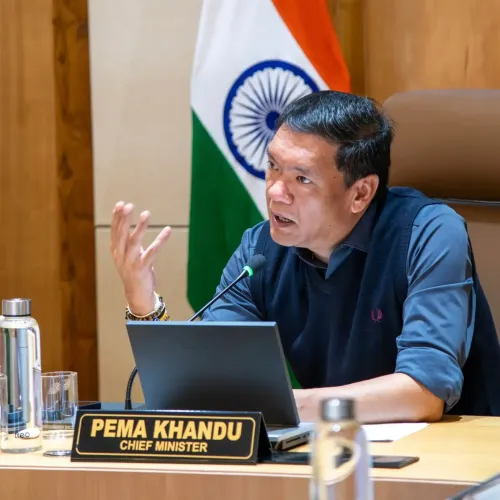
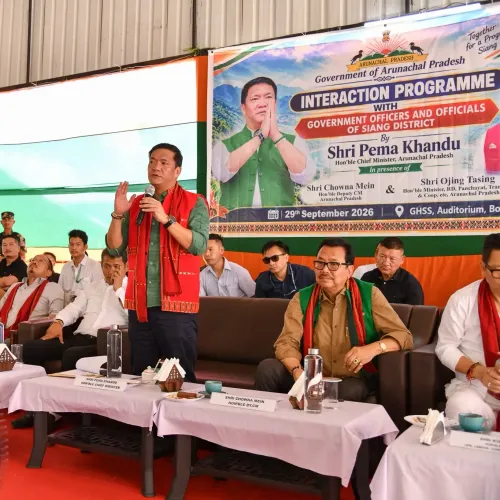
A dam project that has stirred deep anxiety among the indigenous communities of Siang, Arunachal Pradesh, found itself at the centre of a high-level political intervention on Saturday, 21 November 2026, as Arunachal Pradesh Chief Minister Pema Khandu publicly urged residents of the region to take note of Union Home Minister Amit Shah's personal assurances on the proposed Siang Upper Multipurpose Project (SUMP).
In his post, CM Khandu relayed that Shah has 'categorically assured that the Government of India is ready for positive and constructive dialogue with the people of Siang.' The Home Minister, according to Khandu, made one commitment explicit: the project 'will move forward only through dialogue and after taking the people of Siang into confidence.' Crucially, Shah also assured that 'the traditions, culture and religious beliefs of the local communities will be fully respected and protected.'
What SUMP Is — and Why Siang Communities Are Watching Closely
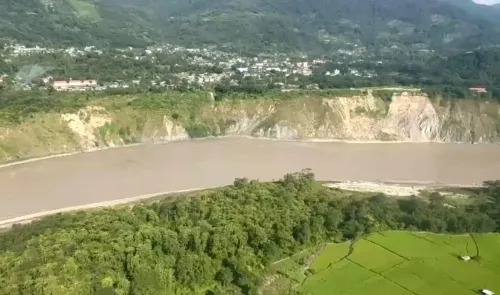
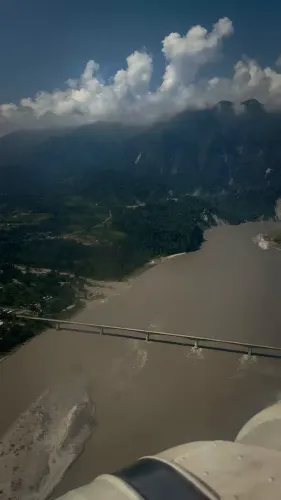
The Siang Upper Multipurpose Project is a proposed large-scale dam on the Siang river — the principal Arunachal stretch of the Brahmaputra — designed to generate hydropower and deliver associated flood-control benefits. The river corridor is home to indigenous tribal communities for whom the riverine landscape is not merely ecological but deeply spiritual and culturally constitutive.
Arunachal Pradesh has been at the heart of India's Northeast hydropower ambitions since the early 2000s, when a wave of project MoUs were signed across the Brahmaputra basin. Yet large river-valley projects in the region have repeatedly run into organised local resistance — over fears of displacement, submergence of sacred sites, and the erosion of customary land rights. SUMP sits squarely in that contested history.
The Consent-First Shift in Northeast Infrastructure Politics
What makes the Home Minister's assurance politically significant is its framing. Successive administrations have moved — often under pressure — toward explicit 'dialogue-first' language when dealing with tribal communities in the Northeast. Shah's commitment, as conveyed by CM Khandu, follows that pattern: no unilateral push, no fait accompli, but a structured consultative process before any ground breaks.
The appeal from Khandu to 'hear the assurance directly' signals that community scepticism remains live. By routing the message through the Home Minister — the Centre's most authoritative voice on Northeast affairs — the state government is deploying the highest available political credibility to build trust. The ball now moves to the formal dialogue table: what mechanisms will be set up, who will represent Siang communities, and on what timeline.
What Siang's Communities Will Be Watching For Next
Assurances at the political level are only a first step. The harder test will come when formal public consultations are scheduled, environmental and cultural impact assessments are commissioned, and community representatives are given a genuine seat at the negotiating table. Any gap between the promise of dialogue and its actual architecture will be scrutinised intensely by local groups.
For now, CM Khandu has done what state governments in such situations typically do — positioned himself as the bridge between Delhi's infrastructure ambitions and the ground-level anxieties of his constituents. Whether that bridge holds will depend entirely on what follows the assurance.
The Siang river has carried civilisations on its banks for centuries. The question now is whether a dam project can be designed — and negotiated — in a way that those civilisations recognise as fair.
Point of View
He lends it the weight of New Delhi's authority rather than just state-level political messaging. The 'dialogue-first' framing reflects a broader shift in how the Centre handles large infrastructure projects in tribal Northeast India — moving from top-down clearances to at least the optics of participatory consent. The real test of this posture will be whether formal consultation mechanisms are actually constituted and empowered, or whether the assurance remains rhetorical. Community groups in Siang will be watching the gap between promise and process very carefully.
NationPress
21 Nov 2026
Frequently Asked Questions
What is the Siang Upper Multipurpose Project (SUMP)?
The Siang Upper Multipurpose Project is a proposed large dam on the Siang river in Arunachal Pradesh, designed to generate hydropower and provide flood-control benefits along the upper Brahmaputra basin.
Why are Siang communities opposed to the SUMP project?
Indigenous communities in Siang have raised concerns about potential displacement, submergence of sacred and culturally significant sites, and the erosion of customary land and river rights — concerns that have accompanied large dam proposals in the Northeast for decades.
What did Amit Shah assure about the SUMP project?
According to CM Pema Khandu's post, Home Minister Amit Shah assured that the Government of India is ready for positive and constructive dialogue, that the project will move forward only after taking the people of Siang into confidence, and that local traditions, culture and religious beliefs will be fully respected.
What is CM Pema Khandu's role in the SUMP issue?
As Chief Minister of Arunachal Pradesh, Pema Khandu is acting as the intermediary between the central government's infrastructure goals and the concerns of Siang's local communities, urging residents to engage with the Home Minister's assurances directly.
What happens next with the Siang Upper Multipurpose Project?
The immediate next steps will involve setting up formal dialogue mechanisms between the Ministry of Home Affairs, the Arunachal Pradesh government and Siang community representatives, alongside environmental and cultural impact assessments — all of which are yet to be formally announced.