CM Majhi invokes Somnath's resilience in cultural message
Synopsis
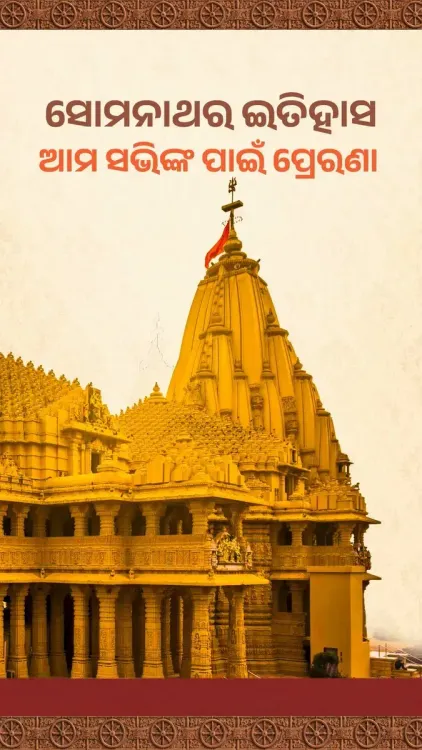
Odisha Chief Minister Mohan Charan Majhi posted a message in Odia on 15 June 2026 invoking the history of Somnath Temple, saying the power of creation and resolve far exceeds that of destruction — a theme consistent with BJP-led governments' cultural messaging.
Key Takeaways
Mohan Charan Majhi , Chief Minister of Odisha and BJP leader, posted on X on 15 June 2026 invoking the legacy of Somnath Temple .
The post, written in Odia, states that 'the power of creation and resolve is many times stronger than the attack of destroyers.' The Somnath Temple in Gujarat was repeatedly destroyed by invaders and rebuilt; its present structure was completed in May 1951 under an initiative by Sardar Vallabhbhai Patel .
Majhi has been Odisha's first BJP Chief Minister since June 2024 and has consistently highlighted cultural and heritage themes in public messaging.
The post was accompanied by a video and reflects a broader BJP pattern of invoking temple histories to emphasise civilisational resilience.
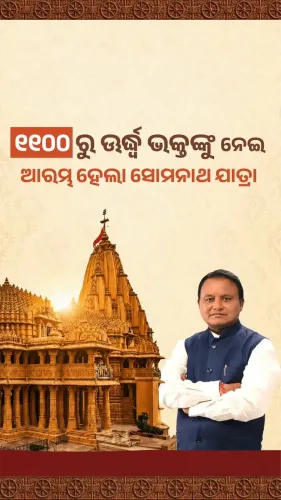
Odisha Chief Minister Mohan Charan Majhi on Monday, 15 June 2026 shared a message on X invoking the history of the Somnath Temple, asserting that the power of creation and resolve far surpasses the force of destruction — a lesson he attributed to the temple's enduring legacy.
Writing in Odia, the Chief Minister stated: 'ବିନାଶକାରୀଙ୍କ ଆକ୍ରମଣ ଅପେକ୍ଷା ସୃଷ୍ଟି ଓ ସଂକଳ୍ପର ଶକ୍ତି ଅନେକ ଗୁଣରେ ଅଧିକ ଶକ୍ତିଶାଳୀ, ଏହା ହିଁ ସୋମନାଥଙ୍କ ଇତିହାସ ଆମକୁ ଶିଖାଇଛି।' — translated: 'The power of creation and resolve is many times stronger than the attack of destroyers; this is what the history of Somnath has taught us.'
Context
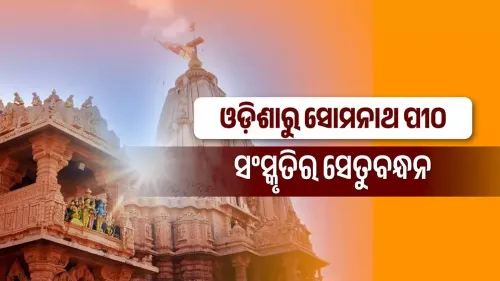
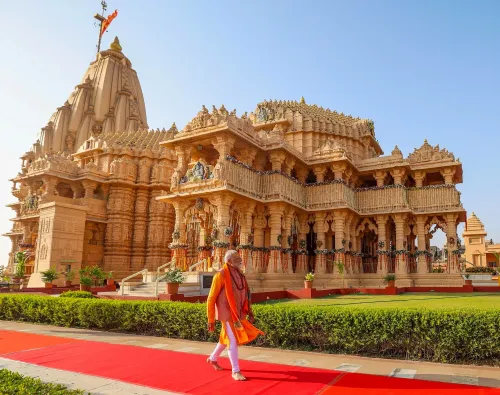
The Somnath Temple in Gujarat is one of the twelve Jyotirlinga shrines of Lord Shiva and among the most historically significant temples in India. It was repeatedly destroyed by invaders over the centuries and rebuilt each time, making it a widely cited symbol of civilisational resilience in Indian public discourse. The present structure was completed in May 1951 following an initiative championed by Sardar Vallabhbhai Patel shortly before his death in 1950.
Chief Minister Majhi's post was accompanied by a video, though the specific content of the video could not be independently verified at the time of publication. The message was written in Odia, the primary language of Odisha, signalling an intent to reach a broad Odia-speaking audience.
Policy Backdrop
Since assuming office in June 2024 as the first BJP Chief Minister of Odisha, Majhi has consistently woven cultural and heritage themes into his government's public communication. Invoking the Somnath narrative fits within a broader BJP pattern of referencing temple histories to underscore themes of civilisational continuity and collective resolve.
References to Somnath have appeared across BJP platforms since well before 2014 and are not confined to Gujarat-based leaders. The temple's story — of repeated destruction and reconstruction — is regularly positioned as a metaphor for national and cultural perseverance.
Stakeholders and Impact
Odia citizens and Hindu devotees across India form the primary audience for this messaging. For Odisha specifically, a state with a rich tradition of temple culture including the Jagannath Temple in Puri, such references carry particular resonance. The post reinforces the Majhi government's positioning on heritage and cultural identity as a pillar of its public outreach.
The message also signals solidarity with a pan-India Hindu cultural consciousness, connecting Odisha's leadership to a narrative that transcends state boundaries and speaks to a national constituency.
What's Next
Observers will watch for any follow-up announcements from the Odisha government linking the state's own heritage sites to broader national cultural initiatives, or statements timed around major religious festivals in the latter half of 2026. Possible state-level heritage or pilgrimage tourism programmes connecting Odisha with sites such as Somnath in Gujarat remain a space to watch. The Chief Minister's continued use of Odia-language messaging on cultural themes suggests this will remain a recurring strand of his administration's public identity.
Point of View
He ensures the message lands with his core home constituency while the content itself speaks to a national BJP cultural vocabulary. The invocation of creation over destruction is a rhetorical frame that BJP leaders have deployed consistently since at least 2014, drawing a line from Patel's post-Independence reconstruction of Somnath to present-day governance themes. Whether this presages a specific heritage policy announcement or remains aspirational messaging will become clearer in the months ahead.
NationPress
14 Sept 2026
Frequently Asked Questions
What did Odisha CM Mohan Majhi say about Somnath Temple?
CM Mohan Charan Majhi said that the history of Somnath Temple teaches us that the power of creation and resolve is many times stronger than the attack of destroyers.
Why is Somnath Temple historically significant?
Somnath Temple in Gujarat is one of the twelve Jyotirlinga shrines of Lord Shiva. It was repeatedly destroyed by invaders over centuries and rebuilt each time; the present structure was completed in May 1951 following an initiative by Sardar Vallabhbhai Patel.
Who is Mohan Charan Majhi?
Mohan Charan Majhi is the Chief Minister of Odisha and a BJP leader. He took office in June 2024 as the first BJP Chief Minister of the state.
Why do BJP leaders often reference Somnath Temple?
BJP leaders across India have long invoked the Somnath Temple's history of destruction and reconstruction as a symbol of civilisational resilience and cultural continuity, a theme that has been prominent in the party's public communication since before 2014.
What language did CM Majhi use in his Somnath post?
CM Majhi wrote the post in Odia, the primary language of Odisha, addressing his home state's audience directly while drawing on a pan-India cultural reference.