CM Pema Khandu flags monthly Cabinet sittings as Arunachal's development engine
Synopsis
Chief Minister Pema Khandu says Arunachal Pradesh holds Cabinet sittings every month to review priorities, take timely decisions, and keep development on track in the strategically vital border state.
Key Takeaways
Pema Khandu confirmed that the Arunachal Pradesh Cabinet meets every month as a standing governance commitment.
The stated goals are faster responses, timely decisions, and unblocking development bottlenecks.
Khandu has led the state as Chief Minister since 2016 under BJP governance.
Arunachal Pradesh's border geography and infrastructure challenges make regular executive decision-making especially consequential.
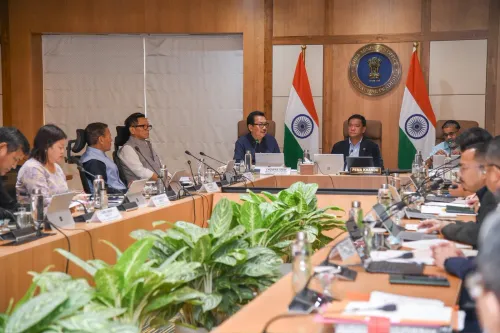
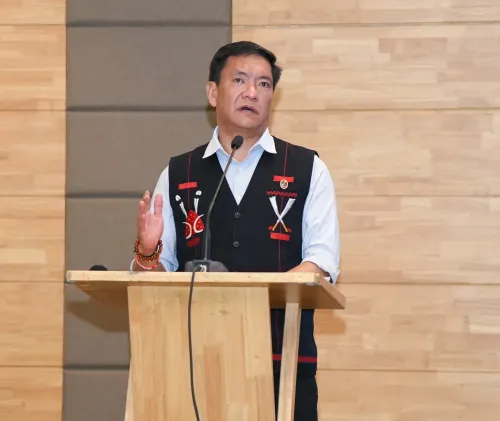
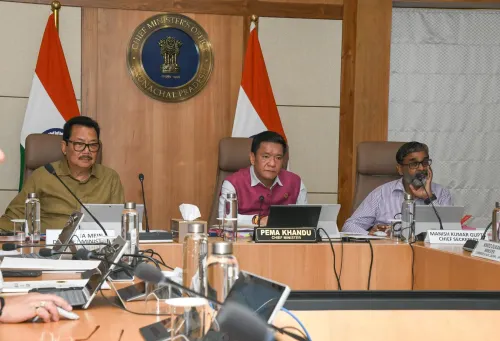
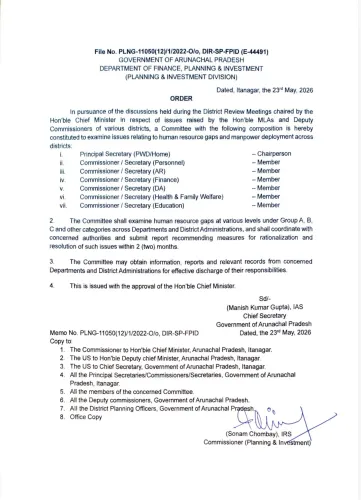
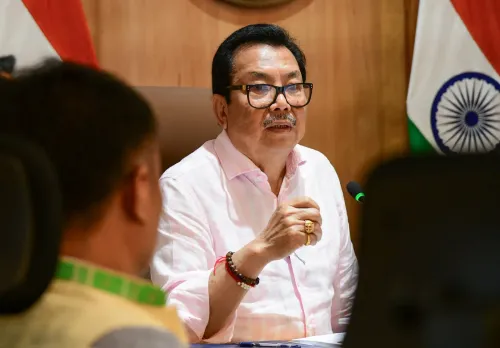
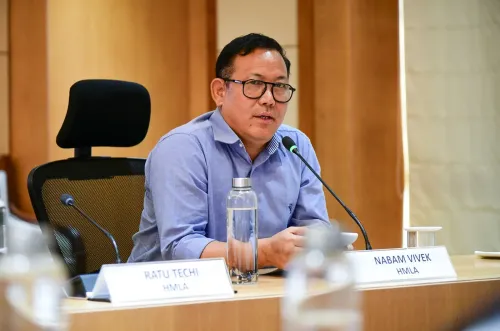
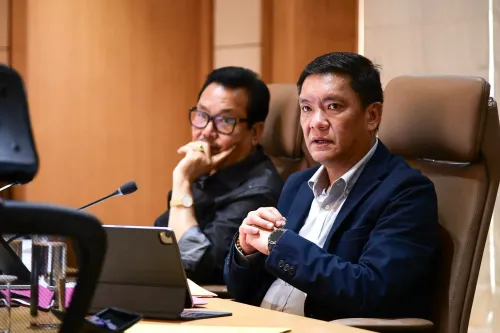
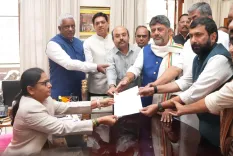
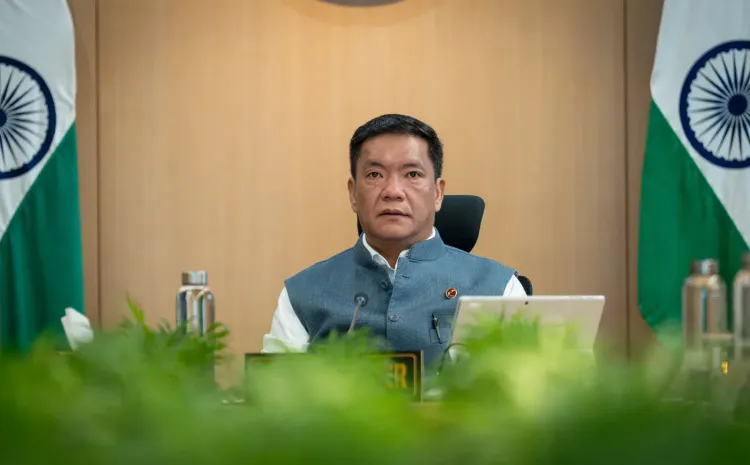
The post was accompanied by four images , suggesting an active Cabinet sitting on 13 August 2026 .
In a state where geography alone can stall governance, Arunachal Pradesh Chief Minister Pema Khandu is making the case that regularity is a policy in itself. On Thursday, 13 August 2026, Khandu posted on X that his government holds Cabinet sittings every month — not as routine procedure, but as a deliberate mechanism to keep decisions moving and bottlenecks from piling up.
'A government that meets regularly can respond faster, decide faster and deliver better,' Khandu wrote, framing the monthly rhythm as the backbone of Arunachal Pradesh's development agenda. The post, tagged #ArunachalCabinet, was accompanied by four images, signalling an active sitting rather than a retrospective announcement.
Why cadence matters in a border state
Arunachal Pradesh is not a typical administrative theatre. It shares sensitive international borders, hosts difficult terrain, and has historically faced challenges in translating central allocations into ground-level delivery. In that context, a government that commits to a fixed meeting calendar is doing something structurally significant — it is removing the excuse of inertia.
Regular Cabinet sittings are a standard mechanism across Indian states, but their impact varies sharply with execution. The stated purpose here — reviewing priorities, taking timely decisions, resolving bottlenecks — maps directly onto the chronic pain points of frontier-state administration, where a delayed clearance can hold up an infrastructure project for months.
Khandu's decade of BJP governance in Arunachal
Pema Khandu has served as Chief Minister since 2016, making him one of the longer-serving CMs in the Northeast under BJP leadership. His government has consistently positioned administrative efficiency as a brand differentiator, aligning with the broader BJP-ruled states' emphasis on process reform alongside infrastructure spending.
The monthly Cabinet cadence, as he frames it, is less about optics and more about accountability — a standing appointment that forces the executive to surface unresolved issues before they calcify into systemic failures.
Whether the meetings translate into measurable delivery improvements is the question citizens and bureaucrats in Itanagar will answer over coming months. For now, Khandu is putting the rhythm on record — and daring the outcomes to follow.
Point of View
It also reinforces the party's broader 'good governance' narrative ahead of any electoral cycle. The real test, however, is whether the cadence produces verifiable outcomes: cleared projects, resolved disputes, faster fund utilisation. Without that accountability loop, the messaging risks becoming a ritual rather than a reform.
NationPress
13 Aug 2026
Frequently Asked Questions
How often does the Arunachal Pradesh Cabinet meet?
Chief Minister Pema Khandu has stated that the Arunachal Pradesh Cabinet meets every month to review priorities and take timely decisions on development.
Why are regular Cabinet meetings important for Arunachal Pradesh?
Arunachal Pradesh is a border state with challenging terrain and complex infrastructure needs. Regular Cabinet sittings help resolve administrative bottlenecks faster and keep development projects on track.
What is the purpose of the #ArunachalCabinet hashtag?
CM Pema Khandu uses the hashtag to publicly document Cabinet activity, signalling transparency and regularity in executive decision-making to citizens and stakeholders.
Which party governs Arunachal Pradesh?
The Bharatiya Janata Party (BJP) has governed Arunachal Pradesh since 2016, with Pema Khandu serving as Chief Minister throughout that period.