CM Pema Khandu Meets APSCPCR Chief on Child Rights
Synopsis
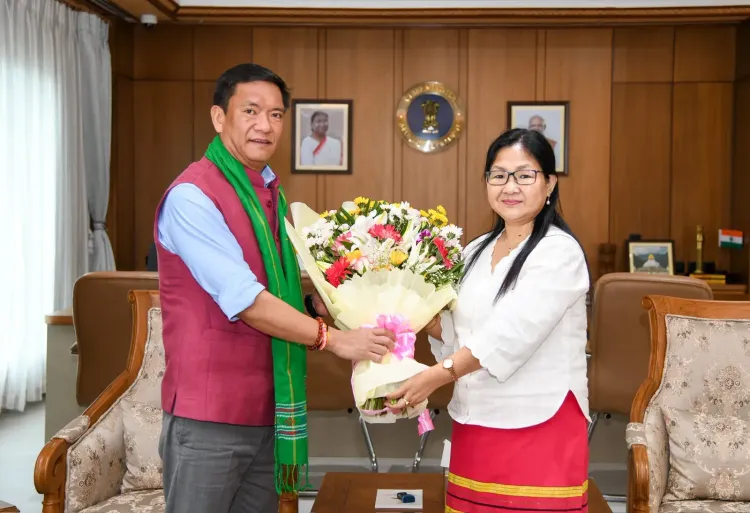
Arunachal Pradesh Chief Minister Pema Khandu met APSCPCR Chairperson Smt. Ratan Anya on July 7, 2026, to discuss safeguarding children's rights and creating greater opportunities for every child in the state. The meeting underlines the state's engagement with its statutory child rights body under the Commissions for Protection of Child Rights Act, 2005.
Key Takeaways
CM Pema Khandu received a courtesy call from APSCPCR Chairperson Smt.
Ratan Anya on July 7, 2026 .
Discussions centred on safeguarding children's rights and expanding opportunities for every child in Arunachal Pradesh .
APSCPCR is constituted under the Commissions for Protection of Child Rights Act, 2005 , which mandates state-level oversight of child rights.
Arunachal Pradesh 's remote terrain and large tribal population make child welfare delivery a logistical and policy challenge.
The engagement signals alignment between the state executive and its statutory child rights commission ahead of potential budget or legislative action.
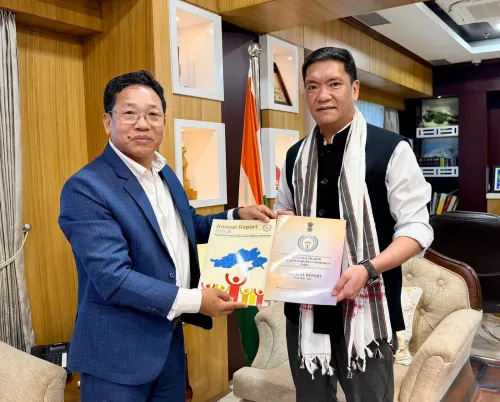
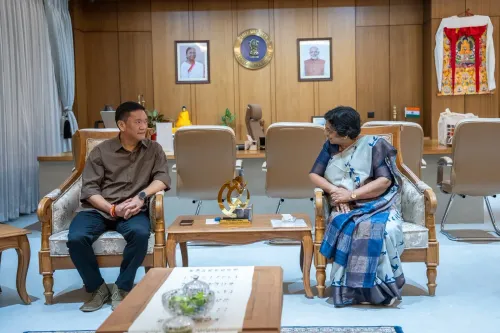
Arunachal Pradesh Chief Minister Pema Khandu met with Smt. Ratan Anya, Chairperson of the Arunachal Pradesh State Commission for Protection of Child Rights (APSCPCR), on Tuesday, July 7, 2026, for a courtesy call focused on strengthening child welfare in the state. The two discussed safeguarding children's rights and expanding opportunities for every child in Arunachal Pradesh.
Context
The meeting brought together the state's top executive and the statutory body mandated to oversee child rights protection. CM Khandu described the interaction as a discussion on 'safeguarding children's rights and creating greater opportunities for every child.' Such direct engagements between chief ministers and commission heads are a recognised mechanism for aligning state executive priorities with the on-ground findings of child rights bodies.
APSCPCR was constituted under the Commissions for Protection of Child Rights Act, 2005, a central legislation that established both national and state-level commissions to examine, review, and promote safeguards for children across India. The commission serves as a watchdog, receiving complaints and recommending policy corrections to the state government.
Policy Backdrop
India's child protection architecture rests on several interlocking laws. The Commissions for Protection of Child Rights Act, 2005, created the institutional framework, while subsequent legislation — including the Protection of Children from Sexual Offences (POCSO) Act, 2012, and amendments to the Juvenile Justice Act — expanded the scope of protection and redressal available to children. State commissions like APSCPCR are expected to monitor implementation of all such laws within their jurisdiction.
Arunachal Pradesh presents particular challenges for child welfare delivery. The state's large tribal populations, dispersed settlements across difficult Himalayan terrain, and limited connectivity mean that reaching vulnerable children with education, nutrition, and protection services requires deliberate policy effort and adequate budget allocation.
Stakeholders and Impact
The primary beneficiaries of any policy outcomes from this engagement are the children of Arunachal Pradesh, particularly those in remote districts where access to schooling, healthcare, and legal protection remains uneven. Tribal communities, which constitute a significant share of the state's population, stand to gain most from strengthened commission oversight and executive follow-through.
Civil society groups, district child protection units, and frontline workers under schemes such as Mission Vatsalya — the central government's integrated child protection programme — are also key stakeholders. A more active dialogue between the chief minister's office and APSCPCR could translate into faster resolution of implementation gaps flagged by the commission.
What's Next
Observers will watch for concrete follow-up actions, including whether APSCPCR's recommendations surface in the next state budget or in orders issued by the Arunachal Pradesh government. The commission's annual reports, once released, typically provide the clearest picture of where child rights protections are holding and where gaps persist. CM Khandu's direct engagement signals that child welfare remains on the state's policy agenda, though the translation of such meetings into measurable outcomes will depend on subsequent legislative and administrative action.
Point of View
But the public acknowledgement of this interaction by CM Khandu suggests a deliberate effort to project child welfare as a governance priority. Arunachal Pradesh, with its complex tribal demography and remote geography, faces structural barriers in implementing central child protection mandates — making executive-level engagement with bodies like APSCPCR more consequential than in better-connected states. The meeting fits a broader pattern of northeastern states increasingly surfacing child rights and welfare issues in political communication, partly in response to central government emphasis on holistic development indices. The real test will be whether this courtesy call produces traceable policy outcomes — in budget lines, commission recommendations acted upon, or new state-level schemes — before the next assembly session.
NationPress
7 Jul 2026
Frequently Asked Questions
What is APSCPCR and what does it do?
The Arunachal Pradesh State Commission for Protection of Child Rights (APSCPCR) is a statutory body constituted under the Commissions for Protection of Child Rights Act, 2005. It examines and reviews safeguards for children, receives complaints related to child rights violations, and recommends policy changes to the state government.
Why did Pema Khandu meet the APSCPCR chairperson?
CM Pema Khandu received a courtesy call from APSCPCR Chairperson Smt. Ratan Anya on July 7, 2026, to discuss safeguarding children's rights and creating greater opportunities for every child in Arunachal Pradesh.
What laws govern child rights protection in India?
India's child protection framework is anchored by the Commissions for Protection of Child Rights Act, 2005, the POCSO Act, 2012, and the Juvenile Justice Act. These laws collectively establish institutional oversight, define offences against children, and set out care and protection mechanisms.
What are the child welfare challenges in Arunachal Pradesh?
Arunachal Pradesh's large tribal populations, dispersed settlements, and difficult Himalayan terrain create significant logistical barriers to delivering education, nutrition, healthcare, and legal protection services to children, particularly in remote districts.
What could follow from this meeting between CM Khandu and APSCPCR?
Follow-up actions could include APSCPCR recommendations being incorporated into the state budget, new child welfare schemes, or executive orders addressing implementation gaps flagged by the commission. The release of APSCPCR's annual report will offer the clearest indicator of priority areas.