CM Pema Khandu Shares Warm Moments With Gyangkhar Village Elders
Synopsis
Arunachal Pradesh Chief Minister Pema Khandu shared warm moments with elders of Gyangkhar village in a video post, underscoring his administration's emphasis on grassroots tribal engagement and direct community connect across the state's remote terrain.
Key Takeaways
CM Pema Khandu shared a video of his interaction with elders of Gyangkhar village on 27 June 2026 .
The post highlighted the Chief Minister's personal engagement with tribal community elders, a recurring feature of his governance approach.
Arunachal Pradesh is home to over 26 major tribes , making grassroots outreach a strategic governance priority.
Village elders hold significant cultural authority in northeastern tribal societies, and such interactions bridge formal administration with local customary structures.
Follow-up district-level visits or rural development announcements in the region are possible in the coming weeks.
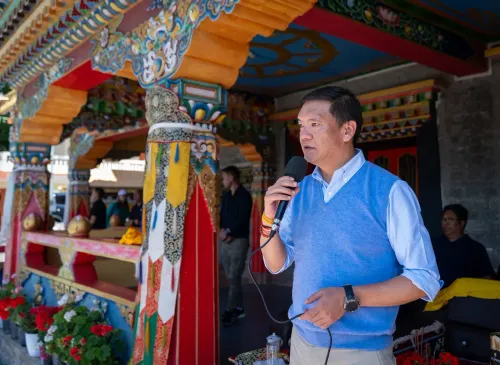
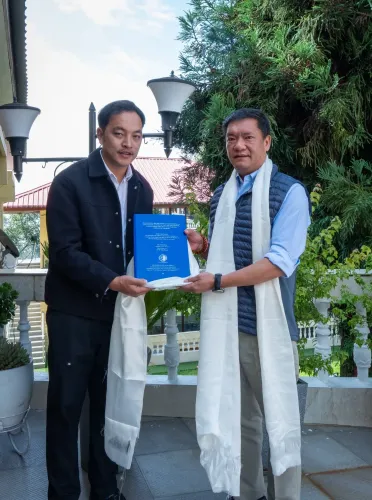
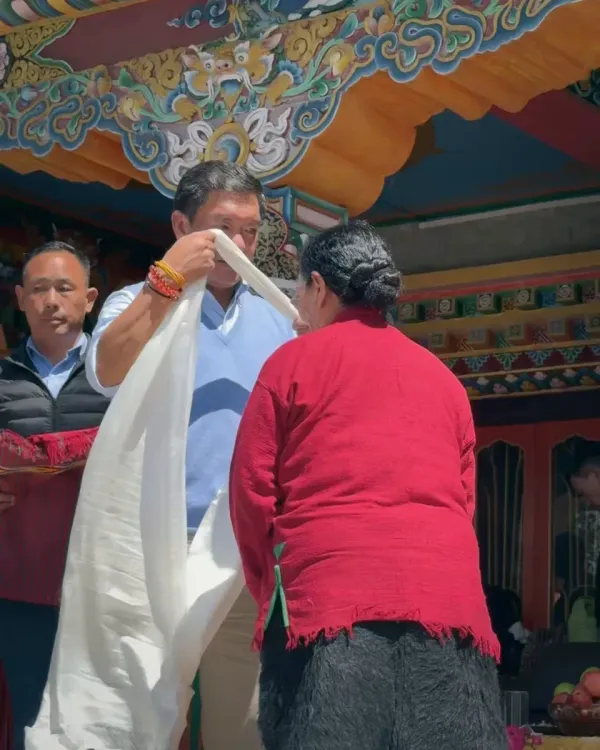
Arunachal Pradesh Chief Minister Pema Khandu on Friday, 27 June 2026, shared glimpses of his interaction with the elders of Gyangkhar village, posting a video of the visit on his official social media handle and describing the encounter as a moment of warmth and community connect.
Context
The Chief Minister shared the post with the caption, 'Sharing warm moments with the elders of Gyangkhar village,' accompanied by a video capturing the interaction. Such direct engagement with village communities forms a core part of Pema Khandu's governance style, which has consistently emphasised grassroots outreach across Arunachal Pradesh's diverse and geographically dispersed tribal landscape.
Village elders occupy a position of significant cultural authority in tribal societies across the northeast. Interactions between elected leaders and community elders are seen as an important bridge between formal administration and local customary structures.
Policy Backdrop
Chief ministers across northeastern states have long maintained a tradition of visiting remote villages and engaging directly with local populations, a practice rooted in the region's distinct tribal demographics and difficult terrain. Arunachal Pradesh, home to over 26 major tribes and numerous sub-tribes, presents a governance challenge that demands consistent field-level engagement beyond district headquarters.
For CM Khandu, a leader who himself belongs to the Monpa tribal community of western Arunachal, such visits carry both administrative and cultural resonance. They signal respect for traditional hierarchies while also enabling direct feedback from communities that are often underserved by formal channels of governance.
Stakeholders and Impact
The primary stakeholders in such outreach are village elders and tribal communities who rarely receive direct attention from state leadership. These interactions can surface local grievances, infrastructure gaps, and welfare delivery bottlenecks that do not always reach state capital Itanagar through routine administrative reporting.
For the broader constituency, a Chief Minister's visible presence in a village setting reinforces accountability and trust between the government and remote populations. It also reflects the BJP's strategic emphasis on grassroots connect in states where community identity and local leadership structures remain influential in shaping political outcomes.
What's Next
Visits of this nature often precede or accompany district-level announcements on rural infrastructure, welfare schemes, or community development programmes. Observers of Arunachal Pradesh politics will watch for any follow-up engagements in the same region or linked administrative announcements in the weeks ahead.
As the state continues to navigate development imperatives alongside the preservation of tribal culture, the Chief Minister's consistent community outreach is likely to remain a defining feature of governance in Arunachal Pradesh through the coming months.
Point of View
Such visibility helps reinforce the administration's accessibility credentials. For the BJP, which has worked to consolidate its presence in the northeast by aligning with local cultural norms, these moments serve a dual purpose: demonstrating developmental intent while respecting traditional hierarchies. The regularity of such outreach, if sustained, positions Khandu as a leader who governs beyond the state capital.
NationPress
26 Jun 2026
Frequently Asked Questions
Where is Gyangkhar village?
Gyangkhar village is a settlement in Arunachal Pradesh . The specific district location of the village could not be independently verified from available information at the time of publication.
Why does CM Pema Khandu visit villages?
CM Pema Khandu regularly visits villages as part of his grassroots governance approach, engaging directly with tribal communities and elders to understand local needs and bridge the gap between remote populations and the state administration.
What is the significance of meeting village elders in Arunachal Pradesh?
In Arunachal Pradesh's tribal societies, village elders hold significant cultural and social authority. Meetings between elected leaders and elders are seen as a mark of respect for traditional structures and help facilitate direct communication on local development and welfare issues.
What should we watch for after CM Khandu's Gyangkhar village visit?
Observers should watch for any follow-up district-level visits, rural infrastructure announcements, or community development programme launches linked to the Gyangkhar region in the weeks following the Chief Minister's engagement.