CM Rekha Gupta Outlines Delhi's Development Vision at Republic Summit 2026
Synopsis
Delhi Chief Minister Rekha Gupta addressed Republic Summit 2026 on 22 June, outlining her government's work on infrastructure, education, health, transport, pollution control, and Yamuna rejuvenation under PM Modi's guidance, framing Delhi's growth as central to the Viksit Bharat 2047 vision.
Key Takeaways
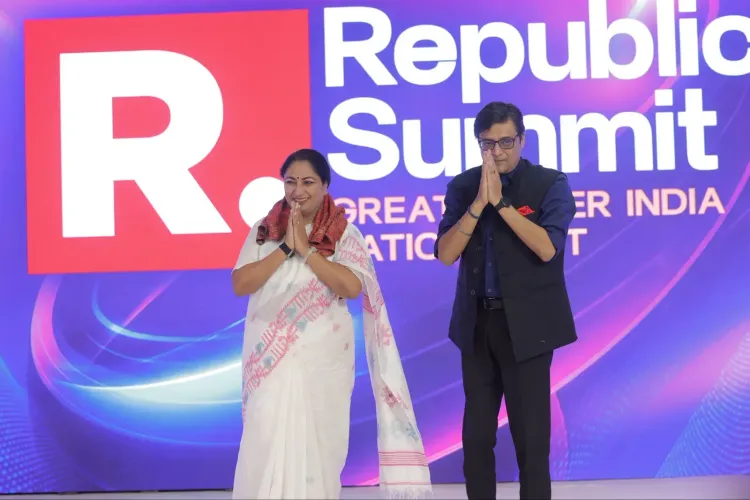
CM Rekha Gupta spoke at Republic Summit 2026 on 22 June 2026 , organised by Republic Media Network .
She cited progress on infrastructure, education, health, transport, and pollution control as key priorities of her government.
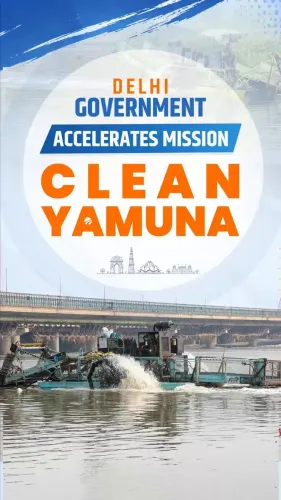
Yamuna river rejuvenation was highlighted as a long-pending issue now receiving renewed attention.
The government's efforts were framed as being guided by Prime Minister Narendra Modi and aligned with the Viksit Bharat 2047 vision.
Gupta stated that positive results of these efforts are 'now becoming visible on the ground.' Progress on Yamuna projects and new metro or expressway corridors are expected to be key benchmarks in 2026-27 .
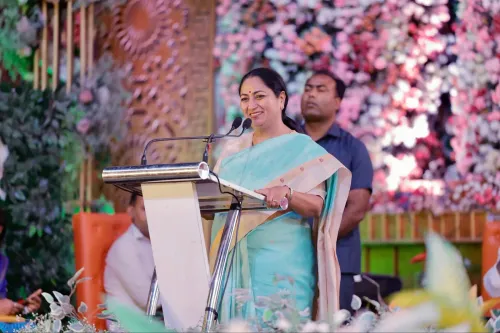
Delhi Chief Minister Rekha Gupta addressed the Republic Summit 2026, organised by Republic Media Network, on Monday, 22 June 2026, sharing her government's vision for the capital's development, governance, and future direction. Speaking at the summit, she highlighted ongoing work on infrastructure, education, health, transport, pollution control, and the long-pending rejuvenation of the Yamuna river.
Context
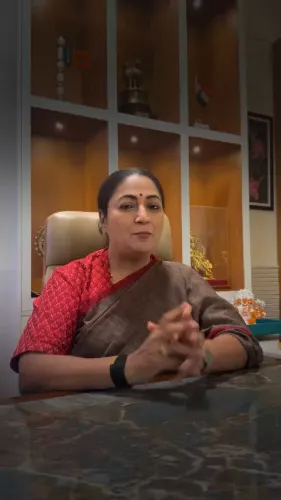
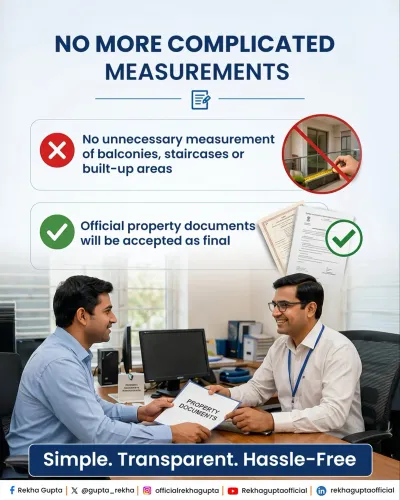
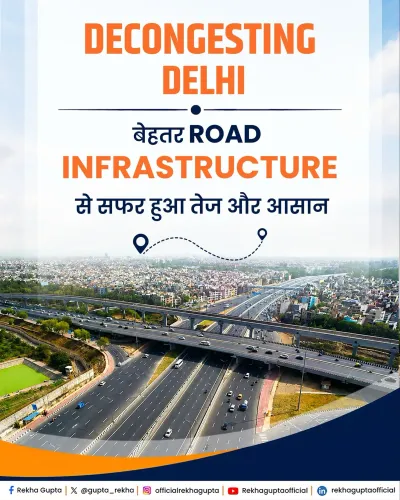
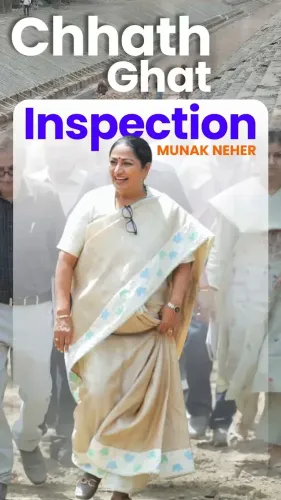
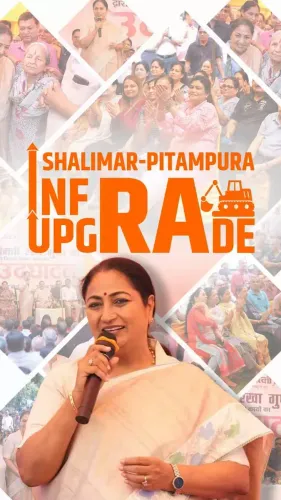
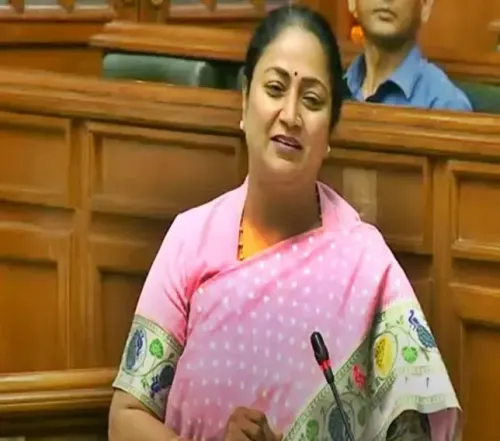
In her post on X, CM Rekha Gupta stated — 'आदरणीय प्रधानमंत्री श्री @narendramodi जी के मार्गदर्शन में हमारी सरकार... नई गति के साथ कार्य कर रही है' ['Under the guidance of respected Prime Minister Shri Narendra Modi, our government is working with new momentum'] — on issues that have remained pending for a long time. She added that the positive results of these efforts are 'now becoming visible on the ground.' The post was accompanied by 4 images from the summit.
Gupta also framed Delhi's development in national terms, writing that 'a developed Delhi will provide new strength to the aspirations of a Viksit Bharat' — a direct invocation of the central government's Viksit Bharat 2047 vision that links state-level progress to India's broader growth targets.
Policy Backdrop
The Yamuna river, which runs through the heart of Delhi, has been at the centre of urban environmental debates for decades. The Namami Gange programme, launched by the Government of India in 2014, included components aimed at cleaning the Yamuna, making it one of the longest-running river-rejuvenation efforts in the national capital's policy history.
Since 2014, BJP-led governments at the Centre have prioritised large-scale infrastructure, transport, and river-rejuvenation projects in Delhi. The current state government's framing of these issues as 'long-pending' signals a continuity of priority while also distinguishing its own tenure as a period of renewed momentum.
Stakeholders and Impact
Delhi's approximately 2 crore residents stand as the primary stakeholders across the sectors Gupta cited — education, health, transport, and environmental quality. Urban commuters in particular have a direct interest in the infrastructure and transport components of the agenda she outlined at the summit.
The Yamuna rejuvenation effort carries significance beyond Delhi's boundaries, as the river's health affects communities downstream as well. Progress on pollution control and river clean-up is closely watched by environmental groups, urban planners, and residents of the National Capital Region.
What's Next
Progress reports on Yamuna clean-up projects and new metro or expressway corridors are expected to be key benchmarks for the Delhi government in 2026-27. The government's ability to show measurable, on-ground results in these areas will determine how its development narrative is received by the public and political observers alike.
As Delhi positions itself as a model for urban governance under the Viksit Bharat 2047 framework, the outcomes in infrastructure, public health, and river rejuvenation will have implications not just for the capital but for how BJP-governed states present their development record nationally.
Point of View
Using a high-visibility media platform to consolidate the BJP's development story in Delhi ahead of what is likely to be an intensely scrutinised period of governance. By explicitly tethering Delhi's agenda to PM Modi's Viksit Bharat 2047 framework, she positions the state government as an executor of a national vision rather than an independent political actor — a framing that reinforces the party's centralised messaging. The invocation of the Yamuna, a politically charged and long-unresolved issue, is significant: it signals that the current administration is willing to own a problem its predecessors could not solve. Whether on-ground outcomes match the summit rhetoric will be the real test of this development narrative.
NationPress
22 Jun 2026
Frequently Asked Questions
What did Delhi CM Rekha Gupta say at Republic Summit 2026?
Delhi CM Rekha Gupta shared her government's vision for Delhi's development at Republic Summit 2026 on 22 June 2026, highlighting work on infrastructure, education, health, transport, pollution control, and Yamuna rejuvenation under PM Modi's guidance.
What is the Viksit Delhi vision mentioned by Rekha Gupta?
Rekha Gupta used the term 'Viksit Delhi' to describe her government's development agenda for the capital, linking it to the central government's broader Viksit Bharat 2047 vision that aims to make India a developed nation by 2047.
What is the status of Yamuna river rejuvenation in Delhi?
Yamuna rejuvenation has been a long-pending urban environmental priority in Delhi. CM Rekha Gupta stated at Republic Summit 2026 that her government is working on it with new momentum, and the Namami Gange programme launched in 2014 has included components for Yamuna clean-up.
Who organised Republic Summit 2026?
Republic Summit 2026 was organised by Republic Media Network. CM Rekha Gupta was among the speakers at the event held on 22 June 2026.
What are Delhi government's key development priorities under Rekha Gupta?
According to CM Rekha Gupta's statement at Republic Summit 2026, the key priorities include better infrastructure, education, health, transport, pollution control, and the rejuvenation of the Yamuna river.