CM Rio: MHA Support Powers Nagaland Police Tech Upgrade
Synopsis
Nagaland Chief Minister Neiphiu Rio has acknowledged the Ministry of Home Affairs and the state PHQ for driving a comprehensive police modernisation push, covering ANPR systems, CCTV infrastructure, a Smart Police Suite, and mobility upgrades — marking a significant technology leap for the state force.
Key Takeaways
CM Neiphiu Rio credited the PHQ , Home Department , and MHA for enabling Nagaland's police modernisation on 27 July 2026 .
Upgrades include Automatic Number Plate Recognition (ANPR) systems, CCTV surveillance infrastructure , and a Smart Police Suite .
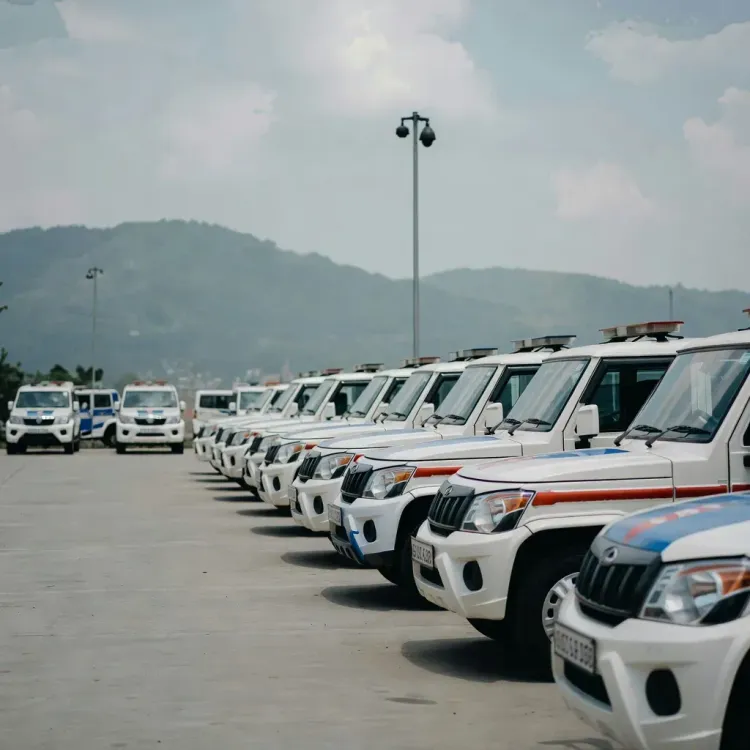
Enhanced mobility assets have also been added to the Nagaland Police fleet as part of the programme.
Central support flows through the long-standing Modernisation of Police Forces (MPF) scheme and dedicated MHA packages for northeastern states.
The PHQ Nagaland and state Home Department are the primary implementation agencies for these technology deployments.
Integration of surveillance networks in key districts like Kohima and Dimapur will be the next operational milestone to watch.
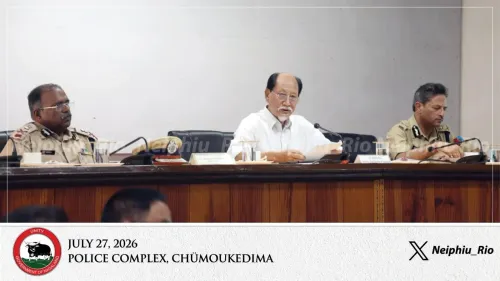
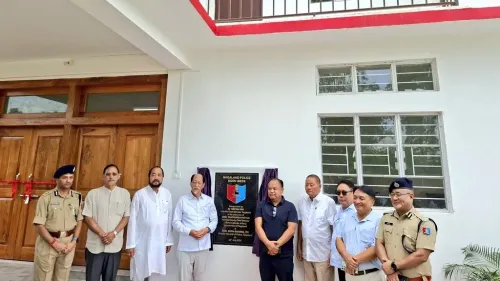
Nagaland Chief Minister Neiphiu Rio on Monday, 27 July 2026, credited the proactive efforts of the state's Police Headquarters (PHQ) and Home Department, along with the support of the Ministry of Home Affairs (MHA), for enabling a wide-ranging modernisation of the Nagaland Police force — covering enhanced mobility, surveillance infrastructure, and digital policing tools.
Context
Responding to a post by AIR News Kohima, Chief Minister Rio stated that through these combined efforts, Nagaland has been able to deploy Automatic Number Plate Recognition (ANPR) systems, CCTV surveillance infrastructure, a Smart Police Suite, and other technology upgrades alongside improved vehicular mobility for the force. The statement underscores a coordinated push between the state and the central government to bring modern tools to a police force operating in one of India's more complex security environments.
Rio's acknowledgment of the MHA's role reflects the structured channel through which northeastern states have historically accessed central funding and technical assistance for law enforcement capacity-building.
Policy Backdrop
The modernisation of state police forces has been a long-standing pillar of India's internal security strategy, with the Modernisation of Police Forces (MPF) scheme — first introduced in the 1960s and periodically revised — channelling central funds to states for equipment, mobility assets, and technology. Northeastern states, including Nagaland, have received targeted assistance under dedicated MHA packages linked to security stabilisation and development following multiple ceasefire agreements since the 1990s.
Nagaland Police operates in a region with a history of ethnic tensions and insurgent activity, making technology-led policing — from ANPR to CCTV grids — particularly significant for both routine law enforcement and counter-insurgency support roles.
Stakeholders and Impact
The primary beneficiaries of these upgrades are the Nagaland Police personnel who gain operational tools, and the residents of Nagaland who stand to see improved public safety through enhanced surveillance and faster response capabilities. The Smart Police Suite — a digital case and records management system — is expected to streamline administrative functions and improve data-driven policing across the state.
The PHQ Nagaland and the state Home Department are central to the implementation chain, translating central scheme allocations into on-ground deployment. Their proactive role, as highlighted by the Chief Minister, signals institutional ownership of the modernisation agenda beyond just financial dependence on the centre.
What's Next
Observers will watch for the integration of ANPR and CCTV networks into daily policing operations across Kohima, Dimapur, and other key districts, as well as any forthcoming state budget allocations or MHA review meetings on subsequent phases of the modernisation programme. The pace of deployment and the extent to which these systems are operationalised — rather than merely procured — will be the true measure of the initiative's impact on ground-level policing in Nagaland.
Point of View
Where the political relationship with Delhi has historically been complicated by the Naga peace process. By foregrounding institutional actors — the PHQ and the Home Department — rather than framing this as a personal achievement, Rio positions the modernisation as a systemic, durable effort rather than a political one. The emphasis on technology such as ANPR and CCTV also reflects a broader national shift toward surveillance-led policing in insurgency-affected regions, raising questions about civil liberties that are likely to surface as these systems scale. For the NDPP government, credibly demonstrating improved law and order through visible infrastructure is also an electoral asset ahead of any future state polls.
NationPress
27 Jul 2026
Frequently Asked Questions
What technology upgrades has Nagaland Police received in 2026?
Nagaland Police has received Automatic Number Plate Recognition (ANPR) systems, CCTV surveillance infrastructure, a Smart Police Suite, and enhanced vehicular mobility as part of its modernisation drive acknowledged by CM Neiphiu Rio in July 2026.
What is the Smart Police Suite in Nagaland?
The Smart Police Suite is a digital policing platform being deployed in Nagaland that is designed to streamline case management, records, and administrative functions for the state police force.
How does the Ministry of Home Affairs support Nagaland Police?
The MHA provides central funding and technical assistance to Nagaland through schemes such as the Modernisation of Police Forces (MPF) programme, which covers equipment, mobility, and technology upgrades for state police forces.
Who is responsible for implementing police modernisation in Nagaland?
The Police Headquarters (PHQ) Nagaland and the state Home Department are the primary agencies implementing the modernisation programme, with central support from the Ministry of Home Affairs.
Why is police modernisation important for Nagaland?
Nagaland has a complex security history marked by insurgency and ethnic tensions, making technology-led policing tools like ANPR and CCTV critical for improving both routine law enforcement and broader public safety outcomes.