CM Rio Visits Mon to Review Relief, Restoration Work
Synopsis
Nagaland Chief Minister Neiphiu Rio visited Mon district on 20 July 2026 to assess calamity conditions, met community leaders and relief workers, and conducted an aerial survey of Tizit and Tuli. The state government has reaffirmed its commitment to early restoration of affected areas.
Key Takeaways
CM Neiphiu Rio made an on-ground visit to Mon district on 20 July 2026 to assess calamity conditions.
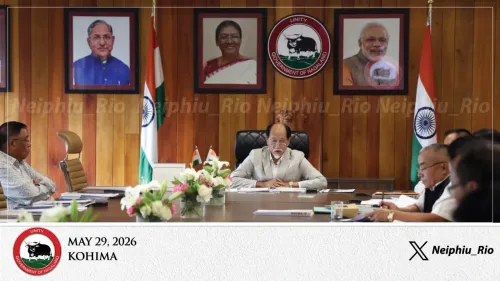
He met with community leaders and those leading relief efforts in the affected areas.
An aerial survey of Tizit subdivision and Tuli was conducted to gauge the extent of damage.
Ongoing response and restoration work was reviewed during the visit.
The state government has reaffirmed its commitment to 'relief and early restoration of affected areas.' Such visits typically precede formal requests for central assistance under the National Disaster Response Fund .
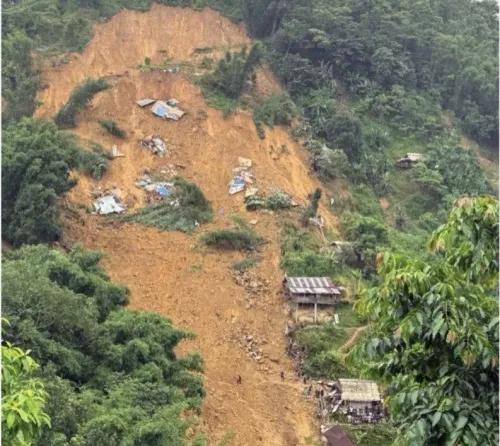
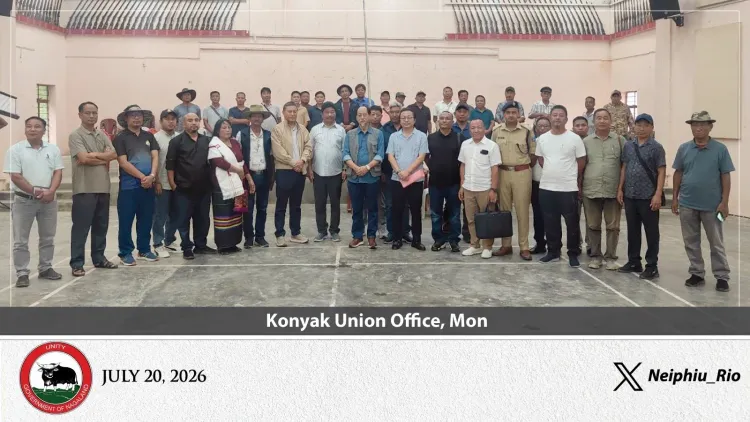
Nagaland Chief Minister Neiphiu Rio visited Mon district on Monday, 20 July 2026, to conduct a ground assessment of conditions following a calamity that has affected the northernmost district of the state. He met with community leaders and relief workers, reviewed ongoing response and restoration operations, and carried out an aerial survey of Tizit and Tuli.
Context
Mon district, bordering Myanmar, is among Nagaland's most remote and connectivity-challenged regions, frequently battered by monsoon-season landslides and flooding. The Chief Minister's post on X confirmed he met with 'community leaders and those leading relief efforts' and reviewed 'ongoing response and restoration work,' signalling that relief operations were already under way before his visit.
An aerial survey of Tizit subdivision and Tuli was also conducted, a standard step for senior officials to gauge the extent of damage across terrain that is often inaccessible by road during the monsoon months. Rio stated plainly: 'The Govt. remains committed to relief and early restoration of affected areas.'
Policy Backdrop
Northeast Indian states have a well-established practice of deploying senior political leadership for aerial and ground assessments during the monsoon season. Such visits serve a dual administrative purpose: they allow first-hand appraisal of damage and simultaneously send a signal of governmental responsiveness to affected communities.
The Nagaland State Disaster Management Authority, strengthened under the Disaster Management Act, 2005, coordinates annual pre-monsoon preparedness reviews and post-event relief logistics. Ground visits by the Chief Minister typically precede formal requests for assistance under the National Disaster Response Fund, channelled through the central government.
Tizit and Tuli have historically required periodic relief interventions due to their vulnerability to seasonal weather disruptions, with road connectivity being the most critical and recurring challenge in these hill areas.
Stakeholders and Impact
The most directly affected are residents of Mon district, including communities in Tizit and Tuli, who depend on state-led relief for food, shelter, and restoration of basic services during calamities. Relief workers and community leaders — whom Rio met during the visit — form the operational backbone of the response.
Broader stakeholders include the state administration, which must coordinate restoration of road and infrastructure links, and the central government, which may be called upon to release funds for large-scale rehabilitation. The visit underscores the pressure on Nagaland's disaster management machinery during what is typically the most demanding stretch of the monsoon calendar.
What's Next
The state government is expected to compile a formal damage assessment based on inputs from the ground visit and the aerial survey. This report will likely inform any request for central assistance under the National Disaster Response Fund.
Timelines for road and infrastructure restoration in Mon district — including in Tizit and Tuli — are expected to be a key agenda item in the coming weeks. Progress on relief and rebuilding efforts will also be closely watched ahead of the next state assembly session.
Frequently Asked Questions
Why did Nagaland CM Neiphiu Rio visit Mon district in July 2026?
CM Neiphiu Rio visited Mon district on 20 July 2026 to assess ground conditions following a calamity, meet community leaders and relief workers, and review ongoing restoration efforts.
What is the significance of the aerial survey of Tizit and Tuli?
An aerial survey allows senior officials to assess damage across terrain that is often inaccessible by road during monsoon months. The survey of Tizit and Tuli helps the state government plan targeted restoration and supports requests for central disaster funds.
What is the National Disaster Response Fund and how does it apply to Nagaland?
The National Disaster Response Fund is a central government mechanism that provides financial assistance to states for relief and restoration after natural calamities. Ground and aerial assessments by senior leaders like CM Rio typically precede formal requests for such funds.
How often does Mon district face calamities?
Mon district , bordering Myanmar , is among Nagaland's most vulnerable regions, frequently affected by monsoon-season landslides, flooding, and connectivity disruptions that require periodic relief interventions.
What happens after the Chief Minister's visit to a disaster-hit area in Nagaland?
Following such visits, the state administration typically compiles a formal damage assessment that guides restoration timelines and may form the basis for a request for assistance under the National Disaster Response Fund .