CM Sawant Backs Wind Energy on Global Wind Day
Synopsis
Goa Chief Minister Pramod Sawant marked Global Wind Day on 15 June 2026 by championing wind power as a pillar of India's energy security and climate strategy, spotlighting the country's rise to the fourth-largest wind market and its 500 GW non-fossil capacity target for 2030.
Key Takeaways
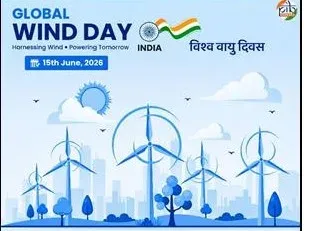
Goa CM Pramod Sawant posted on Global Wind Day, 15 June 2026 , endorsing wind energy as a key driver of India's clean energy future.
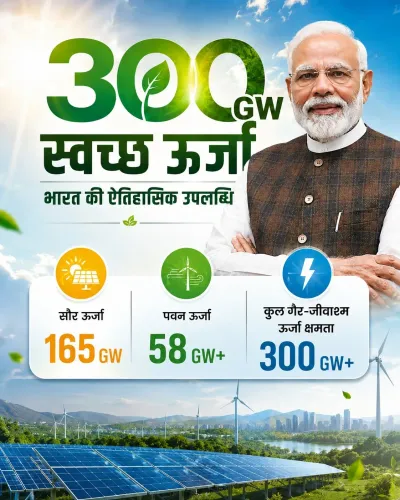
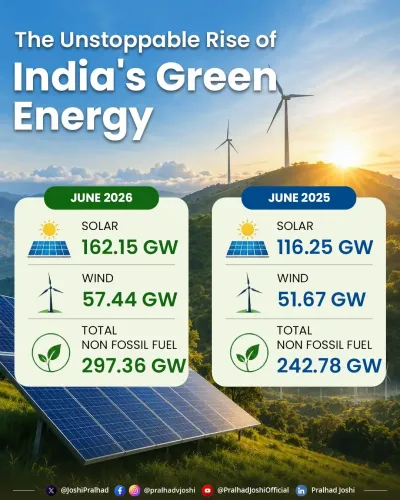
India has grown its installed wind capacity from under 25 GW in 2014 to over 45 GW by 2024, ranking it the fourth-largest wind market globally.
India's Panchamrit commitments target 500 GW of non-fossil fuel capacity by 2030 and net-zero emissions by 2070 .
The National Offshore Wind Energy Policy (2015) enables coastal states like Goa to develop seabed-leased wind projects.
Sawant linked wind investments to energy security, economic growth, environmental conservation and national self-reliance.
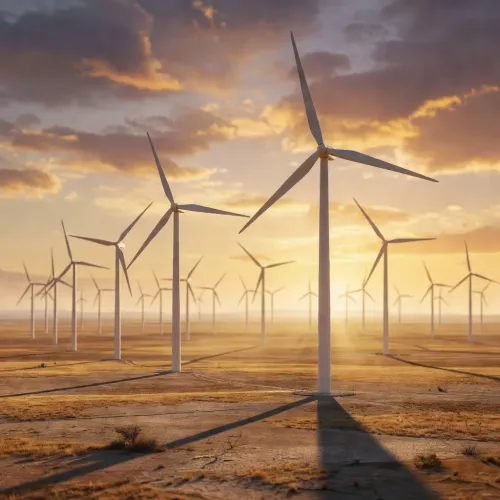
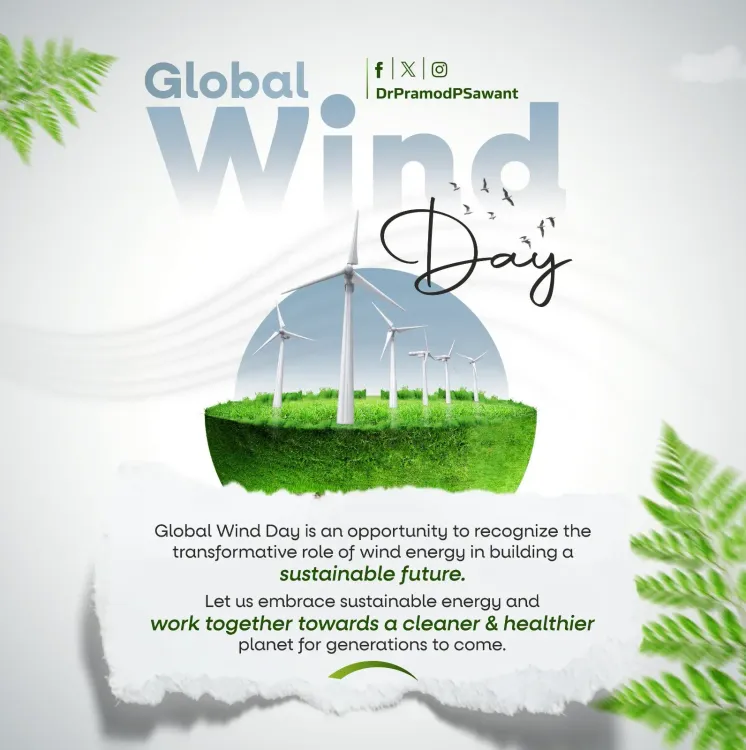
Goa Chief Minister Pramod Sawant on Monday, 15 June 2026 used Global Wind Day to underline wind power's role in India's clean energy transition, calling it one of the 'cleanest and most abundant sources of renewable energy' and linking investments in the sector to a 'greener, more self-reliant and climate-resilient future.'
Context
Global Wind Day, observed every 15 June, is an annual worldwide observance that highlights wind energy's potential as a mainstream renewable resource. CM Sawant used the occasion to align Goa — a western coastal state with offshore wind potential — with the national narrative on clean energy. His post stressed that wind power 'contributes significantly to energy security, economic growth and environmental conservation.'
Policy Backdrop
India committed at COP26 in 2021 to its Panchamrit climate pledges, which include achieving 500 GW of non-fossil fuel capacity by 2030 and reaching net-zero emissions by 2070. The Ministry of New and Renewable Energy oversees policy and capacity addition for wind and other renewables, while the National Offshore Wind Energy Policy, notified in 2015, enables seabed leasing and project development along Indian coasts — a framework directly relevant to states like Goa.
India has scaled its installed wind capacity from under 25 GW in 2014 to over 45 GW by 2024, making it the fourth-largest wind market globally. Central and state policies increasingly combine wind with solar hybrids and green hydrogen to meet rising electricity demand, mirroring parallel self-reliance drives in solar manufacturing and battery storage.
Stakeholders and Impact
Renewable energy investors and coastal states stand to gain most from accelerated wind development. For Goa, which balances tourism, mining and a growing services economy, offshore wind represents a potential new revenue and employment stream without large land-use conflicts. CM Sawant's public endorsement on a globally recognised observance signals state-level political will that developers and financiers typically look for before committing capital.
Broader beneficiaries include electricity consumers who gain from diversified generation sources, and India's import bill, which shrinks as domestic renewables displace fossil fuel purchases. The self-reliance framing in Sawant's post echoes the Centre's Aatmanirbhar Bharat emphasis on reducing energy import dependence.
What's Next
Attention will now turn to state-level tender outcomes for offshore wind blocks and any Goa-specific project announcements ahead of the next renewable purchase obligation review. Whether CM Sawant's statement translates into concrete policy action — such as earmarking coastal zones or partnering with central agencies on feasibility studies — will be the real measure of the state's commitment to the renewable energy goals he articulated on Global Wind Day 2026.
Point of View
And a public statement from the Chief Minister helps signal investor-readiness. The self-reliance framing also keeps Goa's positioning consistent with the broader Aatmanirbhar Bharat energy doctrine. Whether this rhetorical alignment converts into policy action will depend on Goa's participation in upcoming renewable purchase obligation reviews and central offshore block auctions.
NationPress
13 Sept 2026
Frequently Asked Questions
What is Global Wind Day and why does India observe it?
Global Wind Day is observed every 15 June worldwide to promote wind energy as a clean, abundant renewable resource. India, as the fourth-largest wind market globally, uses the occasion to highlight progress toward its 500 GW non-fossil capacity target by 2030.
What did Goa CM Pramod Sawant say on Global Wind Day 2026?
CM Pramod Sawant said wind power is one of the 'cleanest and most abundant sources of renewable energy' and that investments in it are helping build a 'greener, more self-reliant and climate-resilient future' for India.
How much wind energy capacity does India have?
India's installed wind capacity crossed 45 GW by 2024, up from under 25 GW in 2014, making it the fourth-largest wind energy market in the world.
Does Goa have offshore wind energy projects?
Goa has offshore wind potential under India's National Offshore Wind Energy Policy of 2015, which allows seabed leasing along Indian coasts, but specific project announcements for the state are still awaited.
What is India's renewable energy target for 2030?
India committed at COP26 in 2021 to achieving 500 GW of non-fossil fuel electricity capacity by 2030 and reaching net-zero emissions by 2070, as part of its Panchamrit climate pledges.