CM Yogi Highlights ODOP: 75 Districts, 75 Products, One Vision
Synopsis
Uttar Pradesh CM Yogi Adityanath has spotlighted the state's One District One Product (ODOP) scheme, launched in 2018, crediting technology integration, market access, and branding for empowering artisans across all 75 districts. The programme is watched as a national model for regional economic specialisation.
Key Takeaways
CM Yogi Adityanath reaffirmed the One District One Product (ODOP) scheme on 5 November 2026 .
All 75 districts of Uttar Pradesh have one identified signature product under the scheme.
ODOP was launched in 2018 to develop and promote district-specific products.
The three-pillar approach covers technology linkage , market access , and branding .
Primary beneficiaries are local artisans and small-scale producers across the state.
ODOP is watched nationally as a potential template for regional economic specialisation .
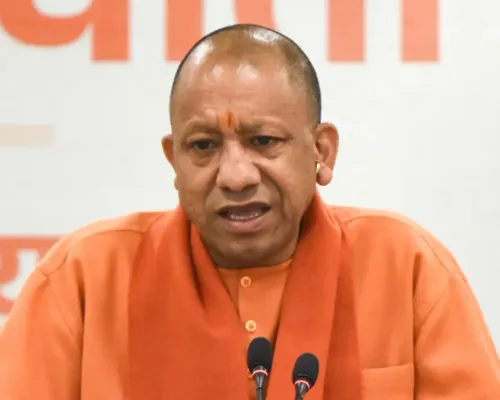
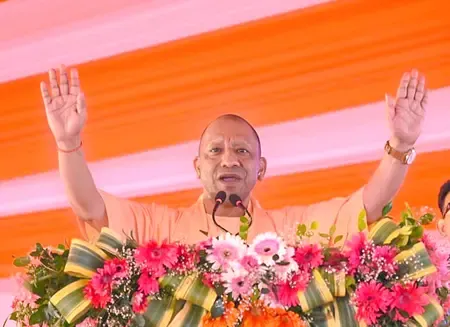
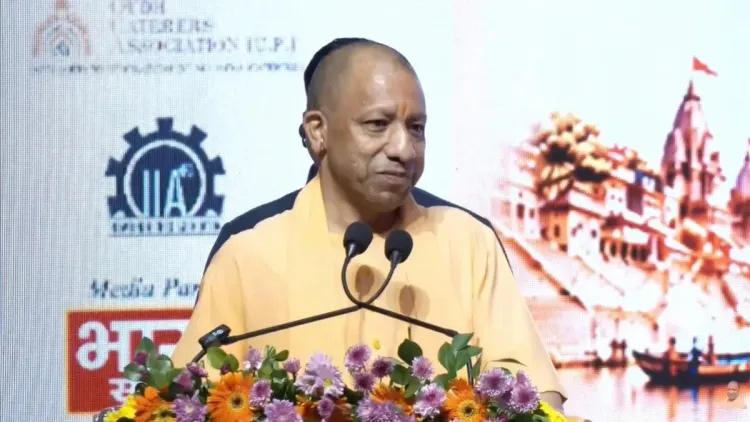
Every district in Uttar Pradesh has a story to tell — and Uttar Pradesh Chief Minister Yogi Adityanath wants the world to hear all 75 of them. On Thursday, 5 November 2026, the Chief Minister highlighted the state's flagship One District One Product (ODOP) scheme, underscoring how technology, market access, and branding have been deployed to put each district's signature product on the map.
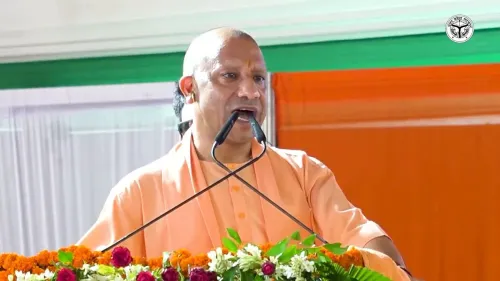
Speaking on the initiative, CM Yogi said: 'All 75 districts of Uttar Pradesh have one specific product each. We connected those products with technology, made markets available to them, and did their branding.' The statement captures the three-pillar approach that has defined the ODOP programme since its launch.
What ODOP Is and Why It Matters
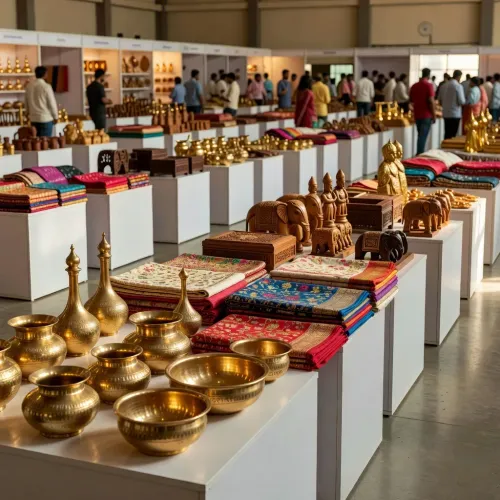
The One District One Product scheme was launched by the Uttar Pradesh government in 2018 with a straightforward premise: identify the single most distinctive product of each of the state's 75 districts — from Lucknow's chikan embroidery to Agra's leather goods to Varanasi's silk — and build an ecosystem around it. The goal was to give local artisans and small-scale producers a supply chain, a digital footprint, and a brand identity they could not build alone.
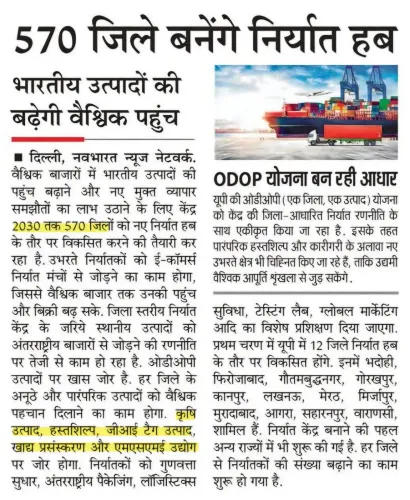
The scheme fits squarely within India's broader push for regional economic specialisation and export promotion. Rather than competing with large industrial hubs, ODOP bets on the irreplaceable character of place-rooted craftsmanship — the idea that a product made in its home district carries an authenticity no factory floor can replicate.
Technology and Branding as the New Artisan's Toolkit
CM Yogi's emphasis on technology is deliberate. Linking traditional producers to e-commerce platforms, digital payment systems, and logistics networks has been central to the scheme's market-access promise. Branding — giving each district product a visual identity, a certification mark, and a marketing push — transforms a local craft into a recognisable commodity for urban and international buyers alike.
The beneficiaries are not abstract: they are weavers, potters, metalworkers, and food producers whose livelihoods are tied to whether their goods find buyers beyond the weekly haat (local market). For them, the scheme's promise of technology and market linkage is the difference between subsistence and scale.
A Template Watched Nationally
Uttar Pradesh's ODOP has drawn attention as a replicable model. The state's sheer scale — India's most populous, with a GDP larger than many countries — means that if the scheme delivers measurable export growth and artisan income gains, it becomes a template other states and the central government can adopt and adapt. ODOP-linked export figures and the rollout of new technology platforms for district products remain the key data points to track in the months ahead.
Seventy-five districts, seventy-five products, one bet on the idea that India's economic diversity is not a problem to be smoothed over — it is an asset to be sold to the world.
Point of View
A large-state success on ODOP would provide a powerful proof of concept. The metrics that will truly test the claim — artisan income growth, export volumes, and platform adoption rates — are the numbers worth watching.
NationPress
5 Nov 2026
Frequently Asked Questions
What is the One District One Product scheme in Uttar Pradesh?
The One District One Product (ODOP) scheme was launched by the Uttar Pradesh government in 2018 to identify one unique product per district — such as Lucknow's chikan embroidery or Agra's leather goods — and support it through technology, market access, and branding.
How many districts are covered under UP's ODOP scheme?
All 75 districts of Uttar Pradesh are covered under the ODOP scheme, with each district having one specific identified product.
What did CM Yogi say about ODOP?
CM Yogi Adityanath stated that all 75 districts of Uttar Pradesh have one specific product each, and that the government has connected those products with technology, made markets available to them, and carried out their branding.
Who benefits from the ODOP scheme in UP?
The primary beneficiaries of ODOP are local artisans, weavers, potters, food producers, and other small-scale producers whose livelihoods depend on the sale of their district's signature craft or product.
Is ODOP a central government or state government scheme?
ODOP was launched as a Uttar Pradesh state government initiative in 2018. It has since drawn national attention and influenced similar regional specialisation frameworks at the central level.