UCC demand first raised by Congress in 1925, says Assam CM Sarma
Synopsis
Assam CM Himanta Biswa Sarma turned the UCC debate on its head in the state assembly, arguing that it was the Congress — not the BJP — that first championed a Uniform Civil Code, back in 1925. The claim reframes a politically charged issue as a matter of historical record, putting the opposition on the back foot in its own ideological territory.
Key Takeaways
Assam CM Himanta Biswa Sarma stated in the Assam Assembly on Wednesday that the UCC demand was first raised by the Indian National Congress in its 1925 session .
Sarma cited the Special Marriage Act of 1872 as India's first secular civil marriage framework.
He referenced the Nehru Committee Report and women's reform movements of the 1920s–1930s as early UCC advocacy.
Sarma expressed disappointment at Congress's current opposition to the UCC, questioning the party's departure from its historical position.
The Assam government says the proposed UCC aims to ensure equality, gender justice, and uniform civil rights across communities.
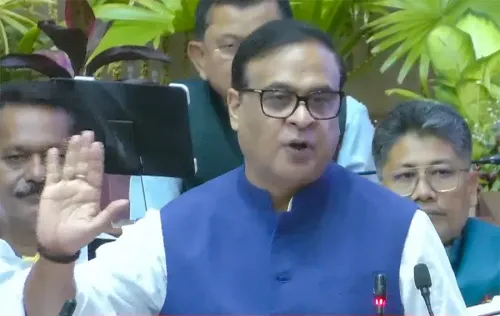
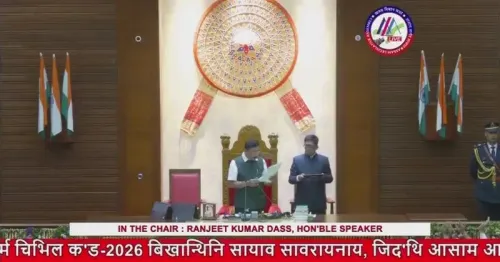
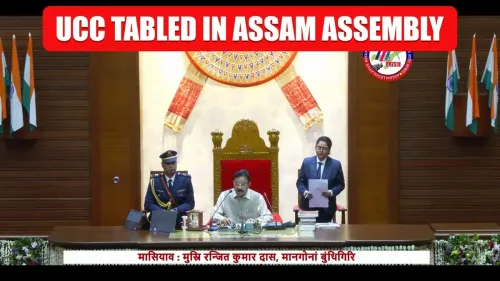
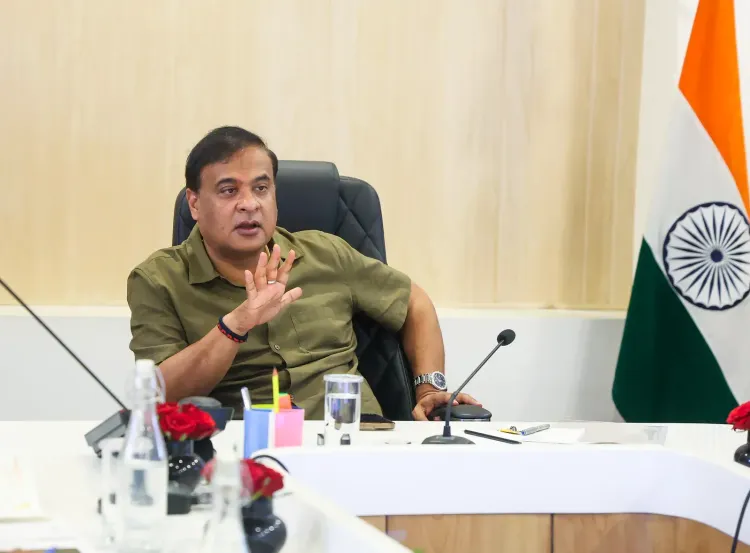
Assam Chief Minister Himanta Biswa Sarma on Wednesday declared in the Assam Assembly that the demand for a Uniform Civil Code (UCC) in India did not originate with the Bharatiya Janata Party (BJP) or the RSS, asserting that it was the Indian National Congress that first raised the idea — nearly a century ago, during its 1925 session. Sarma made the remarks while participating in the legislative discussion on the proposed UCC Bill in Guwahati.
Historical Roots of the UCC Demand
'When we speak about a Uniform Civil Code today, people immediately try to associate it only with the BJP or the RSS. But the history of the demand is much older,' Sarma said in the House. He argued that the concept of a common civil code carries a long constitutional and historical lineage stretching back to the colonial era, well before the BJP or the Jana Sangh were founded.
Sarma pointed to legal reforms introduced under British rule — in areas such as criminal law, evidence, and contracts — as early steps toward uniformity, even though personal laws governing marriage and inheritance remained untouched. He also cited the Special Marriage Act of 1872 as a pioneering attempt to establish a secular civil marriage framework for individuals who chose to wed outside their personal religious laws. 'That law introduced the concept of secular civil marriage in India for the first time,' he said.
Nehru Committee and Women's Reform Movements
The Chief Minister further referenced the Nehru Committee Report and women's reform movements of the early twentieth century, noting that multiple leaders and organisations had advocated a gender-equal common code as far back as the 1920s and 1930s. 'The movement for gender equality through a common civil code is not new. It has existed since the 1920s and 1930s,' Sarma said, reinforcing his argument that the UCC's ideological roots predate the current political debate by decades.
Sarma's Swipe at Congress
Taking direct aim at the Congress's current stance, Sarma expressed disappointment over the party's opposition to the proposed UCC. He acknowledged that the Congress ideology was shaped by Mahatma Gandhi and Jawaharlal Nehru, but questioned why the party had now moved away from a position it had historically championed. The remarks are politically pointed: by invoking Congress's own legacy, Sarma sought to reframe the UCC debate as a matter of historical consistency rather than ideological partisanship.
Government's Stand on the Proposed UCC
The Assam government has maintained that the proposed UCC is designed to guarantee equality, gender justice, and uniform civil rights across all communities in the state. This comes amid a broader national conversation on the UCC, with Uttarakhand having already enacted its own version in 2024 — the first state in independent India to do so. Assam's legislative push signals that more states may follow, intensifying pressure on the Centre to act at the national level.
Point of View
And the Nehru Committee did address personal law reform. What Sarma sidesteps, however, is that the post-independence Congress deliberately deferred the UCC under Article 44 as a Directive Principle rather than a fundamental right — a conscious political choice, not a reversal. The real question for Assam's UCC Bill is not who first demanded it, but whether the draft adequately protects minority religious practices while delivering on its gender-justice promise. That substantive debate risks being drowned out by a history lesson designed more for political point-scoring than legislative clarity.
NationPress
10 Oct 2026
Frequently Asked Questions
What did Assam CM Himanta Biswa Sarma say about the UCC and Congress?
Sarma said the demand for a Uniform Civil Code was first strongly articulated by the Indian National Congress during its 1925 session, predating the BJP and the Jana Sangh. He made the remarks during the Assam Assembly debate on the proposed UCC Bill.
What is the Assam UCC Bill about?
The Assam government's proposed Uniform Civil Code aims to establish equal civil rights — covering areas such as marriage, divorce, and inheritance — across all communities in the state, with a stated focus on gender justice and equality.
What historical references did Sarma cite in support of the UCC?
Sarma cited the Special Marriage Act of 1872, the Nehru Committee Report, and women's reform movements of the 1920s and 1930s as evidence that the push for a common civil code has deep historical roots in India, well before the current political debate.
Why did Sarma criticise the Congress over the UCC?
Sarma expressed disappointment that the Congress now opposes the UCC, arguing the party has abandoned a position it once championed. He questioned why a party inspired by Gandhi and Nehru had moved away from its earlier stance on a common civil code.
Which state first enacted a Uniform Civil Code in independent India?
Uttarakhand became the first state in independent India to enact a Uniform Civil Code, doing so in 2024. Assam's legislative push is seen as part of a broader momentum that could pressure the Centre to consider a national UCC.