Is Air Quality in Delhi Still Poor with AQI at 259?

Synopsis
Delhi continues to battle poor air quality, with the AQI reaching a concerning 259. As pollution levels spike across various regions, residents are urged to remain vigilant. With fluctuating temperatures and potential weather changes ahead, the situation remains critical. Stay informed and protect your health as we delve into the current state of Delhi's air quality.
Key Takeaways
Air Quality Index (AQI) in Delhi is at 259, categorized as 'poor'.
High pollution levels reported in various regions of the city.
Temperature exceeding 30 degrees Celsius for the first time this February.
Possible weather changes could bring slight relief in the coming days.
Understanding AQI levels is crucial for public health.
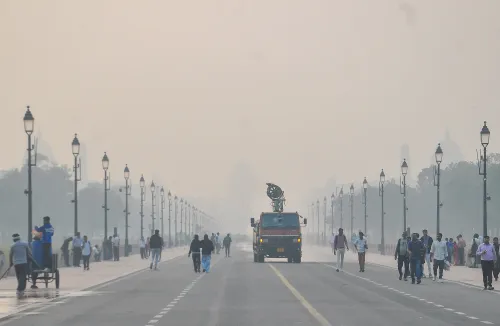
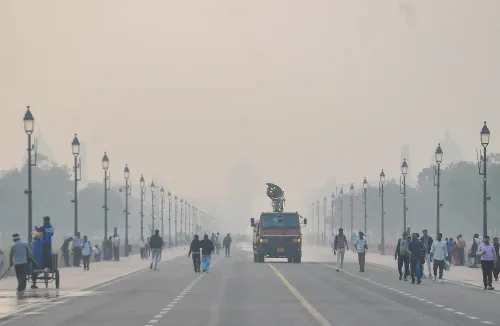
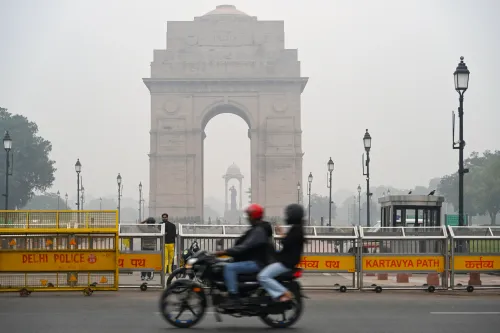
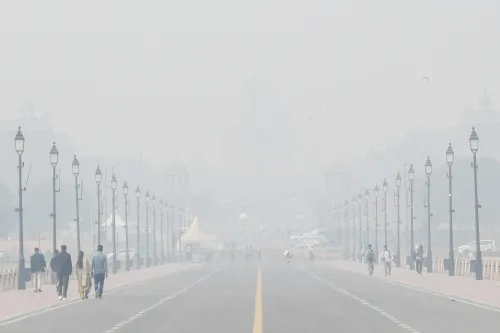
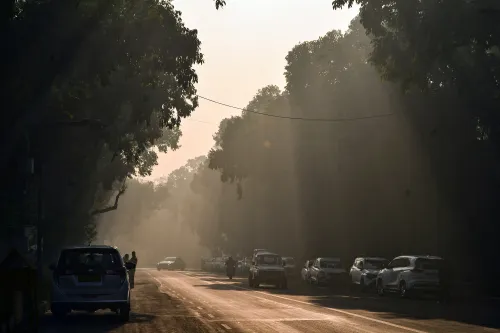
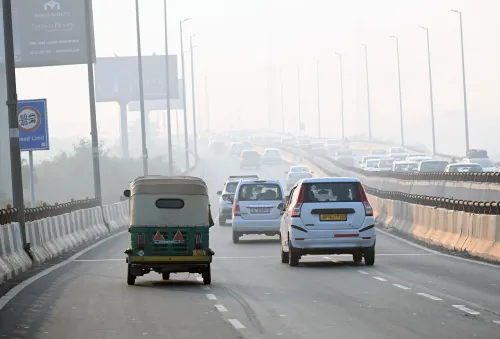
New Delhi, Feb 17 (NationPress) The air quality in the national capital has remained in the ‘poor’ category on Tuesday, with the AQI recorded at 259 during the morning hours, according to data from the Central Pollution Control Board (CPCB).
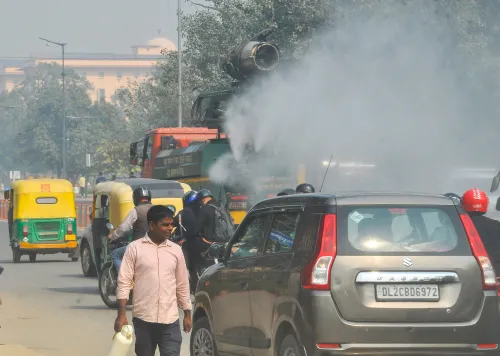
Several regions across Delhi reported elevated pollution levels, with numerous monitoring stations showing Air Quality Index (AQI) readings in the upper range of the ‘poor’ category, some even entering the ‘very poor’ zone.
As per the CPCB data, notable AQI readings included Anand Vihar at 319, Ashok Vihar 337, Bawana 321, Chandni Chowk 302, DTU 271, Dwarka-Sector 8 234, IIT Delhi 176, ITO 236, Jahangirpuri 331, Jawaharlal Nehru Stadium 267, Mundka 328, Nehru Nagar 257, Narela 289, Okhla Phase-2 224, Pusa 257, R K Puram 240, Rohini 340, Sonia Vihar 343, and Wazirpur 362.
On Monday morning, Delhi's overall air quality also lingered in the ‘poor’ category, with an AQI of 218 at 8 a.m. Data indicated that 24 monitoring stations recorded air quality in the ‘poor’ category, while 12 stations reported ‘moderate’ levels. Two stations fell into the ‘very poor’ category, suggesting that specific areas of the city faced notably higher pollution.
Additionally, Delhi experienced an unseasonably warm February day on Monday, with temperatures exceeding 30 degrees Celsius for the first time this season. The city recorded a maximum temperature of 31.6 degrees Celsius, which is seven degrees above the seasonal average. As per available data, this marked the earliest occurrence in five years of temperatures exceeding 30 degrees Celsius in February. The last instance was in 2021, when temperatures reached 30.4 degrees Celsius on February 11.
Weather predictions indicate that Tuesday may also remain warm, with clear skies and ample sunshine expected to maintain maximum temperatures between 29 and 31 degrees Celsius. However, a fresh western disturbance may bring slight relief starting Wednesday, with light rainfall and gusty winds of up to 40 km per hour.
Notably, Delhi's maximum temperature has risen sharply over the past few days, recorded at 25.4 degrees Celsius on February 12, 26.3 degrees on February 13, 27 degrees on February 14, 28.5 degrees on February 15, and continuing to increase subsequently.
The AQI scale, ranging from 0 to 500, categorizes air quality based on health impacts. An AQI of 0 to 50 is considered 'good', indicating minimal health risk. Levels between 51 and 100 are 'satisfactory', with sensitive groups possibly experiencing mild discomfort. The 'moderate' range, from 101 to 200, can cause breathing difficulties for individuals with asthma, lung, or heart conditions. An AQI of 201 to 300 is deemed 'poor', potentially leading to breathing discomfort for most people with prolonged exposure. Values from 301 to 400 are classified as 'very poor', increasing respiratory illness risk even for healthy individuals. The most hazardous category, 'severe', covers AQI levels from 401 to 500, where the air becomes dangerous for everyone.
Point of View
I emphasize that the persistent poor air quality in Delhi is a public health concern. It is imperative that we, as a nation, address these environmental challenges with urgency. The health of our citizens should be our top priority, and we must advocate for effective policies to combat pollution and improve air quality.
NationPress
20 Sept 2026
Frequently Asked Questions
What is the current AQI in Delhi?
As of February 17, the AQI in Delhi stands at 259, which is categorized as 'poor'.
What does 'poor' air quality mean?
The 'poor' category indicates that prolonged exposure can lead to health issues, particularly for sensitive groups.
How can I protect myself from poor air quality?
Limit outdoor activities, use air purifiers indoors, and wear masks when necessary to safeguard your health.
What factors contribute to high AQI in Delhi?
Factors include vehicular emissions, industrial pollution, construction dust, and seasonal weather patterns.
Will the weather change improve air quality?
There is potential for slight improvement with a fresh western disturbance expected to bring light rainfall.