Education Minister Pradhan hails Cabinet nod for 33% women's quota
Synopsis
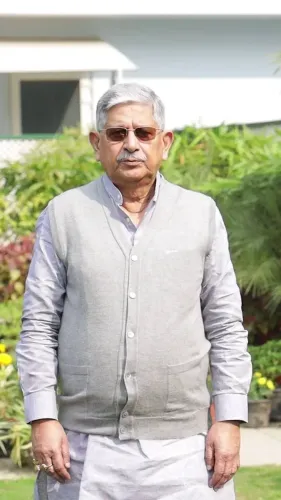
Union Education Minister Dharmendra Pradhan on 28 November 2026 hailed Cabinet approval of what he called the 132nd Constitutional Amendment Bill, saying it would open the path to 33 percent women's reservation in the Lok Sabha and deepen nari shakti's role in national decision-making.
Key Takeaways
Union Education Minister Dharmendra Pradhan on 28 November 2026 welcomed a Cabinet-cleared constitutional amendment he identified as the 132nd.
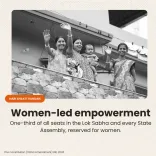
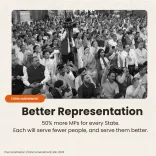
He said the Bill would open the path to 33 percent reservation for women in the Lok Sabha.
Pradhan credited Prime Minister Narendra Modi's leadership and said crores of women would gain a stronger role in nation-building.
India first introduced one-third women's reservation in panchayats and municipalities through the 73rd and 74th Amendments in 1992.
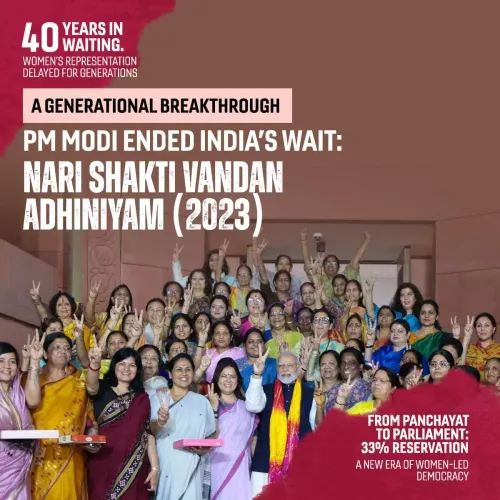
A related law providing 33 percent reservation in Parliament was enacted in 2023; introduction, debate and delimitation remain the next gates.
Union Education Minister Dharmendra Pradhan on 28 November 2026 framed a Cabinet-cleared constitutional amendment as the move that would open the path to 33 percent reservation for women in the Lok Sabha. Under Prime Minister Narendra Modi's leadership, he said, crores of women would get a larger share of national decision-making and a stronger hand in nation-building.
In a post on X, Pradhan said approval of the 132nd Constitutional Amendment Bill was an important step toward increasing women's participation in the country's democratic system. With the path to 33 percent women's reservation in the Lok Sabha being cleared, he wrote, nari shakti would gain greater participation and leadership in decision-making.
He added that the measure would give new direction to the dreams and aspirations of crores of women and further strengthen their role in nation-building. The original post put the aim as desh ki loktantrik vyavastha mein mahilaon ki bhagidari badhane (increasing women's participation in the country's democratic system).
Pradhan's nari shakti pitch for the Lok Sabha
The minister's message was not a procedural footnote. It was a claim about who gets to sit in India's lower House, and who gets to lead. He tied the Cabinet decision directly to Modi's leadership and to a promise of more women in the rooms where laws are written.
He did not list a parliamentary calendar. He did name the stake: crores of women, their aspirations, and a larger role in nation-building once the quota path is cleared.
From 1992 panchayat quotas to a parliamentary Bill
India first locked one-third reservation for women into local government through the 73rd and 74th Constitutional Amendments in 1992, covering panchayats and municipalities. That local-body experiment became the template for later national attempts. A related law providing 33 percent reservation in Parliament was enacted in 2023.
Pradhan presented Saturday's Cabinet decision as the next turn of that same thread. The constituency he named was explicit: Indian women, and the power they would hold if reserved seats actually appear on the Lok Sabha map.
The House floor and the delimitation gate
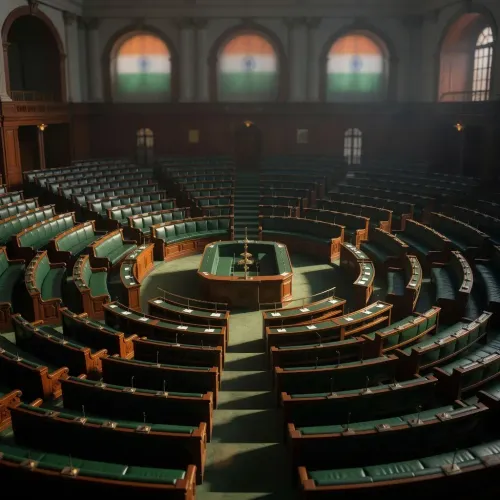
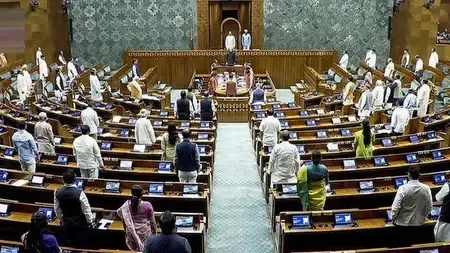
A Cabinet nod is not the last word on a constitutional amendment. The Bill still has to be introduced and debated in Parliament. Measures in this lineage have also been tied to a further procedural gate: delimitation, the redrawing of seats that decides when reserved constituencies come into force.
Pradhan's post did not spell out those steps. It did spell out the political claim — that clearing a 33 percent path in the Lok Sabha would recast nari shakti's place in national power.
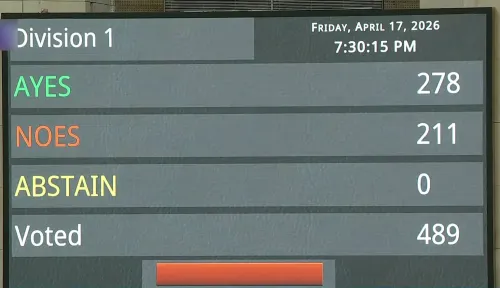
The next test is not the message on X. It is whether the Bill survives the floor of both Houses and the map that would have to follow.
Point of View
So the political signal is continuity rather than a first attempt. The unresolved tension is familiar: a quota on paper still has to survive the floor of Parliament and, historically, a delimitation exercise before seats are actually reserved. Watch the Bill's introduction and the delimitation calendar more closely than the wording of the tribute to nari shakti.
NationPress
28 Nov 2026
Frequently Asked Questions
What did Dharmendra Pradhan say about women's reservation in the Lok Sabha?
Union Education Minister Dharmendra Pradhan said the Union Cabinet had approved a constitutional amendment that would open the path to 33 percent women's reservation in the Lok Sabha. He called it an important step to increase women's participation and leadership in national decision-making.
What is the 132nd Constitutional Amendment Bill according to Pradhan?
Pradhan identified the measure cleared by the Union Cabinet as the 132nd Constitutional Amendment Bill. He said it would pave the way for 33 percent reservation for women in the Lok Sabha.
When did India first reserve seats for women in local bodies?
India introduced one-third reservation for women in panchayats and municipalities through the 73rd and 74th Constitutional Amendments in 1992. That local-body quota became the template for later attempts to reserve seats in Parliament.
Was a women's reservation law already passed for Parliament?
A related law providing 33 percent reservation in Parliament was enacted in 2023. Pradhan presented the latest Cabinet-cleared amendment as a continuation of that legislative thread.
What happens after Cabinet approval of such a constitutional amendment?
The Bill still has to be introduced and debated in Parliament. Measures in this lineage have also been linked to further steps such as delimitation before reserved seats come into force.