Gen Z vs netas: How India's politicians are chasing the reel generation
Synopsis
India's netas are in an unprecedented scramble for Gen Z — the first generation raised entirely on smartphones and reels. From Rahul Gandhi's Instagram 'Ask Me Anything' to Modi's 303-million-view video and Kejriwal's selfie-cam politics, the battle for the youth vote ahead of 2027 and 2029 has moved from the rally ground to the phone screen.
Key Takeaways
India's political class is actively reorienting toward Gen Z (born 1997–2012 ) ahead of the 2027 Assembly elections in UP and Punjab and the 2029 Lok Sabha elections .
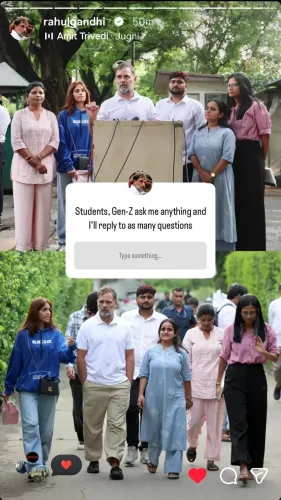
Rahul Gandhi launched a 'Chhatron Ki Goonj' campus series and an Instagram 'Ask Me Anything' session, sharing personal moments including his pet dog 'Noorie' .
Arvind Kejriwal has reportedly leveraged the Cockroach Janta Party (CJP) — linked to AAP associates — and selfie-style videos to reach younger audiences.
Akhilesh Yadav has advised SP leaders to master the language of reels; Dimple Yadav's appearance at the CJP Jantar Mantar protest became shareable social content.
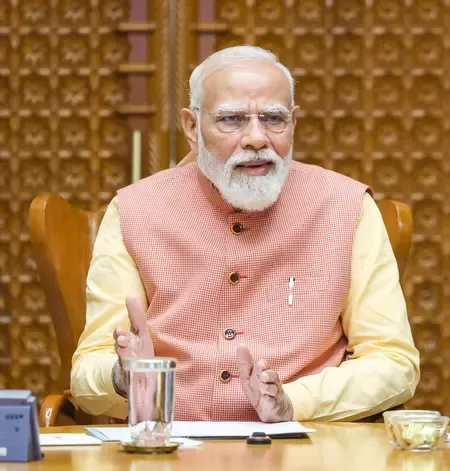
PM Modi's selfie-style Instagram video on exam paper leaks posted on 23 July reportedly crossed 303 million views in 24 hours , surpassing a record previously held by streamer IShowSpeed .
India's political class is undergoing a quiet but unmistakable transformation, and the catalyst is Generation Z — those born between 1997 and 2012, raised on smartphones, short-form video, and an entirely different grammar of public communication. With the 2027 Assembly elections in states like Uttar Pradesh and Punjab approaching, and the 2029 Lok Sabha elections on the horizon, India's netas have concluded that winning the reel may matter as much as winning the rally.
The New Political Wardrobe
The kurta-pyjama-and-stern-expression archetype of the traditional Indian politician is quietly giving way to slim-fit shirts, chinos, and sneakers. The shift is deliberate — a visual signal that politics is trying to look, and feel, relatable to a generation that judges authenticity as much by aesthetics as by ideology.
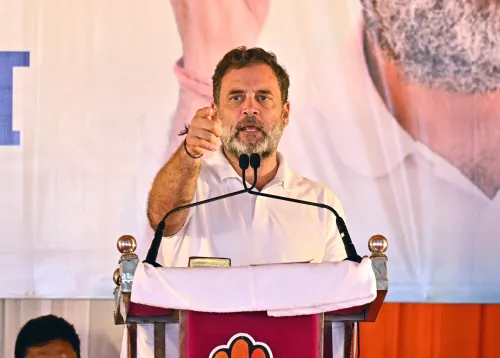
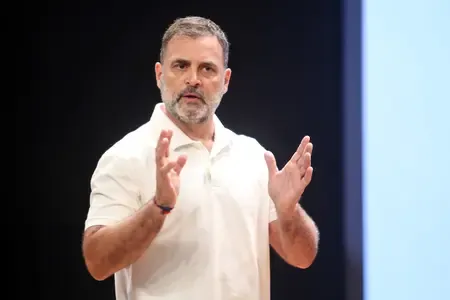
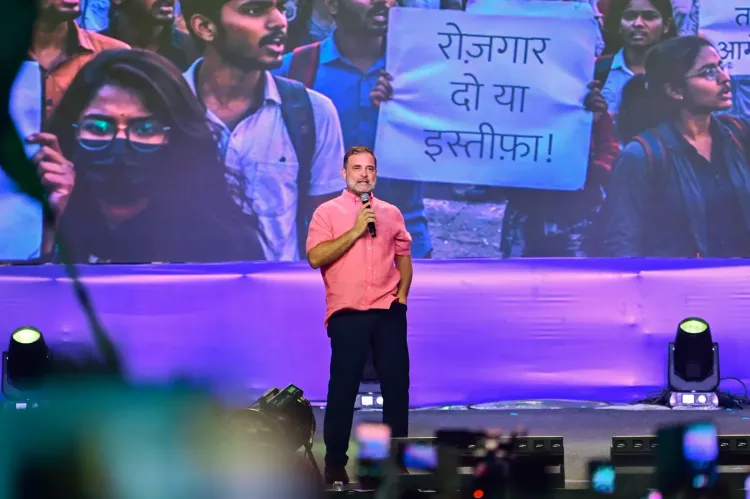
Congress leader Rahul Gandhi has been among the most visible in this reinvention. His 'Chhatron Ki Goonj' campus interaction series is designed to close the distance between the political class and students, while his personal style has shifted noticeably toward a more curated, contemporary look. Gandhi has also launched an 'Ask Me Anything' session on Instagram, using the format to share glimpses of his personal life — including his pet dog 'Noorie'. His remark about his mother's reaction to the dog's video appearance struck the informal, unscripted note that social-media audiences tend to reward.
Cockroaches, Selfies, and the AAP Playbook
Aam Aadmi Party (AAP) convenor Arvind Kejriwal has, reportedly, taken a different route. The Cockroach Janta Party (CJP) — born from viral internet content and reportedly linked to individuals associated with AAP, including Abhijeet Dipke and Ashutosh Ranka — has emerged as an unconventional vehicle for youth political engagement. Kejriwal himself has consistently deployed selfie-style videos as a direct communication tool, effectively turning the front-facing camera into a political microphone.
Meanwhile, Samajwadi Party chief Akhilesh Yadav, eyeing a return to the Uttar Pradesh Chief Minister's chair, has also read the room. During the CJP's Jantar Mantar protest, the presence of his wife and MP Dimple Yadav — whose emotional interactions with students became shareable content — illustrated how the SP is folding influencer logic into its political strategy. Yadav has reportedly advised senior party leaders to learn the language of reels and maintain active engagement with Gen Z audiences.
Modi's Numbers Speak Loudest
While many politicians are now discovering Gen Z, Prime Minister Narendra Modi has spoken about India's young population throughout his tenure and already commands a formidable following among younger Indians. A selfie-style Instagram video he posted on the night of 23 July, addressing examination paper leaks, reportedly crossed 303 million views within 24 hours — surpassing a previous global record attributed to American streamer IShowSpeed. Subsequent videos have continued to draw substantial numbers, underlining the scale of his digital reach.
Why Gen Z Is Different — and Why It Matters
Understanding what makes Gen Z distinct requires a brief look at who came before. The Baby Boomer generation (1946–1964) grew up in a world of social restrictions and limited information flow. Generation X (1965–1980) gained more freedom as technology entered homes. Millennials (1981–1996) witnessed the internet and mobile revolution. Gen Z, however, is the first generation for whom the smartphone and social media were not novelties but defaults — shaping how they consume information, form opinions, and, critically, how they expect to be addressed by public figures.
For this cohort, a politician need not be a distant figure on a stage. He or she can appear in the feed, speak directly, shift from serious to playful across consecutive reels, and occasionally introduce a pet. The political monologue has been replaced — at least aesthetically — by the illusion of dialogue.
The Competition Moves to the Phone Screen
The contest for Gen Z is no longer confined to the ground. It is playing out simultaneously on phone screens, in comment sections, and through the metrics of shares and saves. The old training manual — learn to address a rally first — is reportedly being supplemented by a new imperative: learn to make a reel first.
No previous generation has received this concentrated a degree of political attention, and Gen Z, by all accounts, is aware of its leverage. As the 2027 state elections draw closer, the neta who cannot adapt risks something that, in Gen Z terms, may be the ultimate political fate: being left on seen.
Point of View
But it risks confusing aesthetics for substance. Slim-fit shirts and Instagram dogs are not a policy platform, and Gen Z — often cited as the most politically sceptical generation — may be harder to win with optics alone than politicians assume. The more revealing data point is Modi's 303-million-view video: it was not about style, it was about a specific grievance (exam leaks) that directly affected young people. That suggests Gen Z responds to relevance, not just relatability. The parties that translate digital fluency into credible youth-focused policy — on employment, education, and mental health — will have a structural advantage. Those that stop at the sneakers will find Gen Z does, in fact, leave things on seen.
NationPress
9 Aug 2026
Frequently Asked Questions
Why are Indian politicians suddenly focused on Gen Z?
Gen Z — born between 1997 and 2012 — represents a rapidly growing share of the Indian electorate, with the 2027 state elections in UP and Punjab and the 2029 Lok Sabha elections approaching. Politicians across parties are competing for this cohort's attention and votes, leading to visible changes in communication style, wardrobe, and social media strategy.
What is Rahul Gandhi doing to connect with Gen Z?
Rahul Gandhi has launched the 'Chhatron Ki Goonj' campus interaction series and an 'Ask Me Anything' session on Instagram, where he has shared personal moments including his pet dog 'Noorie'. His public appearance has also shifted toward a more contemporary style — slim-fit shirts, denims, and sneakers.
How is PM Modi performing on social media with young audiences?
PM Modi's selfie-style Instagram video on examination paper leaks, posted on the night of 23 July, reportedly crossed 303 million views within 24 hours, surpassing a global record previously attributed to American streamer IShowSpeed. His subsequent Instagram videos have also drawn large viewership numbers.
What is the Cockroach Janta Party (CJP) and how is it linked to AAP?
The Cockroach Janta Party is a political group that emerged from viral internet content. Individuals reportedly associated with it, including Abhijeet Dipke and Ashutosh Ranka, have links to the Aam Aadmi Party. Arvind Kejriwal is believed, according to reports, to see it as one avenue for building a youth political base.
How is the Samajwadi Party reaching out to Gen Z voters?
SP chief Akhilesh Yadav has reportedly advised senior party leaders to learn the language of reels and stay connected with younger audiences. The party also used Dimple Yadav's presence and emotional interactions with students at the CJP's Jantar Mantar protest as shareable social media content.