Gadkari hails DRDO's BMD, NASM-MR defence tests
Synopsis
Union Minister Nitin Gadkari on 13 June 2026 congratulated DRDO for successfully demonstrating India's multi-layered Ballistic Missile Defence system and the Naval Anti-Ship Missile-Medium Range, calling the feat a milestone that places India among elite missile-capable nations.
Key Takeaways
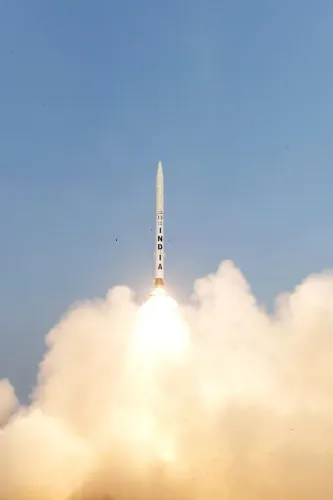
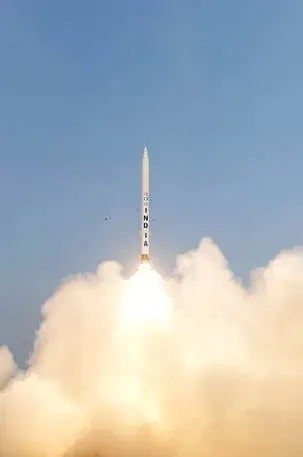
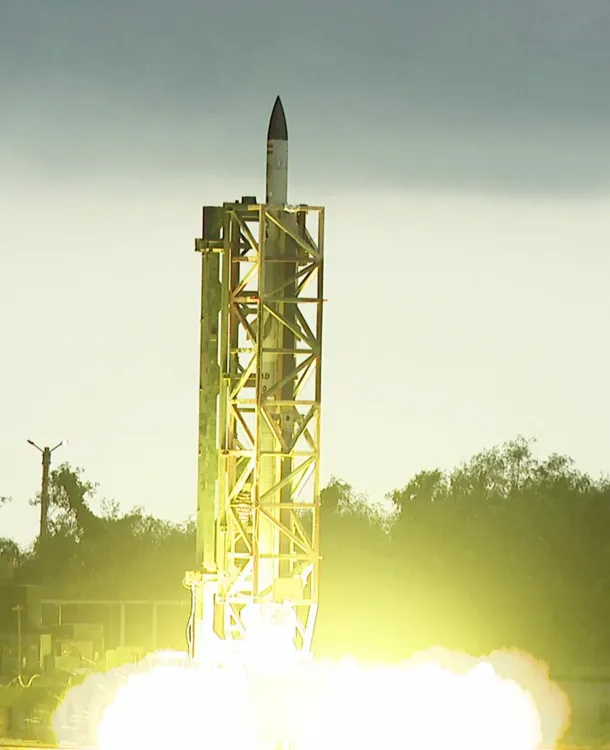
DRDO successfully demonstrated a multi-layered Ballistic Missile Defence (BMD) capability capable of intercepting long-range ballistic missile threats.
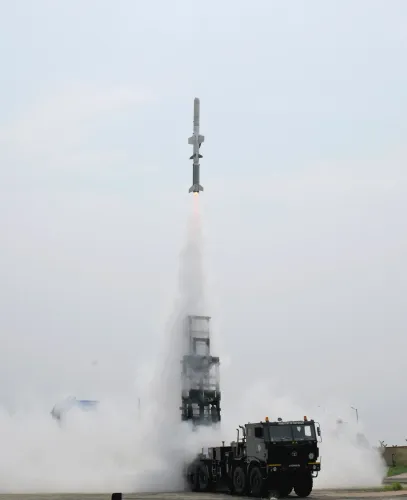
The Naval Anti-Ship Missile-Medium Range (NASM-MR) was demonstrated for precision strikes against surface vessels from airborne or ship-launched platforms.
Union Minister Nitin Gadkari stated the achievement places India among 'an elite group of nations with advanced BMD systems.' India's BMD programme has its roots in the Integrated Guided Missile Development Programme launched in 1983 , with the first interception trial in 2006 .
Both programmes are central to the government's Atmanirbhar Bharat defence policy aimed at reducing import dependence.
Next milestones include formal induction timelines into the Indian Navy and Air Force and potential follow-on production orders.
Union Road Transport and Highways Minister Nitin Gadkari on Saturday, 13 June 2026 congratulated the Defence Research and Development Organisation (DRDO) and its scientists for successfully demonstrating two critical defence technologies: a multi-layered Ballistic Missile Defence (BMD) capability and the Naval Anti-Ship Missile-Medium Range (NASM-MR).
Context
Gadkari, posting on X, described the demonstrations as 'remarkable,' stating that the tests 'validated interception of long-range ballistic missile threats through a multi-layered shield and showcased precision strike capability against hostile naval targets at medium range.' He added that the milestone 'places India among an elite group of nations with advanced BMD systems.'
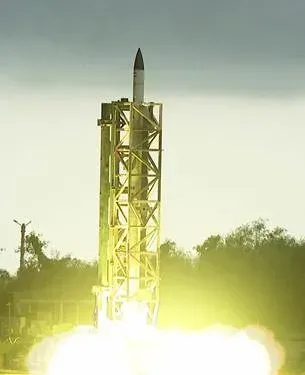
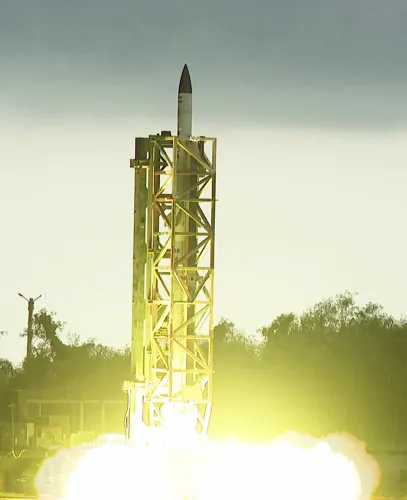
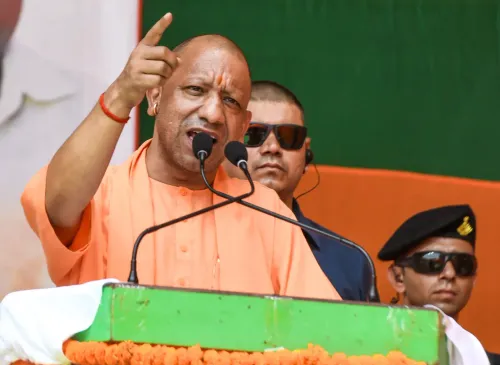
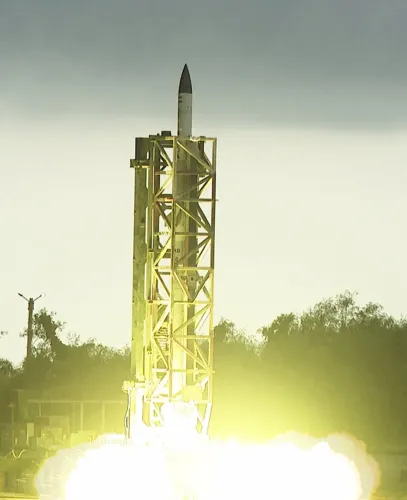
The congratulatory post, accompanied by three images, reflects broad political recognition of the tests across government, with senior ministers from portfolios beyond defence publicly acknowledging the achievement.
Policy Backdrop
India's missile self-reliance journey traces back to the Integrated Guided Missile Development Programme (IGMDP), launched in 1983, which seeded domestic capability across multiple missile families. The country's BMD programme took a foundational step in 2006 when the Prithvi Air Defence (PAD) system recorded its first successful interception trial, establishing the exo-atmospheric layer of what would grow into a multi-tiered shield.
The latest demonstrations build on that lineage, adding an endo-atmospheric intercept layer and a precision naval strike arm. Both programmes align with the government's Atmanirbhar Bharat defence policy, which seeks to reduce India's dependence on imported weapons platforms and expand the domestic defence industrial base.
The NASM-MR is designed for precision strikes against surface vessels and can be launched from airborne or ship-based platforms, extending the Indian Navy's reach against hostile naval targets at medium range.
Stakeholders and Impact
The primary beneficiaries of the demonstrated capabilities are the Indian Navy and the broader tri-services structure that relies on a credible BMD umbrella for strategic deterrence. DRDO scientists and the wider domestic defence manufacturing ecosystem — including public-sector undertakings and private-sector partners under the Make in India framework — stand to gain from the validation of indigenously developed systems.
A functional multi-layered BMD capability also carries significant diplomatic weight, signalling to adversaries and partners alike that India has joined a narrow club of nations — including the United States, Russia, and Israel — with proven missile interception systems. For the domestic industry, successful trials typically accelerate the path toward serial production contracts and technology spin-offs.
What's Next
Attention will now turn to induction timelines: when the BMD system and the NASM-MR will formally enter service with the Indian Navy and Air Force, and whether the Ministry of Defence announces follow-on user trials or production orders. The demonstrations mark a technology-readiness milestone, but the journey from successful test to operational deployment involves further evaluation, certification, and procurement processes. Gadkari's post underscores that political momentum across the government is firmly behind accelerating that path.
Point of View
Not a defence portfolio holder — broad cross-cabinet endorsement of DRDO milestones has become a deliberate signalling strategy under the current government, amplifying the political dividend of defence achievements. The BMD and NASM-MR demonstrations fit squarely into the Atmanirbhar Bharat narrative that has been the administration's most consistent policy branding exercise since 2020. Successful tests of strategic systems also serve as implicit deterrence communication, with the political class effectively acting as a megaphone for capabilities that defence establishments in other countries might announce more quietly. The real test of this milestone's depth will come when induction orders and operational timelines are made public.
NationPress
27 Oct 2026
Frequently Asked Questions
What did DRDO successfully demonstrate in June 2026?
DRDO demonstrated two critical defence technologies: a multi-layered Ballistic Missile Defence (BMD) system capable of intercepting long-range ballistic missiles, and the Naval Anti-Ship Missile-Medium Range (NASM-MR) for precision strikes against surface vessels.
What is the NASM-MR missile?
The NASM-MR (Naval Anti-Ship Missile-Medium Range) is an indigenously developed missile designed for precision strikes against hostile naval surface targets at medium range, and can be launched from airborne or ship-based platforms.
Which countries have advanced BMD systems like India?
India now joins a narrow group of nations with proven multi-layered ballistic missile defence capabilities, a club that includes the United States, Russia, and Israel.
How does this relate to Atmanirbhar Bharat?
Both the BMD programme and NASM-MR are products of India's push for defence self-reliance under the Atmanirbhar Bharat policy, which aims to reduce dependence on imported weapons and grow the domestic defence industrial base.
When did India's ballistic missile defence programme begin?
India's missile self-reliance efforts trace back to the Integrated Guided Missile Development Programme launched in 1983, with the first successful BMD interception trial conducted in 2006 using the Prithvi Air Defence system.