Gadkari hails PM Modi's ₹21,800 cr Pune Metro launch
Synopsis
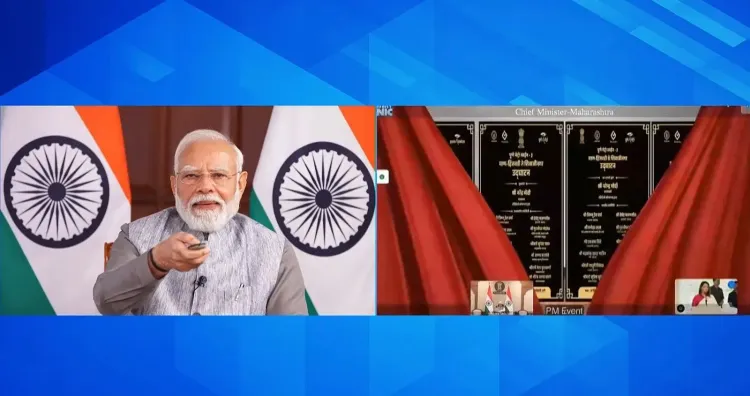
PM Modi inaugurated Pune Metro projects worth ₹21,800 crore on 3 November 2026, including the 23-km Pink Line connecting Hinjewadi IT hub to Shivajinagar — notable for all-women train operations and a 30% solar power target.
Key Takeaways
PM Modi inaugurated and laid foundation stones for Pune Metro projects worth approximately ₹21,800 crore on 3 November 2026 .
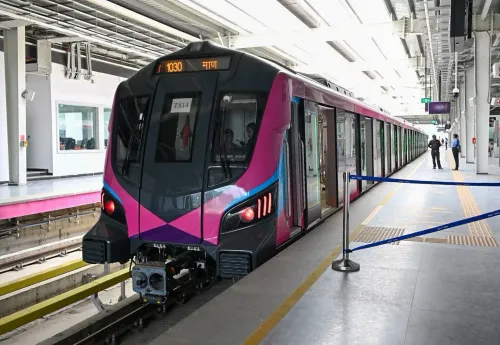
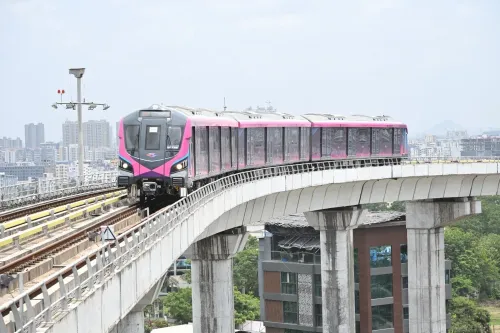
The Pink Line spans around 23 kilometres , linking Maan to District Court and connecting the Hinjewadi IT hub with Shivajinagar .
The corridor will be operated entirely by women , marking a pioneering gender-inclusion initiative in Indian urban transport.
Nearly 30% of the Pink Line's electricity is envisaged to come from solar power , advancing sustainable urban mobility goals.
The project is framed under the Viksit Bharat 2047 vision, combining modern infrastructure, gender inclusion, and environmental sustainability.
The Union Cabinet first approved the Pune Metro Rail Project in 2018 , making this inauguration the result of nearly a decade of development.
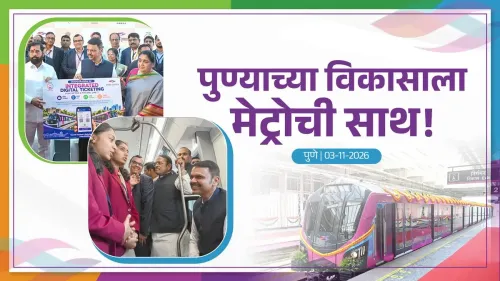
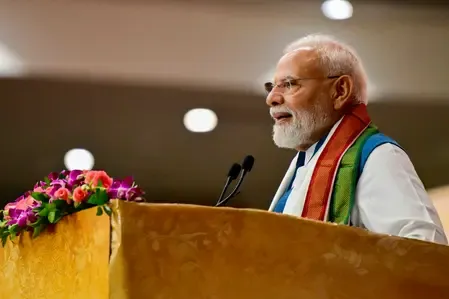
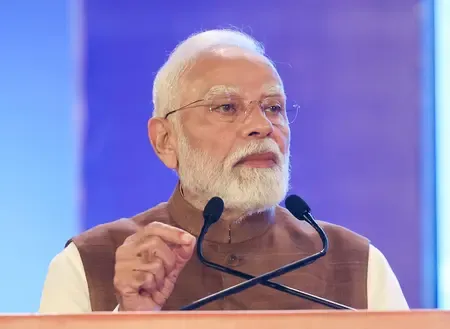
A 23-kilometre metro corridor staffed entirely by women is now Pune's most-watched infrastructure story — and on Tuesday, 3 November 2026, Union Road Transport and Highways Minister Nitin Gadkari made sure the country knew exactly what it means. Prime Minister Narendra Modi inaugurated and laid the foundation stone of Pune Metro projects worth approximately ₹21,800 crore, a milestone Gadkari called a 'new chapter in urban mobility, with women leading the way.'
The Pink Line: Hinjewadi to Shivajinagar in one sweep
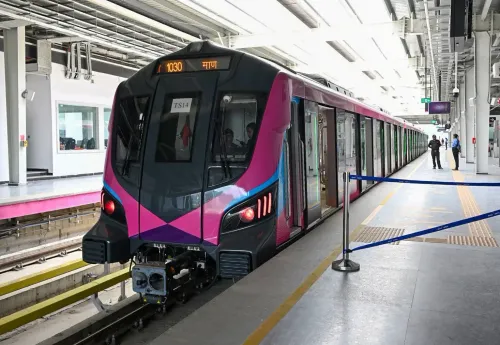
The centrepiece of the announcements is the Pink Line, a corridor stretching around 23 kilometres from Maan to District Court. Its defining strategic value: it stitches the Hinjewadi IT hub — home to thousands of technology workers who battle some of Pune's worst peak-hour congestion — directly into the city's core at Shivajinagar. The line is designed to integrate with Pune's existing metro network, giving commuters a seamless multi-corridor option for the first time.
The Union Cabinet had approved the Pune Metro Rail Project back in 2018, making today's inauguration the culmination of nearly a decade of planning, funding negotiations, and civil work. Pune sits among a string of tier-2 cities where the central government has pushed metro expansion since 2014, betting that modern rail infrastructure can absorb the growth pressures that roads alone cannot handle.
Women at the controls — a first for Pune's rails
The detail that has drawn the most attention is operational, not just architectural. The Pink Line will run with entirely women-operated train services — a pioneering model that Gadkari explicitly frames as 'celebrating women's empowerment and leadership in public infrastructure.' It is a visible, daily symbol rather than a symbolic gesture buried in a policy document.
The move mirrors a broader pattern of gender-focused operational decisions surfacing in select urban transport projects across India, but applying it to an entire metro corridor at launch is a notable step. For the IT sector workers of Hinjewadi — a workforce with a significant share of women employees — the daily reality of a women-operated commute carries particular resonance.
Solar power target and the Viksit Bharat thread
The corridor also carries an environmental ambition: nearly 30 per cent of its electricity requirements are envisaged to be met through solar power. Gadkari tied the entire package explicitly to the Viksit Bharat 2047 vision — the government's overarching blueprint for a developed India by the country's centenary of independence — framing modern infrastructure, gender inclusion, and environmental sustainability as a single, interlocked argument.
Whether the solar-power share and project-cost figures receive formal gazette notification will be worth watching; such targets sometimes shift between announcement and commissioning. The more immediate question is the operational rollout timeline for the Pink Line and whether the women-operated model gets replicated in other cities announcing metro expansions in the months ahead.
Pune's commuters now have a concrete corridor on the map — the real test begins the moment the first women-driven train pulls out of Maan.
Point of View
The government is road-testing a bundle of policy signals — gender inclusion, green infrastructure, economic connectivity — that can be replicated and amplified ahead of future urban rail announcements. Gadkari's post, tying the project explicitly to Viksit Bharat 2047, positions metro expansion not as routine civic investment but as the physical grammar of a larger national narrative. The political calculus in Maharashtra, a perennially contested state, adds another layer: high-visibility infrastructure in Pune's tech belt speaks directly to an aspirational, urban, professional voter cohort that both major alliances are courting.
NationPress
3 Nov 2026
Frequently Asked Questions
What is the Pune Metro Pink Line and where does it run?
The Pink Line is a new metro corridor spanning around 23 kilometres, connecting Maan to District Court in Pune. It links the Hinjewadi IT hub with Shivajinagar, integrating with Pune's existing metro network.
How much did the Pune Metro projects inaugurated by PM Modi cost?
PM Modi inaugurated and laid foundation stones for Pune Metro projects worth approximately ₹21,800 crore on 3 November 2026.
What makes the Pune Metro Pink Line unique in India?
The Pink Line will feature entirely women-operated train services, making it a pioneering initiative for gender inclusion in Indian public transport infrastructure.
What is the solar power target for the Pune Metro Pink Line?
Nearly 30% of the Pink Line's electricity requirements are envisaged to be met through solar power, making it part of India's push for sustainable urban mobility.
When was the Pune Metro Rail Project first approved?
The Union Cabinet approved the Pune Metro Rail Project in 2018. The project is part of a broader government push to expand metro networks to tier-2 cities across India.