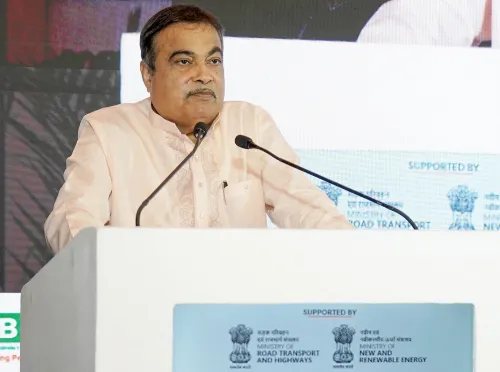
Gadkari at CII Bioenergy Summit: Scale-Up Key to Viksit Bharat
Synopsis
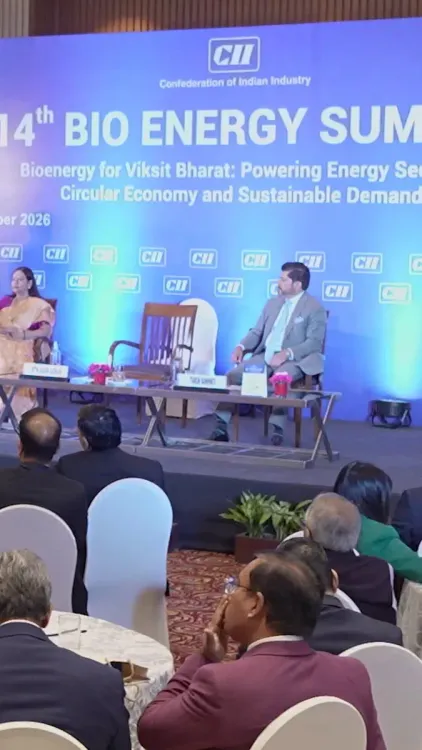
Union Minister Nitin Gadkari addressed the 14th CII Bioenergy Summit in New Delhi on 17 November 2026, calling for scaled-up bioenergy investment to reduce fossil fuel dependence, raise farmer incomes, create rural jobs, and advance India's Viksit Bharat 2047 goals.
Key Takeaways
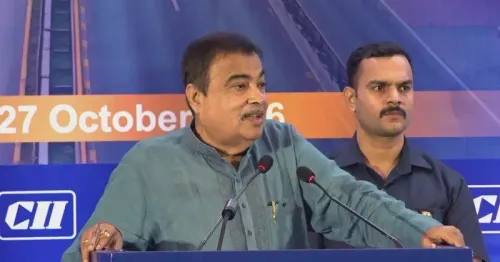
Union Minister Nitin Gadkari spoke at the 14th CII Bioenergy Summit in New Delhi on 17 November 2026 .
He argued bioenergy can reduce fossil fuel imports, boost farmer incomes, create rural jobs, and unlock value from agricultural waste.
Gadkari linked the bioenergy push to India's Viksit Bharat vision of becoming a developed nation by 2047 .
India's National Policy on Biofuels 2018 and the Ethanol Blended Petrol programme targeting 20% blending by 2025 form the policy foundation.
He called for stronger private investment and industry partnerships as critical to advancing energy security.
The summit audience — industry leaders from the Confederation of Indian Industry — represents the private capital the sector needs to scale.
India's farm fields and highway fuel pumps may be more connected than most realise — and Union Road Transport and Highways Minister Nitin Gadkari used the 14th CII Bioenergy Summit in New Delhi on 17 November 2026 to make exactly that case, arguing that scaling bioenergy is not merely an environmental choice but a rural economic imperative.
What Gadkari told the summit floor
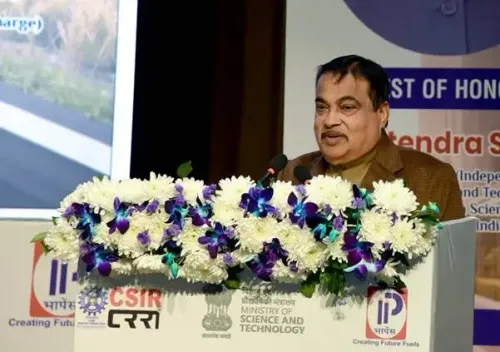
Addressing the Confederation of Indian Industry's annual bioenergy gathering, Gadkari laid out a multi-layered argument: bioenergy can simultaneously clean up India's energy mix, shrink the country's dependence on imported fossil fuels, lift farmer incomes, generate rural employment, and extract economic value from agricultural waste that currently goes up in smoke — literally. He called for stronger investments and deeper industry partnerships as the twin engines needed to drive energy security and move India closer to the Viksit Bharat vision of a developed nation by 2047.
From stubble fires to fuel tanks: the policy lineage
The pitch did not arrive in a vacuum. India's National Policy on Biofuels, 2018 broadened the range of permissible feedstocks and embedded progressive blending targets into national planning. The Ethanol Blended Petrol (EBP) programme subsequently pushed for 20% ethanol blending by 2025, tying surplus grain and sugarcane to the country's transport fuel supply.
Gadkari's framing at the summit draws a straight line from that policy architecture to the farm. When crop residue becomes feedstock rather than a fire hazard, the farmer earns instead of burns — a logic that also speaks directly to the stubble-burning crisis that chokes northern India's air each winter.
Why industry partnerships are the pressure point now
India has the policy scaffolding and the feedstock base. What the bioenergy sector has consistently needed is private capital at scale — processing infrastructure, supply-chain logistics, and blending facilities that only sustained investment can build. Gadkari's call to the CII audience is precisely aimed at that gap: translating government mandate into industrial momentum.
India's emission-reduction commitments under the Paris Agreement add an international dimension to what can otherwise look like a domestic agricultural subsidy story. Bioenergy, done at scale, allows India to tick multiple boxes at once — rural welfare, import-bill reduction, and climate credibility — without waiting for the full build-out of solar or wind infrastructure to reach every corner of the country.
What to watch after the summit
The speeches that matter most are the ones followed by term sheets. Watch for follow-up investment announcements from CII member companies, any revision to ethanol blending mandates signalled by the Ministry, and whether new schemes link bioenergy production directly to highway fuel standards — an area where Gadkari's own ministry holds considerable leverage.
India's bioenergy ambition has the political will and the policy foundation. The next chapter will be written in the investment commitments that come off the back of rooms like the one Gadkari addressed today.
Point of View
Import bills, and climate obligations, he is effectively bundling three politically sensitive issues under one investment pitch — a move that strengthens the case for urgency inside CII boardrooms. The timing, with ethanol blending targets already embedded in national policy, suggests the government is now focused on enforcement and expansion rather than fresh legislation. If investment announcements follow, the summit could mark a meaningful acceleration in India's bioenergy transition; if they do not, the speech risks joining a long line of well-framed calls to action that outpace actual capital deployment.
NationPress
17 Nov 2026
Frequently Asked Questions
What is the CII Bioenergy Summit?
The CII Bioenergy Summit is an annual conference organised by the Confederation of Indian Industry to bring together policymakers, industry leaders, and researchers to discuss India's bioenergy sector — covering ethanol, compressed biogas, biomass, and related technologies.
What is India's ethanol blending target?
India set a target of 20% ethanol blending in petrol by 2025 under the Ethanol Blended Petrol programme, a policy designed to reduce crude oil imports and provide an additional revenue stream for farmers producing sugarcane and grain.
How does bioenergy help Indian farmers?
Bioenergy programmes create demand for agricultural produce — including surplus grain, sugarcane, and crop residue — that farmers can sell as feedstock, adding an income stream and reducing the need to burn stubble in fields.
What is Viksit Bharat and how does bioenergy relate to it?
'Viksit Bharat' is the Indian government's vision to transform India into a fully developed nation by 2047 . Bioenergy is positioned as a contributor to that goal by cutting import dependence, creating rural employment, and meeting climate commitments.
What was the National Policy on Biofuels 2018?
The National Policy on Biofuels 2018 expanded the range of permissible feedstocks for biofuel production and introduced progressive blending targets, forming the foundational policy framework for India's current ethanol and bioenergy push.