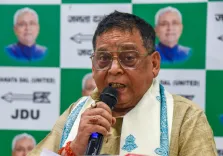
Giriraj Singh extends raw cotton import duty waiver to Dec 2026
Synopsis
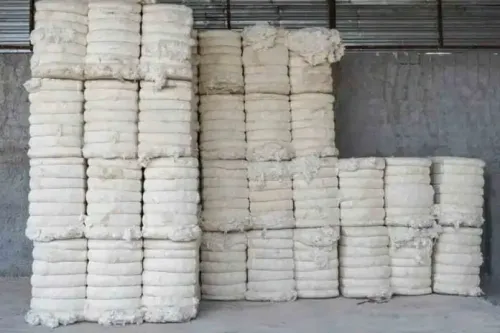
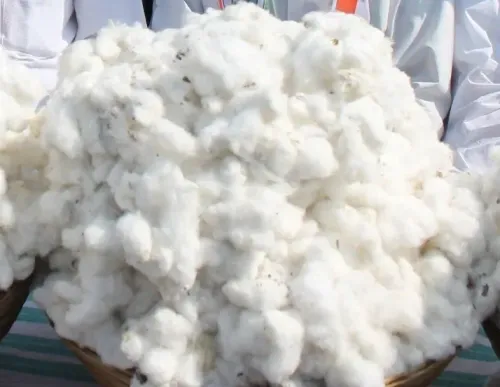
The central government has extended the import duty exemption on raw cotton by two months to 31 December 2026. Union Textiles Minister Giriraj Singh says the move will ease supply pressures on India's textile mills, weavers, MSME units, and garment exporters, strengthening India's position in global textile markets.
Key Takeaways
The central government has extended the raw cotton import duty exemption deadline from 31 October 2026 to 31 December 2026 .
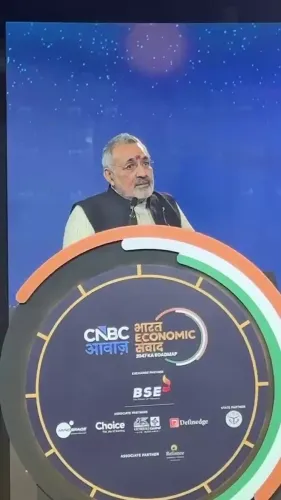
Union Textiles Minister Giriraj Singh announced the decision on 1 November 2026 .
The extension is aimed at ensuring uninterrupted raw material supply for India's textile and garment value chain.
Key beneficiaries include MSME textile units, handloom weavers, garment manufacturers, and textile exporters .
The move is framed as part of the Modi government's broader commitment to boosting India's share in global textile markets.
The next decision point arrives at end-December 2026, when the government will assess whether domestic cotton supply has recovered sufficiently.
Two months of breathing room — that is what India's textile and garment sector just received. Union Textiles Minister Giriraj Singh announced on Sunday, 1 November 2026 that the central government has extended the import duty exemption on raw cotton by two months, pushing the deadline from 31 October 2026 to 31 December 2026, giving mills, weavers, and exporters uninterrupted access to affordable raw material through the end of the year.
What the extension means for mills and weavers
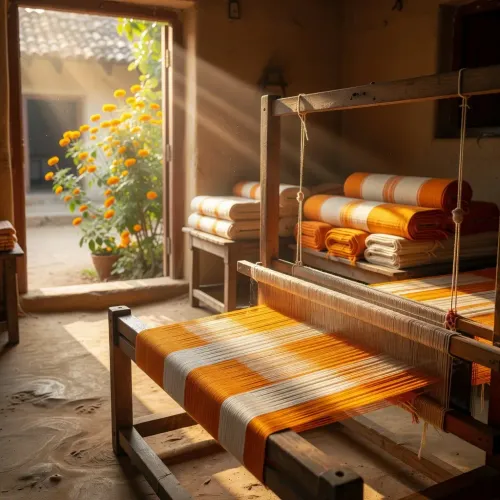
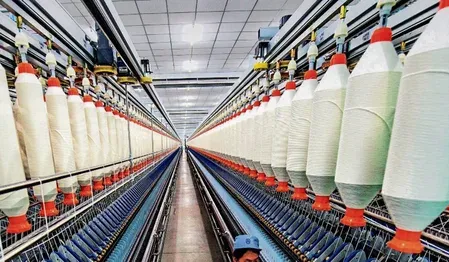
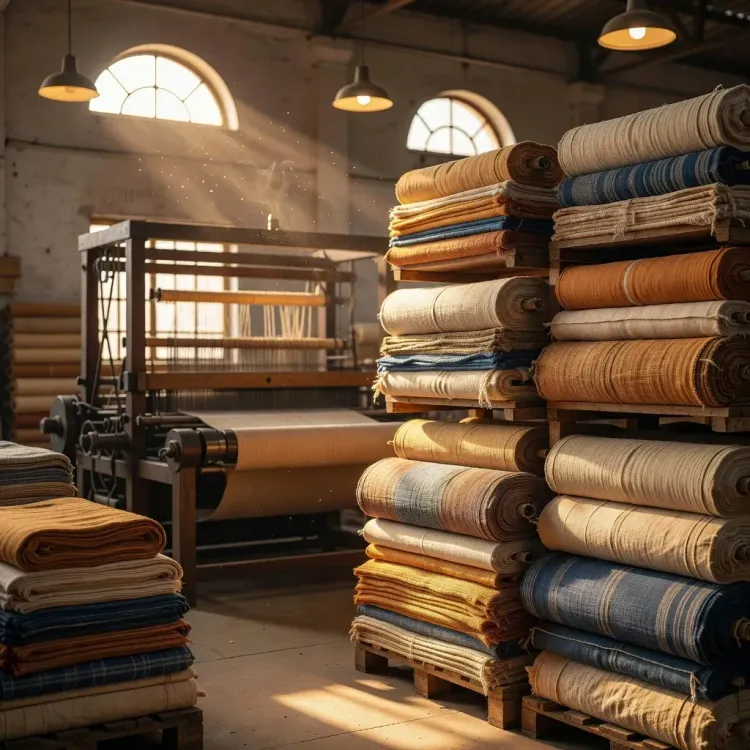
In his post, Giriraj Singh framed the decision squarely around supply certainty: the exemption ensures 'निर्बाध उपलब्धता' ('uninterrupted availability') of raw cotton for the domestic textile value chain. Without the waiver, import duty costs would feed directly into input prices — squeezing margins for MSME textile units, handloom weavers, garment manufacturers, and export houses that together form the backbone of one of India's largest manufacturing sectors. The extension buys them two critical months as the domestic crop cycle plays out.
The minister explicitly credited the move to the leadership of Prime Minister Narendra Modi, describing it as a signal of the government's commitment to the interests of the textile and garment industry, weavers, MSME units, and textile exporters. The underlying logic is straightforward: a stronger domestic textile sector is India's ticket to a larger share of the global apparel and fabric market.
A recurring policy lever with real stakes
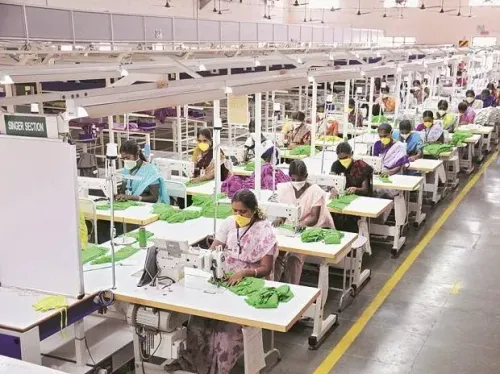
India has used import duty adjustments on raw cotton as a calibrated tool for years, stepping in whenever domestic supply tightens and factory-gate cotton prices threaten to undercut export competitiveness. The textile sector is among India's most employment-intensive industries, with millions of workers — disproportionately women in rural areas — dependent on its health. An uninterrupted raw-material supply chain is not a technical footnote; it is a livelihood question at scale.
The two-month window through December 2026 also aligns with the kharif cotton harvest arriving in markets. If domestic arrivals remain adequate, the government can let the exemption lapse naturally at year-end. If supply stays tight, another extension or a fresh duty notification becomes the next decision point.
What the sector — and the market — will watch next
The immediate effect will show up in raw cotton import volumes and yarn prices over November and December. Textile exporters competing with Bangladesh, Vietnam, and Turkey on global contracts will watch closely: every rupee saved on raw cotton input is margin that makes an Indian bid more competitive. The broader test arrives when the exemption window closes at year-end and the government must decide whether the domestic crop has recovered enough to stand without a duty shield.
A resilient textile sector, as Giriraj Singh noted, is India's clearest path to claiming a bigger seat at the global trade table. The extension keeps that path open — for now.
Point of View
It threads a needle between supporting domestic cotton farmers (who benefit from higher prices) and protecting the downstream textile value chain. The timing, announced by Giriraj Singh on the very day the previous exemption was set to lapse, signals that industry lobbying was heard but that the government prefers short, renewable windows over open-ended relief — keeping leverage to nudge the sector toward self-sufficiency. The real policy test is whether India uses this window to structurally close the raw-cotton supply gap, or simply defers the question to January 2027.
NationPress
1 Nov 2026
Frequently Asked Questions
What is the raw cotton import duty exemption extension announced by the government?
The central government has extended the zero-duty import exemption on raw cotton by two months, from the earlier deadline of 31 October 2026 to 31 December 2026 , to ensure uninterrupted supply for India's textile industry.
Who announced the raw cotton duty waiver extension?
Union Textiles Minister Giriraj Singh announced the extension on 1 November 2026 , attributing the decision to the leadership of Prime Minister Narendra Modi .
Who benefits from the raw cotton import duty exemption in India?
The primary beneficiaries are textile mills, MSME garment units, handloom weavers, and textile exporters who depend on affordable raw cotton as a key input in their production process.
Why does India import raw cotton despite being a major cotton producer?
Domestic cotton production can fluctuate due to weather and crop conditions. When local supply is tight, import duty relief allows the textile industry to source cotton from global markets without a significant cost spike, protecting jobs and export competitiveness.
What happens after the raw cotton duty exemption expires on 31 December 2026?
The government will assess domestic cotton arrivals and market prices. If supply remains adequate, the exemption may lapse. If shortages persist, a further extension or a fresh duty notification is likely — the decision will hinge on the kharif harvest performance.