Giriraj Singh Hails Assam Estate's Japanese-Style Matcha
Synopsis
Union Textiles Minister Giriraj Singh spotlighted an Assam estate's reported breakthrough as India's first commercial producer of Japanese-style matcha, signalling a push to diversify the country's tea sector into premium, health-focused global markets.
Key Takeaways
Union Textiles Minister Giriraj Singh shared the development on 4 July 2026 via the NaMo App, captioning it 'माचा हुई देसी' ('Matcha goes desi').
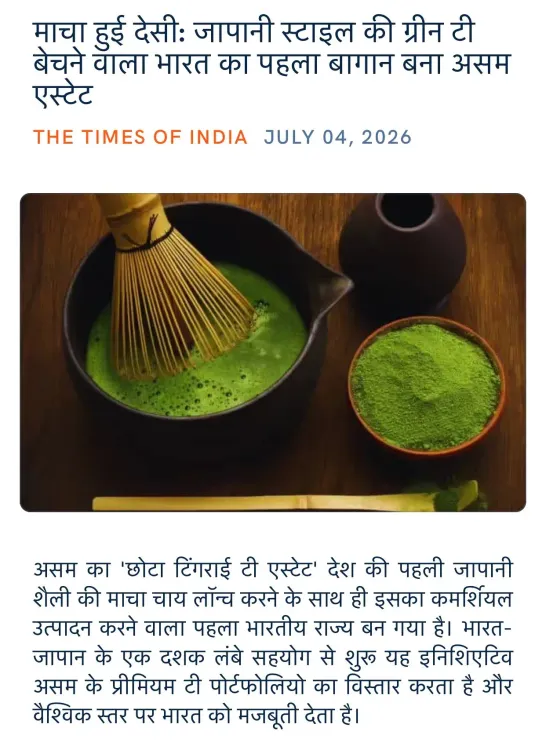
An Assam estate has reportedly become the first in India to commercially sell Japanese-style matcha green tea.
Assam tea received Geographical Indication protection in 2004 , though GI coverage has historically applied to the region's black tea varieties.
Matcha production requires shade-cultivation techniques that differ substantially from conventional Assam black tea farming.
The development places Indian producers in potential competition with established matcha exporters in Japan and China .
Industry watchers expect the Tea Board of India to consider new processing standards or export incentives for green tea and matcha variants.
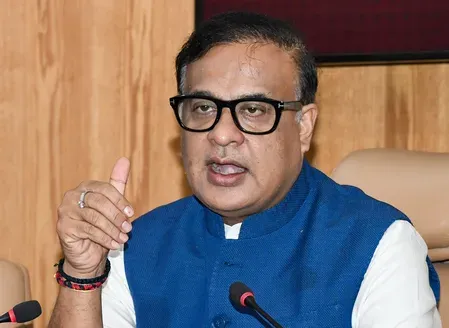
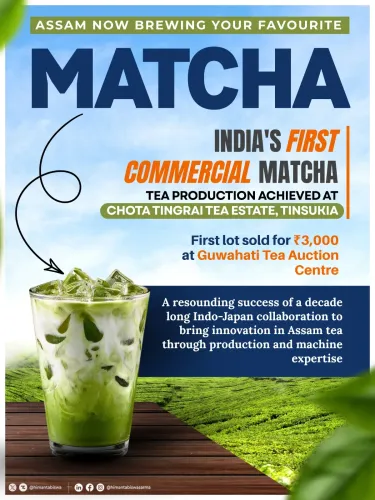
Union Textiles Minister Giriraj Singh on Saturday, 4 July 2026, shared news of a landmark development in India's tea sector — an Assam estate has reportedly become the first in the country to commercially sell Japanese-style matcha green tea, marking a significant step in the diversification of India's traditionally black-tea-dominated industry.
Context
The minister shared the story via the NaMo App, captioning it 'माचा हुई देसी' ('Matcha goes desi'), drawing attention to what he described as a historic first for Indian tea cultivation. The development signals growing ambition within India's tea sector to move beyond commodity-grade black tea and compete in the global premium and specialty beverage market.
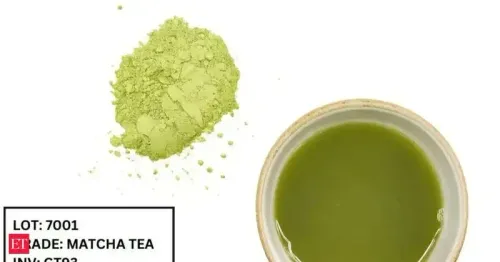
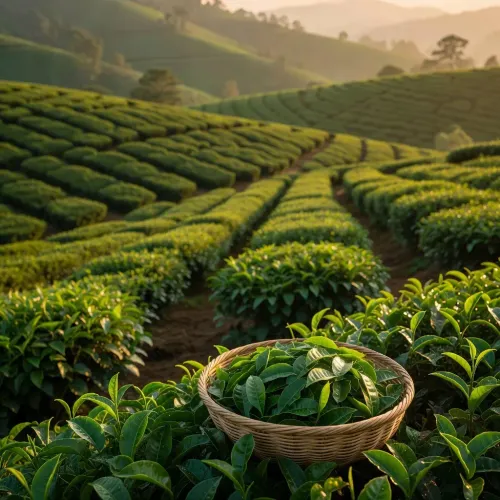
Matcha — a finely ground powder made from shade-grown green tea leaves — has long been associated with Japan and commands significantly higher prices than conventional tea on international markets. Its emergence from an Assam estate represents a notable departure from the region's century-old focus on orthodox and CTC black tea varieties.
Policy Backdrop
Assam tea received Geographical Indication (GI) protection in 2004, a recognition designed to safeguard its distinct identity and bolster exports. However, GI coverage has historically applied to the region's black tea, leaving the green and specialty segments relatively unexplored from a regulatory and promotional standpoint.
India's tea industry has for decades prioritised volume exports of black tea while global consumer preferences have shifted toward health-focused beverages, including green teas and matcha. The Tea Board of India has in recent years encouraged diversification efforts, but commercially viable Japanese-style matcha production from Indian estates has remained rare. This development, if borne out, would place Indian producers in direct competition with established matcha exporters in Japan and China.
Stakeholders and Impact
For Assam's tea growers and exporters, the move into matcha carries both opportunity and complexity. Matcha production requires specific agronomic practices — notably shade cultivation of tea bushes for several weeks before harvest — that differ substantially from conventional Assam tea farming. Successful adoption could allow estates to access premium pricing and health-conscious export markets in Europe, North America, and East Asia.
Broader agricultural export promotion efforts by the central government align with this kind of value-addition push. A shift toward specialty segments could improve per-kilogram realisation for growers and reduce the sector's dependence on volatile bulk black-tea prices, which have faced pressure from competing origins.
What's Next
Industry observers will watch for any formal response from the Tea Board of India on new processing standards, potential GI extensions, or dedicated export incentives for green tea and matcha variants from Indian estates. Minister Giriraj Singh's amplification of the development through official channels suggests the government views such diversification as consistent with its agricultural export promotion agenda.
If the Assam estate's matcha gains commercial traction in export markets, it could catalyse similar experiments across India's other tea-growing regions, potentially reshaping a segment of the country's agricultural export identity.
Frequently Asked Questions
Which Assam estate is India's first to sell Japanese-style matcha?
The estate has been reported as the first in India to commercially sell Japanese-style matcha green tea, though the specific estate name was not detailed in Minister Giriraj Singh's post. The claim remains subject to verification by the Tea Board of India.
What is matcha and how is it different from regular Assam tea?
Matcha is a finely ground powder made from shade-grown green tea leaves, traditionally associated with Japan. Unlike Assam's conventional black CTC or orthodox teas, matcha requires weeks of shade cultivation before harvest and a distinct processing method, commanding significantly higher prices in global markets.
Why did Textiles Minister Giriraj Singh share news about tea?
While Giriraj Singh's primary portfolio is textiles, he is a senior BJP leader who regularly uses social media to highlight developments in Indian agriculture and industry. Sharing the matcha story aligns with the government's broader push to promote Indian agricultural exports and value-addition.
Does Assam tea have Geographical Indication protection?
Yes. Assam tea received Geographical Indication (GI) protection in 2004 to safeguard its distinct identity and support exports. However, GI coverage has historically focused on Assam's black tea varieties rather than green tea or matcha segments.
Can Indian matcha compete with Japanese and Chinese matcha?
India's entry into matcha production is nascent, but Assam's established tea-growing infrastructure and competitive labour costs could allow it to target price-sensitive export markets. Competing with Japan's premium ceremonial matcha will require consistent quality, distinct branding, and potential GI or certification support.