Giriraj Singh: Tourism lifts villages, small-town livelihoods
Synopsis
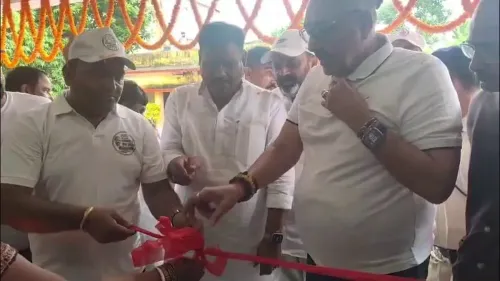
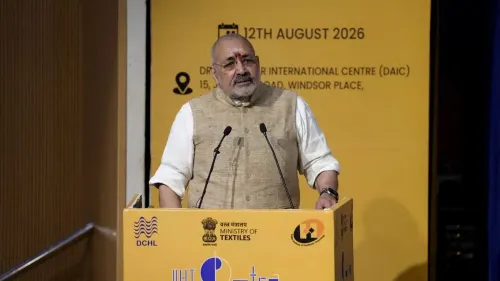
Union Textiles Minister Giriraj Singh on 27 September 2026 stressed that tourism development channels income to local artisans, shopkeepers and entrepreneurs, and reaffirmed the government's focus on expanding tourist infrastructure and connectivity to villages and smaller towns.
Key Takeaways
Union Textiles Minister Giriraj Singh posted on 27 September 2026 emphasising tourism as a livelihood tool for rural and small-town India.
He identified local shopkeepers, artisans, entrepreneurs and service-sector workers as the primary intended beneficiaries of tourism growth.
The government is 'continuously working' to expand tourist facilities and connectivity beyond metros into villages and smaller towns, he said.
The Swadesh Darshan scheme , launched in 2014-15 , provides the existing policy framework for developing theme-based tourist circuits linked to local livelihood creation.
Physical connectivity — roads, rail access, booking infrastructure — remains the critical variable determining whether rural tourism benefits actually reach local communities.
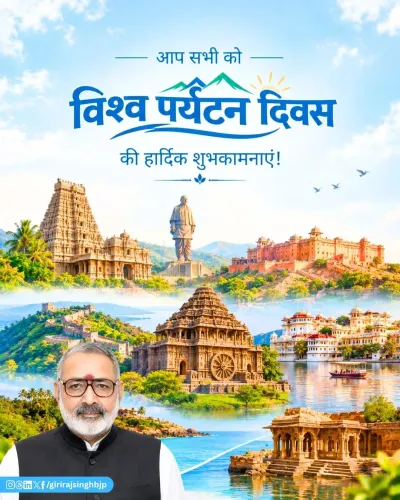
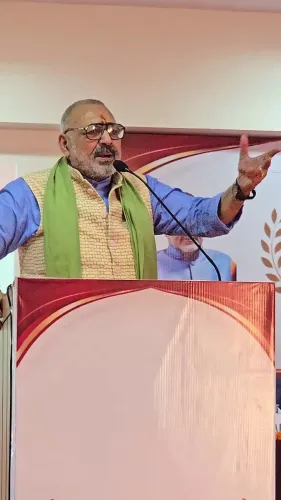
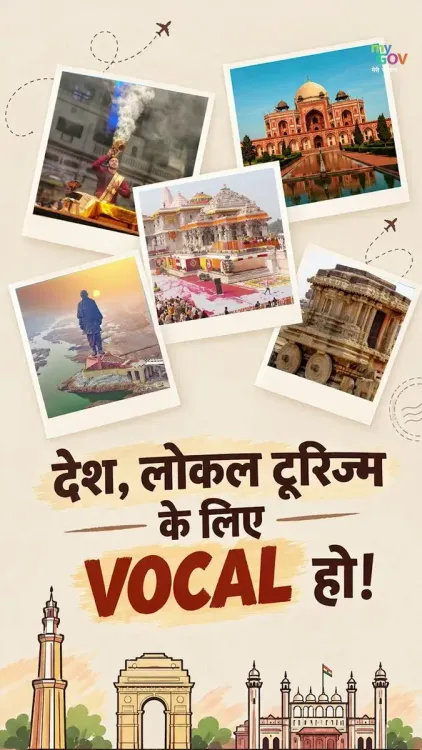
Every rupee a tourist spends at a village stall, a roadside dhaba, or a local craft shop is a rupee that bypasses the metro middleman — and that, Union Textiles Minister Giriraj Singh argued on Sunday, 27 September 2026, is precisely why the government keeps expanding tourism infrastructure and connectivity into India's smaller towns and rural hinterlands.
Posting on X in Hindi, the senior BJP leader and Lok Sabha MP from Begusarai, Bihar, wrote: 'पर्यटन विकास का ऐसा माध्यम है, जिससे स्थानीय दुकानदारों, कारीगरों, उद्यमियों और सेवा क्षेत्र से जुड़े लोगों तक कमाई के अवसर पहुंचते हैं।' ('Tourism is a medium of development through which earning opportunities reach local shopkeepers, artisans, entrepreneurs and people in the service sector.') He added that the government is 'continuously working' to extend these benefits to villages and small towns through better tourist facilities and connectivity.
Tourism as a rural income pipeline
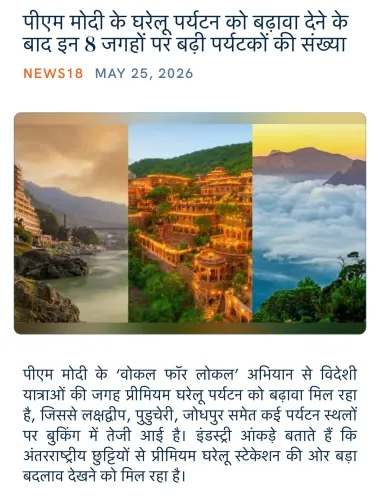
The logic Singh articulates is well-worn in development economics but harder to execute than it sounds. Tourism spending is unusually diffuse — it flows into accommodation, food, handicrafts, transport, and guiding, the very segments dominated by micro and small enterprises. When that spending reaches a heritage village or a pilgrimage town rather than a five-star resort in a metro, the multiplier effect on local incomes is significantly higher.
The central government has long sought to channel this effect through dedicated infrastructure schemes. The Swadesh Darshan scheme, launched in 2014-15, was designed precisely to build theme-based tourist circuits — Buddhist trails, tribal circuits, coastal routes — with an explicit mandate to catalyse local livelihoods alongside visitor infrastructure.
Artisans and small entrepreneurs: the intended beneficiaries
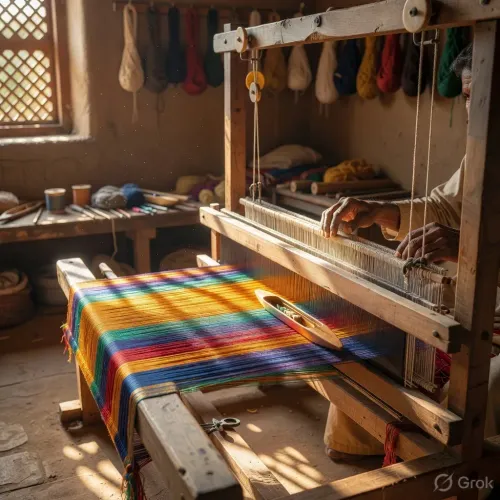
Singh's post singles out four groups: local shopkeepers, artisans, entrepreneurs, and service-sector workers. That framing is deliberate. Artisans — weavers, potters, woodcarvers — are among the most economically vulnerable in rural India, heavily dependent on in-person footfall that a tourist trail can reliably generate. A single well-connected tourist circuit can sustain craft clusters that no e-commerce platform has yet cracked at scale.
Connectivity is the linchpin. A heritage site with no reliable road link, rail service, or digital booking infrastructure stays off the tourist map regardless of its cultural richness. The government's dual push — improving physical access and expanding tourist amenities — is aimed at closing exactly that gap.
What the next Budget season will reveal
The proof of these ambitions lies in allocations. Progress on new tourist circuits and rural connectivity projects will face its sharpest test when the next Union Budget and tourism ministry updates spell out scheme-wise expenditure and completion timelines. Singh's post signals political intent; the numbers will tell the fuller story.
For India's artisans and village entrepreneurs, the question is simple: does the tourist bus actually stop here?
Point of View
Linking domestic tourism to the self-reliance agenda. Whether the rhetoric translates into measurable livelihood gains will depend on budget allocations and circuit-completion data in the months ahead.
NationPress
27 Sept 2026
Frequently Asked Questions
What did Giriraj Singh say about tourism and rural livelihoods?
On 27 September 2026, Giriraj Singh said tourism is a development medium that channels earning opportunities to local shopkeepers, artisans, entrepreneurs and service-sector workers, and that the government is continuously working to extend tourist facilities and connectivity to villages and small towns.
What is the Swadesh Darshan scheme?
Swadesh Darshan is a central government scheme launched in 2014-15 to develop theme-based tourist circuits — such as Buddhist trails, tribal circuits and coastal routes — with a focus on building infrastructure and generating livelihood benefits for local communities.
How does tourism benefit artisans and rural entrepreneurs in India?
Tourism spending is diffuse — it flows into handicrafts, food, accommodation, local transport and guiding — sectors dominated by small and micro enterprises. When tourists reach craft villages or pilgrimage towns, the income multiplier for artisans and local shops is significantly higher than in metro settings.
Why is connectivity important for rural tourism development in India?
Without reliable road links, rail access or digital booking infrastructure, even culturally rich heritage sites remain off the tourist map. Connectivity is the key variable that determines whether tourism income actually reaches rural artisans and small-town entrepreneurs.
What role does Giriraj Singh hold in the Union Cabinet?
Giriraj Singh is the Union Minister of Textiles, a senior BJP leader and Lok Sabha MP from Begusarai, Bihar.