Giriraj Singh visits Welspun World in Kutch, links industry to environment
Synopsis
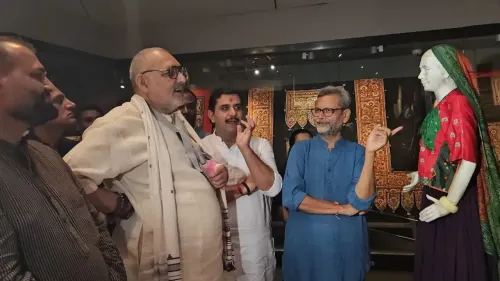
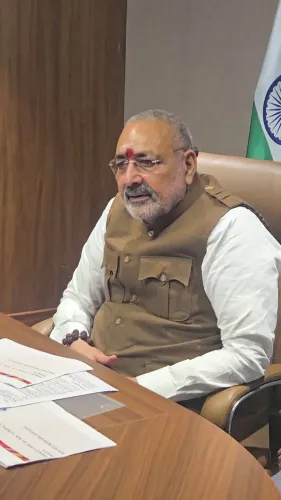
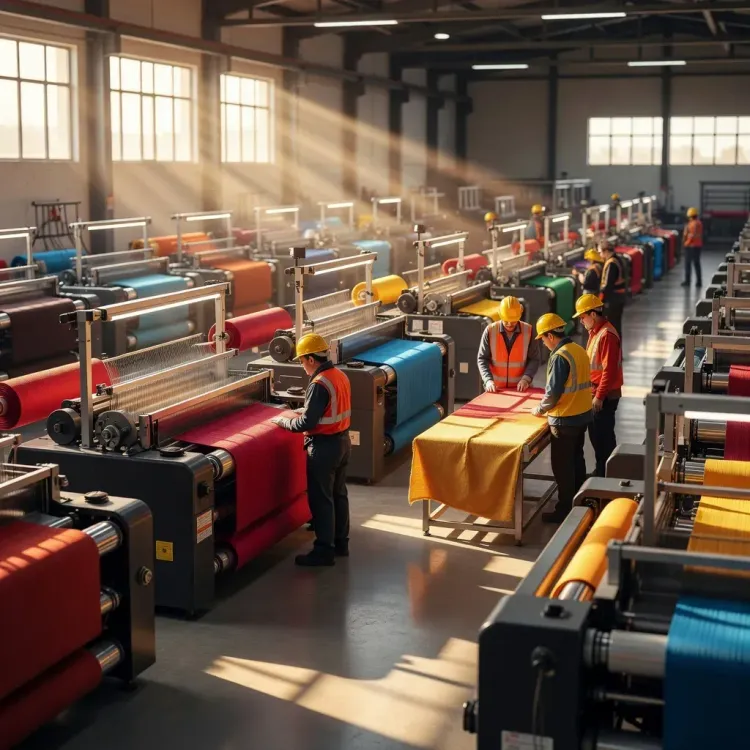
Union Textiles Minister Giriraj Singh visited Welspun World's facility in Kutch, Gujarat on 15 November 2026 and stated that industrial development and environmental protection must go hand in hand to achieve the Viksit Bharat 2047 vision.
Key Takeaways
Union Textiles Minister Giriraj Singh visited Welspun World in Kutch, Gujarat on 15 November 2026 .
He stated that industrial development and environmental protection must advance together to achieve Viksit Bharat , India's vision for a developed nation by 2047 .
Welspun World is one of India's largest home-textile manufacturers with a major campus in Kutch .
The textile sector is water-intensive, making environmental safeguards a practical concern, not merely symbolic.
The Viksit Bharat vision was articulated by Prime Minister Narendra Modi in 2023 , targeting full development by India's centenary of Independence.
Specific policy commitments or norms emerging from the visit are yet to be formalised.
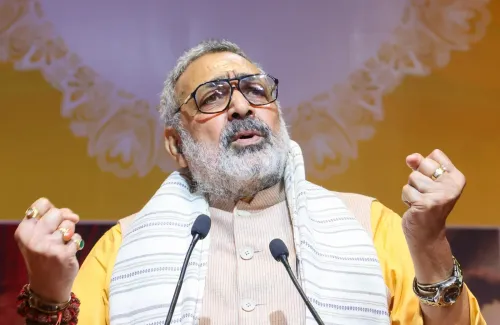
Industry and ecology are not rivals — they are co-pilots on India's road to 2047. Union Textiles Minister Giriraj Singh made exactly that point during a visit to Welspun World's facility in Kutch, Gujarat, on Sunday, 15 November 2026, underlining that industrial growth and environmental protection must advance together to fulfil the Viksit Bharat vision.
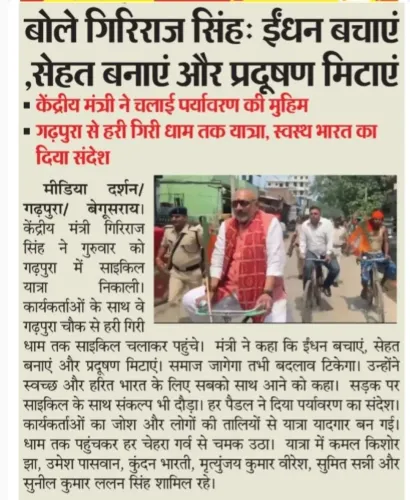
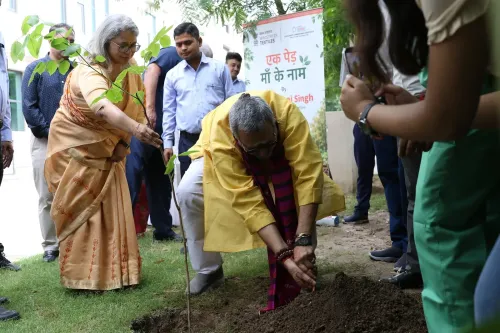
Posting on X, the minister said: 'To fulfil the vision of a Developed India, it is very important that industrial development and environmental protection go hand in hand.' The statement came directly from the shop floor of one of India's most recognisable textile conglomerates — giving the message a weight that a press-room declaration rarely carries.
Why Welspun World in Kutch matters for this message
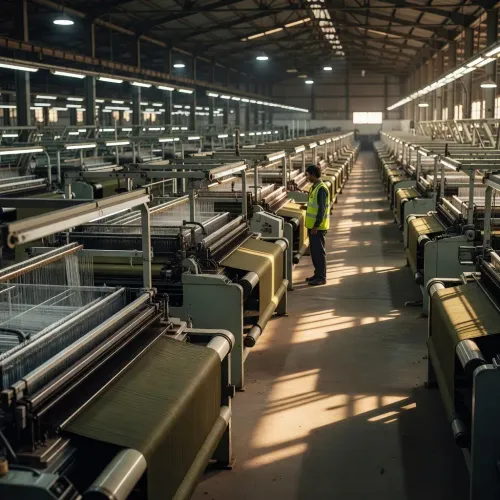
Welspun World is among India's largest home-textile manufacturers, and its Kutch campus sits at the heart of a region that has reinvented itself as a major industrial corridor. Gujarat has spent more than a decade positioning Kutch as a showcase for large-scale, land-efficient manufacturing — making it a natural stage for a minister wanting to demonstrate that big industry and sustainability can share the same address.
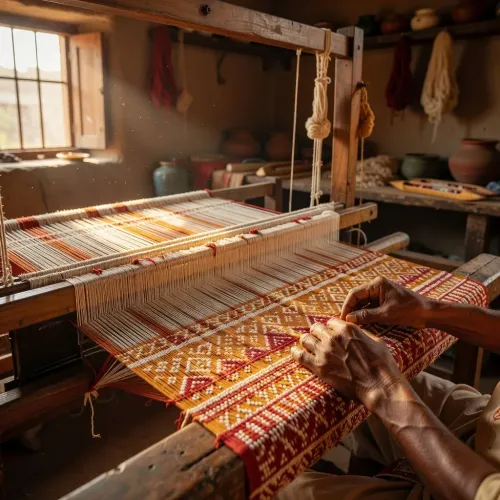
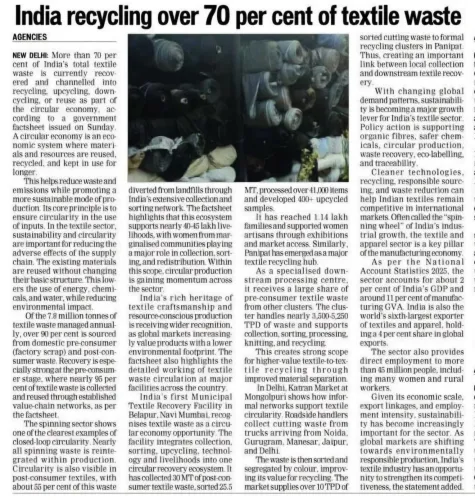
The textile sector is water-intensive and chemical-heavy, which makes the environmental piece of this equation far from symbolic. Fabric dyeing, processing, and finishing generate effluent loads that have drawn regulatory attention across Indian industrial clusters. A Textiles Minister walking through a leading facility and flagging the green imperative sends a signal to the entire supply chain.
Viksit Bharat's industrial-green balancing act
Prime Minister Narendra Modi framed the Viksit Bharat target — a fully developed India by 2047, the centenary of Independence — in 2023. Since then, sectoral ministries have been expected to map their own roadmaps to that vision. For textiles, one of India's largest employment generators, the challenge is to scale output dramatically while tightening environmental norms — a tension that Singh's on-site statement directly acknowledges.
Indian policy has increasingly stitched manufacturing growth targets together with environmental safeguards, particularly in water-intensive industries. The minister's framing — that the two must 'go hand in hand' — aligns with that broader direction, though specific follow-up norms or commitments from this visit remain to be formalised.
What industry and watchdogs will now look for
The real test of Sunday's visit will be whether it precedes concrete regulatory or incentive moves: tighter effluent norms for textile clusters, green-certification schemes, or expanded funding under existing production-linked frameworks. Kutch and Gujarat's textile stakeholders — from large integrated players like Welspun to smaller processing units — will be watching for follow-through. So will environmental groups that have long argued that India's industrial ambition needs enforceable green guardrails, not just ministerial endorsements.
A Textiles Minister on the factory floor, speaking the language of both growth and ecology, is a data point. The policy documents that follow will tell us whether it is also a turning point.
Point of View
The harder ask will be translating this visit into measurable green-compliance benchmarks for a sector that has historically resisted regulatory tightening on effluent and water use. Watching whether this visit is followed by rule-making, or remains a photo-op, will reveal the real policy intent.
NationPress
15 Nov 2026
Frequently Asked Questions
Why did Giriraj Singh visit Welspun World in Kutch?
Union Textiles Minister Giriraj Singh visited Welspun World's facility in Kutch, Gujarat on 15 November 2026 to survey the operations of one of India's leading textile manufacturers and to emphasise the need to balance industrial growth with environmental protection as part of the Viksit Bharat 2047 vision.
What is Viksit Bharat and how does it relate to the textile sector?
Viksit Bharat is Prime Minister Narendra Modi's vision, articulated in 2023, for India to become a fully developed nation by 2047 — the centenary of Independence. For the textile sector, it means scaling output significantly while tightening environmental safeguards, especially given how water-intensive and chemical-heavy textile production is.
What is Welspun World?
Welspun World is one of India's largest home-textile and apparel manufacturers, with significant operations in Kutch, Gujarat, known for its integrated production capacity in areas such as towels, bed linen, and flooring.
What did Giriraj Singh say at Welspun World in Kutch?
Giriraj Singh said that to fulfil the vision of a Developed India, industrial development and environmental protection must go hand in hand — a statement he made directly at the Welspun World facility during his visit.
What policy actions could follow the minister's Kutch visit?
Policy watchers will look for follow-up moves such as stricter effluent norms for textile clusters, green-certification or incentive schemes, or expanded production-linked support tied to environmental compliance. No specific commitments from this visit have been formalised yet.