UCC in Assam: Akhil Gogoi warns law enables state surveillance of private lives
Synopsis
Raijor Dal MLA Akhil Gogoi has accused Assam's proposed Uniform Civil Code of being a surveillance apparatus in disguise — one that would let bureaucrats monitor how citizens live their private lives. Invoking Supreme Court privacy rulings, he has demanded withdrawal of the provisions, drawing a sharp new front in Assam's UCC debate.
Key Takeaways
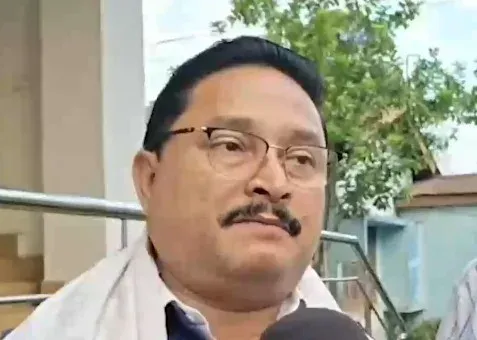
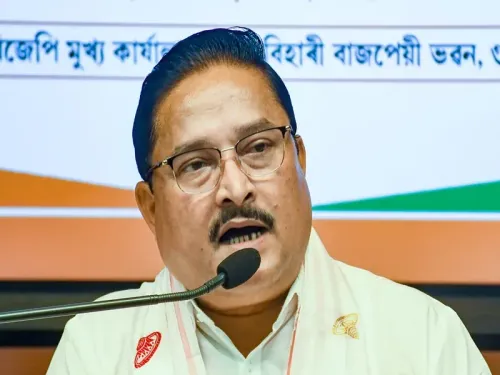
Raijor Dal president and Sivasagar MLA Akhil Gogoi on 27 May 2025 publicly attacked the Assam government's proposed Uniform Civil Code (UCC) .
Gogoi alleged the draft law would create a bureaucratic mechanism to monitor citizens' private relationships and lifestyles , amounting to “continuous surveillance.” He cited Supreme Court rulings on the right to privacy, arguing that neither Parliament nor state assemblies can legally intrude into private life in this manner.
The BJP -led government of Chief Minister Himanta Biswa Sarma was accused of using state machinery to impose excessive control over citizens.
Gogoi demanded withdrawal of the controversial provisions, calling the draft an “attack on personal liberty.” Assam's UCC push follows Uttarakhand , which enacted its own UCC in 2024 , as states move ahead independently of a central code.
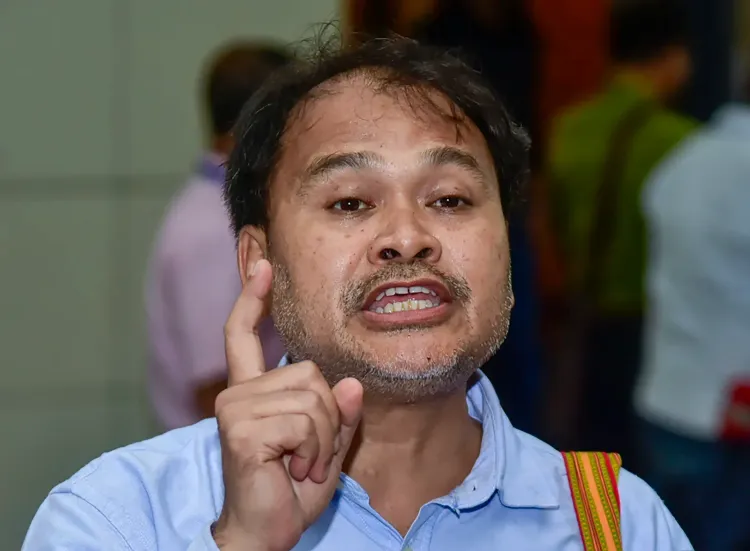
Raijor Dal president and Sivasagar MLA Akhil Gogoi on Wednesday, 27 May launched a sharp broadside against the Assam government over its proposed Uniform Civil Code (UCC), alleging that the draft legislation would institutionalise state surveillance of citizens' private lives and amount to a direct assault on constitutional freedoms.
What Gogoi Alleged
Addressing reporters in Guwahati, Gogoi claimed the proposed UCC would empower bureaucrats and law enforcement agencies to monitor personal relationships, intimate lifestyles, and private conduct. “This bureaucracy will spy on you — how you live and how you conduct your personal life. There will be continuous surveillance over private matters. How can this be accepted in a democratic society?” he said.
The Raijor Dal leader further alleged that the mechanism envisaged under the draft law would allow government agencies to intrude into domains that have traditionally been considered personal and beyond the state's reach.
Constitutional and Supreme Court Arguments
Gogoi invoked the Constitution and cited repeated observations by the Supreme Court on the right to privacy to buttress his critique. “What does the Constitution say, and what has the Supreme Court repeatedly stated? The Supreme Court has made it clear time and again that Parliament or state assemblies cannot interfere in private life in such a manner,” he argued.
He described the proposed provisions as a violation of the spirit of the Constitution, pointing to the landmark privacy jurisprudence that has evolved through successive Supreme Court rulings over the past decade.
Attack on the BJP-Led Government
Targeting the Bharatiya Janata Party (BJP)-led Assam government headed by Chief Minister Himanta Biswa Sarma, Gogoi alleged that the administration was attempting to exercise excessive control over citizens through state machinery. He specifically raised the spectre of “moral policing”, questioning whether police officials and bureaucrats would begin scrutinising how people conduct their relationships and personal lives.
Calling the draft legislation an “attack on personal liberty”, Gogoi demanded the withdrawal of the controversial provisions, asserting that citizens in a democracy must be free from state interference in their private affairs.
Context and Background
The Assam UCC debate has intensified in recent months as the state government has signalled intent to move ahead with its own version of the code, separate from the national conversation around a central UCC. Assam would join Uttarakhand — which enacted its UCC in 2024 — as one of the few states to pursue the legislation independently.
Critics across civil society and opposition parties have raised concerns about the scope of the proposed Assam draft, particularly around provisions that they argue could enable administrative overreach. Notably, this is not the first time Gogoi — a former RTI activist and anti-corruption campaigner — has positioned himself as a constitutional watchdog against what he terms majoritarian governance in Assam.
What Happens Next
The Assam government has not yet formally tabled the UCC draft in the state assembly, and the timeline for legislative action remains unclear. Opposition pressure and civil society scrutiny are likely to intensify as details of the draft provisions enter the public domain. How the Sarma government responds to the privacy and surveillance critique will be closely watched by legal experts and rights groups alike.
Point of View
Where the BJP holds the initiative, to privacy and state overreach, where constitutional ground is firmer for the opposition. The Supreme Court's 2017 Puttaswamy ruling did establish privacy as a fundamental right, giving his argument genuine legal weight. But the Assam government has yet to release the full draft publicly, which means both the critique and the defence are operating in a partial information vacuum. The real test will come when the text is tabled: whether the provisions Gogoi describes actually exist as alleged, or whether this is pre-emptive political positioning ahead of a contentious legislative session.
NationPress
16 Sept 2026
Frequently Asked Questions
What is Akhil Gogoi's objection to the Assam UCC?
Akhil Gogoi alleges that the proposed Uniform Civil Code in Assam contains provisions that would allow bureaucrats and police to monitor citizens' private relationships and lifestyles, amounting to institutionalised state surveillance. He has called this an attack on personal liberty and demanded the withdrawal of those provisions.
What does the Supreme Court say about privacy and state interference?
The Supreme Court, most notably in its landmark 2017 Puttaswamy judgment, established the right to privacy as a fundamental right under the Indian Constitution. Gogoi cited these rulings to argue that neither Parliament nor state assemblies can legally interfere in citizens' private lives in the manner he alleges the Assam UCC would permit.
Which government is pushing the Assam UCC?
The Uniform Civil Code in Assam is being pursued by the BJP-led state government headed by Chief Minister Himanta Biswa Sarma. Assam would be among the first states after Uttarakhand — which enacted its UCC in 2024 — to implement such a code independently.
Has the Assam UCC been tabled in the assembly yet?
As of 27 May 2025, the Assam government had not formally tabled the UCC draft in the state assembly, and the timeline for legislative action remains unclear. The full text of the draft has not been made public, making independent verification of the specific provisions cited by critics difficult.