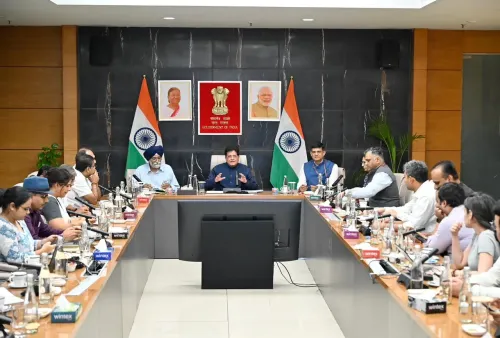
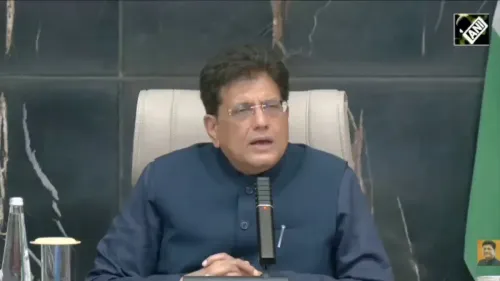
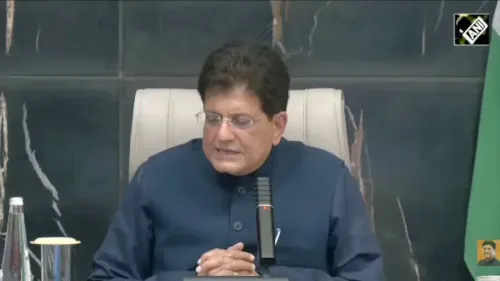
Piyush Goyal Launches BHAVYA Scheme Guidelines to Boost Industrial Growth
Synopsis
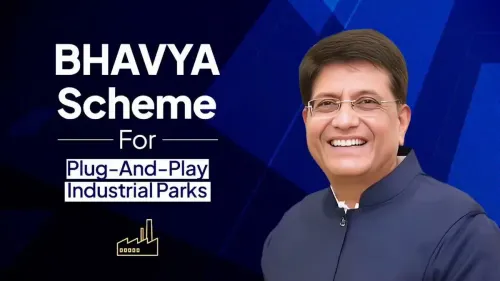
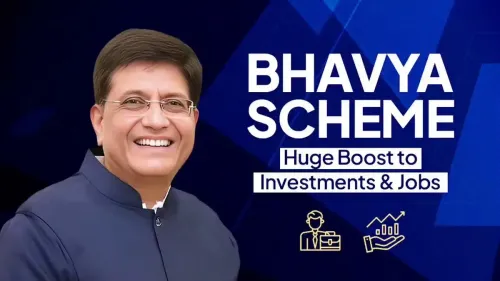
Union Commerce and Industry Minister Piyush Goyal on 23 May 2026 launched the guidelines for the Bharat Audyogik Vikas Yojna (BHAVYA) scheme, the latest in a series of centrally-sponsored measures aimed at boosting India's Ease of Doing Business and accelerating industrial investment.
Key Takeaways
Union Commerce and Industry Minister Piyush Goyal launched the guidelines for the Bharat Audyogik Vikas Yojna (BHAVYA) scheme on 23 May 2026 .
The scheme is designed to further strengthen India's Ease of Doing Business framework and promote industrial development.
The launch continues a reform trajectory begun in 2014 under the Make in India programme linking industrial policy with global business-environment rankings.
Primary stakeholders include Indian manufacturers, investors, and state industrial development bodies who will implement the scheme.
State-level adoption of the guidelines and the scheme's financial outlay in the next Union Budget will be key markers to watch.
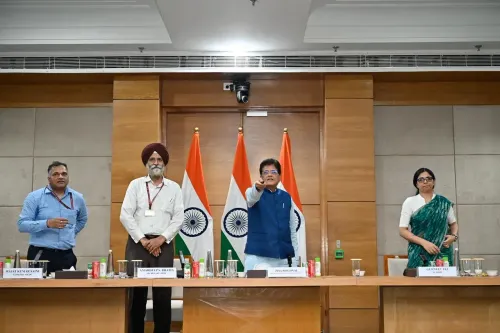
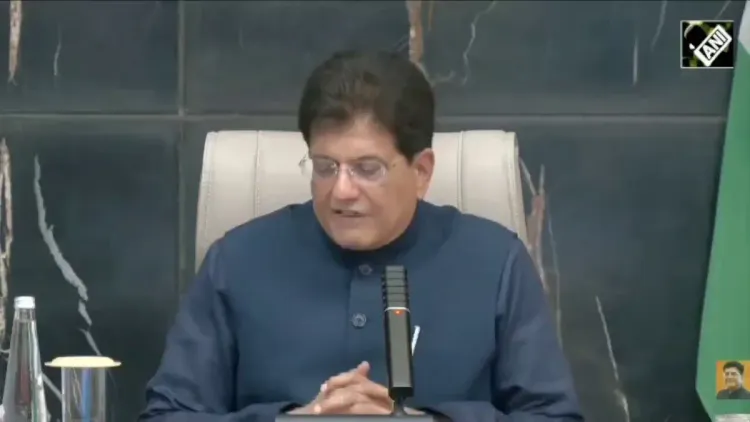
Union Commerce and Industry Minister Piyush Goyal on Saturday, 23 May 2026, announced the launch of guidelines for the Bharat Audyogik Vikas Yojna (BHAVYA) scheme, framing it as a significant step to further strengthen India's Ease of Doing Business framework.
Context
Posting on X, Minister Goyal stated: 'To further boost Ease of Doing Business, the guidelines for the Bharat Audyogik Vikas Yojna (BHAVYA) scheme are being launched today.' The announcement positions BHAVYA as a fresh policy instrument under the Ministry of Commerce and Industry aimed at accelerating industrial development across the country.
The scheme's name — Bharat Audyogik Vikas Yojna — translates broadly as 'India Industrial Development Scheme,' underscoring its alignment with the government's broader manufacturing and investment promotion agenda.
Policy Backdrop
The launch fits squarely within a reform trajectory that the Government of India has pursued since 2014, when the Make in India programme explicitly linked industrial policy to improving the country's standing in global business-environment assessments. Over successive years, hundreds of redundant regulations have been repealed or amended, and online single-window clearance systems have been introduced to reduce compliance burdens on industry.
Union budgets and foreign-trade policies during this period have consistently framed centrally-sponsored schemes as instruments to raise India's share in global value chains. BHAVYA continues that pattern by combining, as the ministry's communication indicates, financial incentives with regulatory simplification to attract manufacturing investment.
The Ministry of Commerce and Industry is the nodal body responsible for formulating India's foreign-trade policy and domestic industrial promotion measures, giving it direct authority over the design and rollout of such schemes.
Stakeholders and Impact
The primary beneficiaries identified by the government's broader industrial policy framework include Indian manufacturers, domestic and foreign investors, and state industrial development bodies that serve as implementation partners for centrally-sponsored schemes.
By releasing formal guidelines, the ministry provides states and industry with a regulatory roadmap — a step that practitioners and investment bodies have long flagged as essential for converting policy intent into on-ground investment decisions. Clear guidelines reduce interpretive ambiguity and allow companies to plan capital allocation with greater certainty.
Smaller manufacturers and MSMEs, who are disproportionately affected by procedural complexity, stand to benefit if the scheme's guidelines meaningfully reduce compliance steps and processing timelines.
What's Next
Attention will now turn to state-level adoption of the BHAVYA guidelines, since the success of centrally-sponsored industrial schemes typically depends on how swiftly state governments integrate them into their own investment-promotion frameworks.
Analysts and industry bodies will also watch for the release of detailed financial outlays in the next Union Budget, which would indicate the scale of central support earmarked for the scheme. Any subsequent revision in India's ranking or sub-national reform scores in international business-climate assessments will be seen as an early indicator of the scheme's effectiveness.
With Minister Goyal serving as Leader of the House in the Rajya Sabha, the guidelines are also likely to face legislative scrutiny, and industry consultations are expected to follow the formal launch.
Point of View
The government is reinforcing continuity of purpose while attempting to inject fresh momentum into industrial investment. The choice to announce via a ministerial post — with Goyal simultaneously holding the Leader of the House position in the Rajya Sabha — suggests the scheme is being positioned for legislative and public visibility simultaneously. Whether BHAVYA translates into measurable reform outcomes will depend heavily on state buy-in and the financial muscle attached to it in the budget.
NationPress
7 Oct 2026
Frequently Asked Questions
What is the BHAVYA scheme launched by Piyush Goyal?
BHAVYA stands for Bharat Audyogik Vikas Yojna, an industrial development scheme whose guidelines were launched by Union Commerce and Industry Minister Piyush Goyal on 23 May 2026 to boost India's Ease of Doing Business.
What does BHAVYA stand for in the new government scheme?
BHAVYA stands for Bharat Audyogik Vikas Yojna, which broadly translates to 'India Industrial Development Scheme,' reflecting its focus on accelerating manufacturing and industrial investment across the country.
How does BHAVYA relate to Make in India and Ease of Doing Business?
BHAVYA is part of a sustained reform agenda that began with the Make in India programme in 2014, which linked industrial policy to improving India's global business-environment rankings and reducing regulatory burdens on manufacturers.
Who will benefit from the BHAVYA scheme?
The primary beneficiaries include Indian manufacturers, domestic and foreign investors, and state industrial development bodies, with MSMEs expected to gain from reduced procedural complexity if the guidelines are effectively implemented.
What should we watch for after the BHAVYA scheme guidelines launch?
Key developments to monitor include state-level adoption of the guidelines, the financial outlay for BHAVYA in the next Union Budget, and any change in India's rankings in international business-climate assessments.