Gujarat minister Jitu Vaghani brings Gir cows home, starts natural farming kitchen garden
Synopsis
Gujarat's Agriculture Minister Jitu Vaghani has turned his official Gandhinagar residence into a live demonstration of the state's natural farming push — housing two Gir cows and two calves from a Porbandar gaushala and growing tomatoes, bottle gourds and papayas with Jeevamrut. Governor Acharya Devvrat personally visited, performed cow worship and offered guidance, underlining how the campaign has moved from farm outreach to ministerial lifestyle.
Key Takeaways
Jitu Vaghani , Gujarat's Agriculture and Animal Husbandry Minister, has brought two Gir cows and two female calves to his official residence in Gandhinagar .
The animals were sourced from Bala Hanuman Gaushala in Porbandar , run by Ketan Gajjar .
A kitchen garden using Jeevamrut — made from cow dung and cow urine — grows tomatoes, bottle gourds and papayas at the residence.
Governor Acharya Devvrat visited, performed traditional cow worship, and offered guidance on cattle care and breeding.
The initiative was inspired by PM Narendra Modi's practice of keeping cows at his Delhi home and aligns with CM Bhupendra Patel's natural farming agenda.
Gujarat Agriculture and Animal Husbandry Minister Jitu Vaghani has brought two indigenous Gir cows and two female calves to his official residence in Gandhinagar, where he has simultaneously developed a kitchen garden using cow dung and cow urine-based natural farming inputs. The initiative, launched at the start of the Gujarati New Year following Diwali, draws direct inspiration from Prime Minister Narendra Modi's practice of keeping cows at his Delhi residence and Governor Acharya Devvrat's ongoing campaign to promote indigenous cattle conservation and chemical-free agriculture across Gujarat.
Where the Cattle Came From
The four animals — two cows and two calves — were brought from Bala Hanuman Gaushala in Porbandar, run by Ketan Gajjar. The gaushala is known for its work in preserving the Gir breed, one of India's most prized indigenous dairy cattle, native to the Saurashtra region of Gujarat. Detailed arrangements have been made at the minister's residence for their upkeep, including a well-ventilated shelter, open movement space, seasonal fans and lighting, and an automatic water tank that refills as the water level drops.
Governor Devvrat's Visit and Guidance
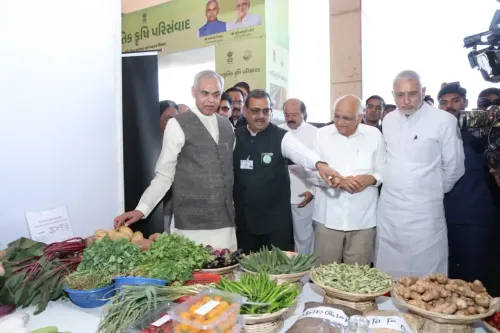
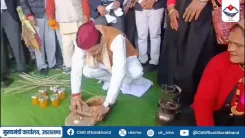
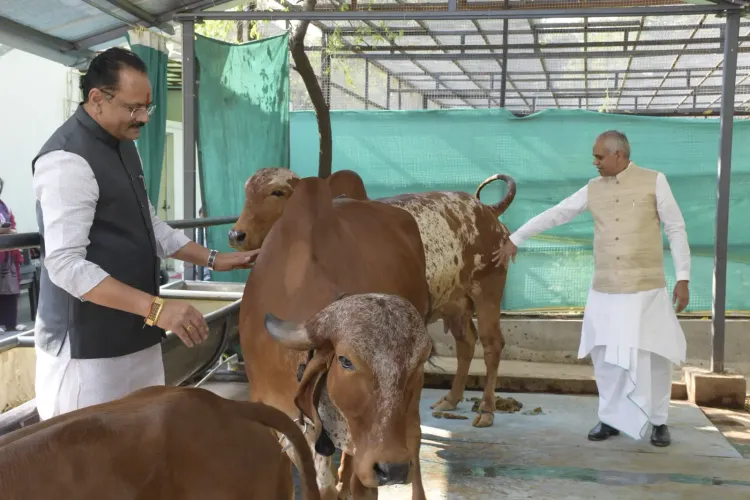
Governor Acharya Devvrat visited Vaghani's residence and performed traditional worship of the Gir cows, offering them fodder. He also guided the minister on cattle care, nutrition, and scientific methods of indigenous breed conservation and breeding. Devvrat, who has been travelling across Gujarat to encourage farmers to adopt natural farming and conserve indigenous cattle, inspected the kitchen garden as well and offered suggestions for its further development. 'Such initiatives undertaken by public representatives spread a positive message in society about environmental protection and a healthy lifestyle,' the Governor said.
What the Kitchen Garden Grows
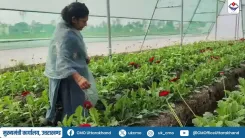
Vegetables including tomatoes and bottle gourds, as well as fruits such as papayas, have been cultivated at the residence using Jeevamrut — a bio-stimulant preparation made from cow dung and cow urine. The garden is part of Vaghani's effort to demonstrate that natural farming inputs can be produced at home by any household that keeps indigenous cattle. The minister's animals also receive regular health check-ups and vaccinations, according to the arrangements put in place.
Fit Within Gujarat's Broader Natural Farming Push
The move aligns with the state government's expanding natural farming agenda, anchored in Chief Minister Bhupendra Patel's emphasis on chemical-free agriculture and PM Modi's broader call for a return to traditional farming practices. Gujarat has been one of the more active states in mainstreaming natural farming, in part due to Governor Devvrat's high-visibility advocacy. Notably, the initiative at a minister's official residence lifts the message beyond the farm belt and into the urban-administrative sphere, where public representatives can model the practice for a wider audience. As more officials adopt visible symbols of indigenous cattle conservation, the state's campaign appears set to gain additional momentum ahead of the upcoming agricultural season.
Point of View
Not just from rural farmers. Governor Devvrat's personal visit and blessing elevates the symbolism further, lending institutional weight to what could otherwise read as a personal lifestyle choice. The question worth tracking is whether this translates into measurable uptake of natural farming among Gujarat's small and marginal farmers, who face genuine input-cost constraints that a minister's well-staffed residence does not. If the campaign stays at the level of optics, it risks becoming a recurring photo opportunity rather than a replicable model.
NationPress
17 Nov 2026
Frequently Asked Questions
Why did Gujarat minister Jitu Vaghani bring Gir cows to his official residence?
Vaghani brought two Gir cows and two female calves to his Gandhinagar residence to personally adopt indigenous cattle conservation and natural farming practices, inspired by PM Modi's example of keeping cows at his Delhi home and Governor Devvrat's ongoing campaign across Gujarat.
Where did the Gir cows come from?
The four animals were sourced from Bala Hanuman Gaushala in Porbandar, Gujarat, which is run by Ketan Gajjar and is known for preserving the indigenous Gir breed.
What is Jeevamrut and how is it used in the kitchen garden?
Jeevamrut is a natural bio-stimulant prepared from cow dung and cow urine, used as a soil conditioner and fertiliser. At Vaghani's residence, it has been used to cultivate tomatoes, bottle gourds and papayas without chemical inputs.
What role did Governor Acharya Devvrat play in the initiative?
Governor Devvrat visited Vaghani's residence, performed traditional worship of the Gir cows, offered them fodder, and guided the minister on cattle care, nutrition and scientific conservation methods. He also inspected the kitchen garden and suggested improvements.
How does this fit into Gujarat's broader natural farming push?
The initiative aligns with Chief Minister Bhupendra Patel's emphasis on chemical-free agriculture and PM Modi's call for a return to traditional farming practices. Governor Devvrat has been campaigning across Gujarat to encourage farmers to adopt natural farming and conserve indigenous cattle, and Vaghani's move extends that message to the state's administrative class.